Do dogs get motion sickness and it’s more common than most owners realize. Whether your dog whines from the driveway or vomits before you’ve left the neighborhood, dog travel sickness is a real and treatable condition. Understanding why it happens and what you can do about it can turn car rides from a stressful ordeal into something your dog actually tolerates or even enjoys.
Why Dogs Get Motion Sickness
Motion sickness in dogs works a lot like it does in humans. The inner ear, which controls balance, sends signals to the brain. When those signals don’t match what the eyes are seeing a moving world from inside a still-feeling vehicle the brain gets confused. The result? Nausea.
Puppies and young dogs are especially prone to this. Their inner ear structures aren’t fully developed, which is why so many owners notice the problem early on and then watch it improve as the dog matures. That said, plenty of adult dogs can dogs get car sick too especially if their first experiences in a car were unpleasant.
There’s also a learned component. If your dog got sick on early car trips, their brain may associate the car with nausea even before the vehicle starts moving. Stress alone can trigger the same physical symptoms as true vestibular motion sickness. The two often feed each other.
Table of Contents
Dog Motion Sickness Symptoms to Watch For
Recognizing the signs early gives you a better chance to intervene. Dog motion sickness symptoms don’t always start with vomiting in fact, vomiting is often the last thing that happens.
Watch for:
- Excessive yawning – a stress signal dogs use before nausea sets in
- Drooling more than usual – one of the earliest physical signs
- Lip licking or swallowing repeatedly – nausea behavior
- Whining or restlessness – shifting, circling, unable to settle
- Looking anxious or frozen still – some dogs go very quiet when nauseated
- Vomiting – dog vomiting in car often happens after the above signs are ignored
- Diarrhea – less common, but possible in severe cases
- Lethargy after the trip – your dog may seem “off” for an hour or two after arriving
If your dog shows several of these signs consistently on car trips, motion sickness is the likely cause. Keep in mind that dog anxiety in car can produce identical symptoms – and the two conditions often overlap.
What Causes Dog Car Sickness
Several factors can make one dog more prone to dog car sickness than another.
Age plays a big role. Puppies under a year old have underdeveloped inner ears, making them far more susceptible. Many naturally grow out of it by 12–18 months.
Seating position matters. Dogs facing backward or sideways get more disorienting visual input. Dogs in crates or confined spaces also experience more physical motion without being able to brace against it.
Previous bad experiences are a huge factor. If your dog’s early car trips ended at the vet’s office, they may now associate cars with fear – which feeds right back into physical symptoms.
Overeating before travel makes things worse. A full stomach is harder to settle during motion.
Lack of ventilation amplifies nausea. Hot, stuffy cars with strong smells – air fresheners, food, leather – can push a borderline-okay dog into full nausea quickly.
Breed and individual sensitivity vary. There’s no breed that’s completely immune, though dogs bred for work in vehicles (like some herding dogs) may adapt more easily over time.

How to Help a Dog With Car Sickness
If your dog is struggling, you have several practical options – and most of them work well in combination.
Adjust feeding before trips. Withhold food for 3–4 hours before any car journey. A light stomach is much easier to manage.
Improve the environment. Crack the windows a few inches to keep air moving. Keep the car cool. Put your dog in a spot where they can see forward the front footwell or a secured front-facing position in the back seat.
Try short, positive trips first. If your dog dreads the car, start with 5-minute drives to somewhere fun a park, a friend’s yard. You’re retraining the association.
Use calming tools. Anxiety wraps, calming chews (look for ones with L-theanine or melatonin), and familiar bedding in the car can reduce the anxiety piece that makes physical symptoms worse.
Ask your vet about motion sickness medicine for dogs. This is where things get genuinely effective. Veterinarians commonly recommend or prescribe:
- Cerenia (maropitant citrate) the only FDA-approved motion sickness medicine for dogs. It works on the vomiting center in the brain, not just the stomach. Given the night before or morning of travel, it’s highly effective.
- Diphenhydramine (Benadryl) available over the counter, but the dose needs to match your dog’s weight. It causes drowsiness, which can help but isn’t ideal for longer trips.
- Prescription sedatives or anti-anxiety medications for dogs with severe anxiety-driven car sickness, your vet may suggest something like trazodone or gabapentin.
Never give your dog human motion sickness medications like Dramamine without checking with your vet first. Some formulations contain xylitol or other additives that are toxic to dogs.
Preventing Dog Car Sickness Long-Term
Preventing dog car sickness over time is about gradually changing how your dog feels about travel not just managing symptoms on the day.
Start young if you can. Puppies that have positive early car experiences are much less likely to develop chronic travel sickness. Short, fun trips from the start make a real difference.
For adult dogs with established issues, a desensitization program works well. Spend time in a parked car with your dog, just playing or feeding treats. Then short drives. Then longer ones. Pair every trip with something good at the end a walk, a game, a meal.
Consistent setup helps too. Use the same carrier or seat position each time. Familiar surroundings your dog’s own blanket, a worn t-shirt of yours can reduce anxiety enough to lower the physical response.
When to See a Vet
Most motion sickness is manageable at home or with over-the-counter support, but some situations warrant a vet visit:
- Vomiting on every single car trip, even short ones, without improvement
- Diarrhea or blood in vomit after car travel
- Signs of distress that don’t resolve within an hour of arriving at your destination
- Symptoms that appear outside of car trips this may point to an inner ear disorder, vestibular disease, or another health issue unrelated to travel
- Failure to respond to home remedies after consistent effort
If you want to try prescription motion sickness medicine for dogs, your vet can assess your dog’s overall health and recommend the right option. Cerenia, for example, requires a prescription and works best given well before travel begins.
Frequently Asked Questions
Do dogs get motion sickness the same way humans do? Yes, the underlying mechanism is very similar. The inner ear sends conflicting signals to the brain, causing nausea. Young dogs are particularly prone to it, just like children in humans.
What are the first signs of dog travel sickness? Drooling, yawning, and repeated lip-licking usually show up before vomiting. If you notice these early, pull over, let your dog walk briefly, and allow fresh air before continuing.
Why is my dog vomiting in the car even on short trips? Short trips can still trigger full nausea, especially in dogs with anxiety or inner ear sensitivity. The stress of confinement and motion can kick off the response within minutes.
What’s the best motion sickness medicine for dogs? Cerenia (maropitant) is the most effective and is specifically approved for dogs. Diphenhydramine is a common over-the-counter option. Always confirm the correct dose with your vet.
How do I manage dog anxiety in car without medication? Anxiety wraps, calming supplements (L-theanine, melatonin), keeping the car cool and ventilated, and short positive training trips all help reduce anxiety-driven car sickness.
Can I use Dramamine for dog car sickness? Some formulations of Dramamine are used for dogs, but the active ingredient and dosing need to match. Some versions contain xylitol, which is toxic to dogs. Always check with your vet before using any human medication.
Will my puppy grow out of motion sickness? Many puppies do especially if they have regular positive car experiences. The inner ear matures fully around 12–18 months, and travel tolerance often improves significantly around that time.
Are some dogs more prone to preventing dog car sickness than others? There’s no clear breed pattern, but individual temperament plays a big role. Anxious dogs and dogs with sensitive vestibular systems tend to struggle more. Dogs that have been desensitized to car travel from a young age generally fare best.
The Bottom Line
Dog car sickness is common, well-understood, and very manageable. Most dogs improve with small changes to how you prepare for trips adjusting feeding times, improving ventilation, and reducing anxiety with short positive outings. For dogs who need more support, vets have effective prescription options that make a real difference.
The key is not to normalize your dog’s suffering. If every car trip ends in vomiting or hours of stress, that’s worth addressing and there are real solutions available.
For more on keeping your dog comfortable and healthy during travel and everyday life, check out
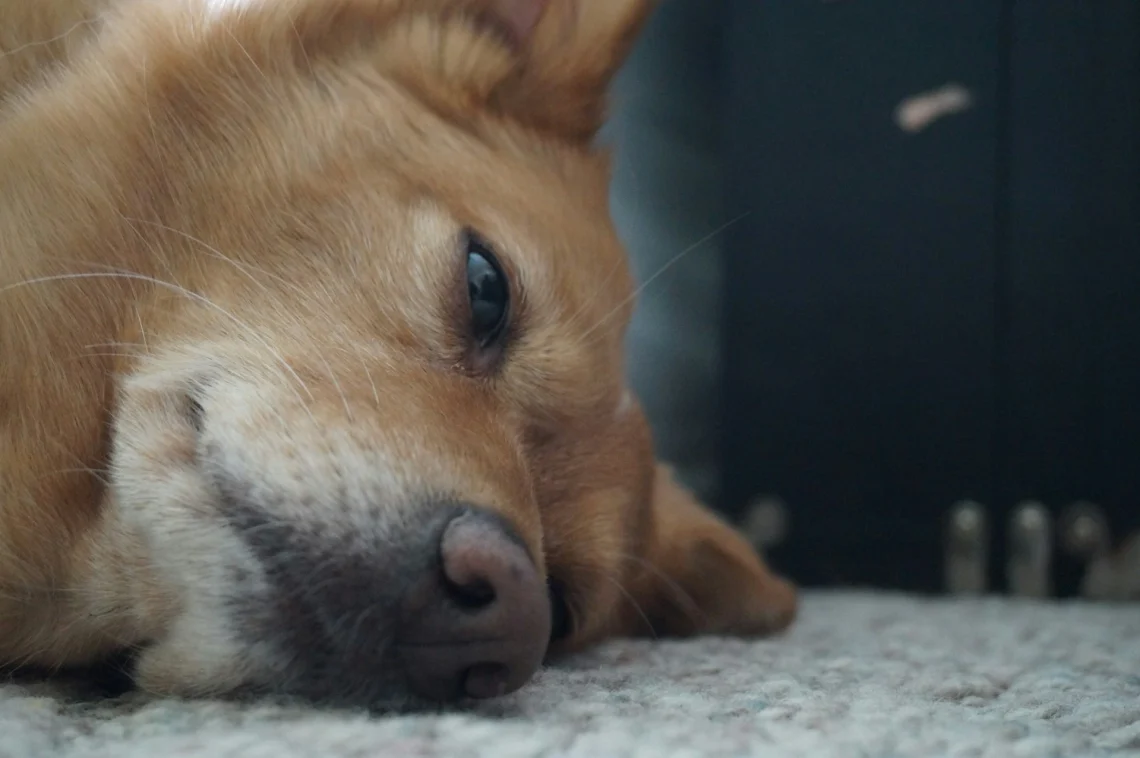
Photo by Peyton Clough on Unsplash
Zingi is a digital content creator and pet enthusiast with a passion for helping animal lovers make smarter, more informed decisions. With hands-on experience researching dog breeds, pet care routines, and tech products, Zingi writes guides that cut through the noise and focus on what actually matters for everyday pet owners and tech users.