If you’ve ever noticed white flakes on your dog’s coat or bedding, you might be wondering can dogs get dandruff? The short answer is yes. Just like humans, dogs can develop dandruff, and while it’s often a minor cosmetic issue, it can sometimes signal an underlying health concern worth addressing. In this guide, we’ll break down everything you need to know about dog dandruff, including why your dog has dandruff, what causes dog dry skin flakes, and how to treat and prevent the condition.
Table of Contents
What Is Dog Dandruff?
Dog dandruff refers to the shedding of dead skin cells from your dog’s skin, appearing as white or grayish flakes in the fur or on surfaces your dog frequents. The medical term for dandruff is seborrhea, and it can occur in two forms:
- Seborrhea sicca – dry dandruff, characterized by flaky, dry skin
- Seborrhea oleosa – oily dandruff, where the skin appears greasy with clumped flakes
Both types can cause discomfort and, in some cases, itchiness. Understanding which type your dog has can help guide treatment choices.
Can Dogs Get Dandruff? Yes, Here’s Why
So why does my dog have dandruff? There are several potential causes, ranging from environmental factors to medical conditions. Identifying the root cause is the first step toward effective treatment.
1. Dry Environmental Conditions
One of the most common causes of dog dry skin flakes is low humidity particularly in winter months when indoor heating strips moisture from the air. Dogs with naturally dry skin are especially susceptible. If you notice dandruff flares seasonally, your environment is likely a contributing factor.
2. Poor Nutrition
Diet plays a critical role in skin health. A deficiency in essential fatty acids (especially omega-3 and omega-6), vitamins A and E, or zinc can lead to a dull coat and flaky skin. Low-quality dog foods or grain-heavy diets lacking in bioavailable nutrients are often to blame.
3. Allergies
Allergies are a major reason why dogs develop dandruff. These can be:
- Environmental allergies – pollen, mold, dust mites
- Food allergies – reactions to ingredients like chicken, beef, dairy, or wheat
- Contact allergies – sensitivity to cleaning products, fabrics, or grooming products
Allergic reactions often manifest as skin irritation, itching, and dog dry skin flakes.
4. Parasites
Certain parasites can cause a specific type of dandruff called Cheyletiellosis, colloquially known as “walking dandruff” because the mites themselves move through the fur, mimicking dandruff. Cheyletiella mites, fleas, and lice can all trigger skin flaking and intense itching.
5. Fungal or Bacterial Infections
Skin infections caused by bacteria (like Staphylococcus) or yeast (like Malassezia) can disrupt the normal skin barrier, leading to flaking, redness, and odor. These conditions typically require veterinary diagnosis and treatment.
6. Hormonal Imbalances
Hormonal disorders such as hypothyroidism or Cushing’s disease can affect the health of your dog’s skin and coat. Dogs with these conditions often develop secondary skin issues, including dandruff, along with other symptoms like weight gain, hair loss, and lethargy.
7. Obesity
Overweight dogs often struggle to groom themselves properly, particularly in areas like the base of the tail and lower back. Poor self-grooming leads to a buildup of dead skin cells and oil, contributing to dandruff.
8. Genetics
Some breeds are genetically predisposed to seborrhea, including American Cocker Spaniels, Basset Hounds, West Highland White Terriers, and Labrador Retrievers. In these breeds, dandruff may be a lifelong management challenge rather than a one-time issue.
Symptoms to Watch For
Dandruff in dogs is usually easy to spot, but it can come with other signs that point to the underlying cause:
- White or gray flakes in the coat or on furniture
- Dry, flaky, or scaly patches of skin
- Redness or inflammation
- Excessive scratching, biting, or licking
- Dull, brittle coat
- Oily or foul-smelling skin
- Hair loss in affected areas
If your dog’s dandruff is accompanied by significant itching, hair loss, skin lesions, or behavioral changes, consult your veterinarian for a proper diagnosis.
How to Treat Dog Dandruff
Treatment for dandruff in dogs depends on the underlying cause. Here are the most common and effective approaches:
Medicated Shampoos
Veterinary-formulated shampoos containing ingredients like selenium sulfide, benzoyl peroxide, salicylic acid, or ketoconazole can help control flaking and treat underlying infections. Use as directed typically every 1–2 weeks and always rinse thoroughly.
Dietary Changes and Supplements
Switching to a high-quality, protein-rich dog food with added omega-3 and omega-6 fatty acids can dramatically improve skin health. Fish oil supplements are widely recommended for dogs with dry, flaky skin. Always consult your vet before adding supplements to your dog’s diet.
Moisturizing Sprays and Conditioners
Leave-in conditioners and pet-safe moisturizing sprays can provide immediate relief for dry skin. Look for products formulated specifically for dogs, avoiding human products that may contain harmful ingredients.
Regular Grooming
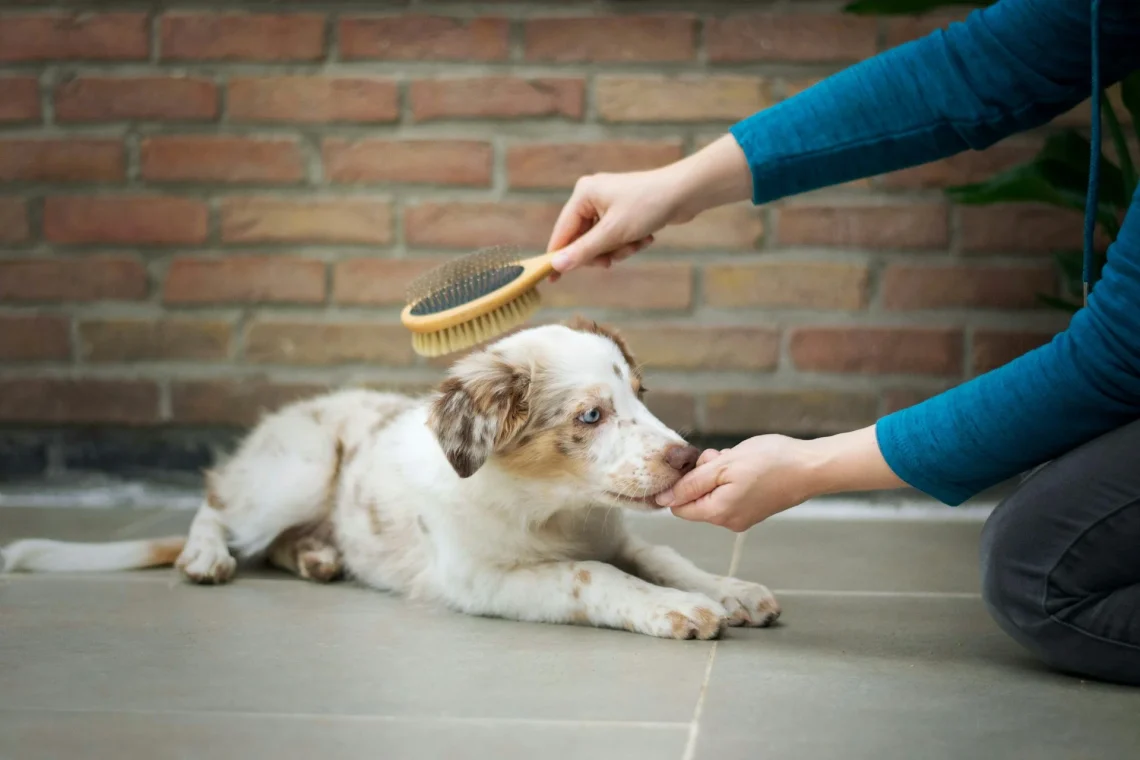
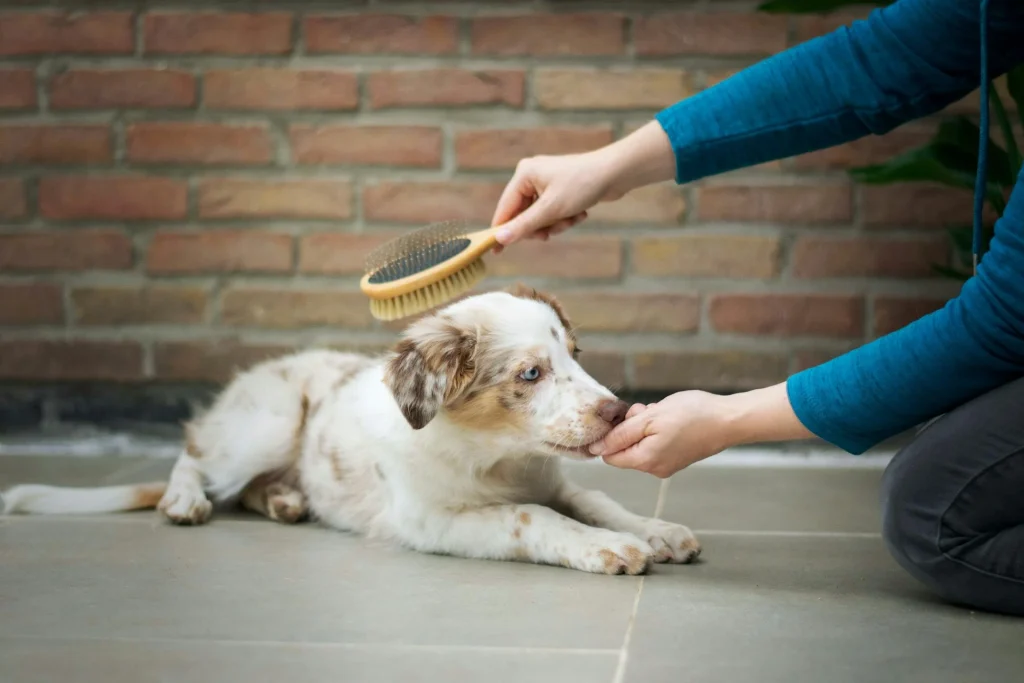
Regular brushing distributes natural skin oils throughout the coat, prevents buildup of dead skin cells, and improves circulation. Aim for brushing at least a few times per week, or daily for long-haired breeds.
Addressing Parasites
If parasites are the cause, your vet will recommend appropriate antiparasitic treatments such as topical spot-ons, medicated shampoos, or oral medications.
Veterinary Treatment for Underlying Conditions
For dandruff caused by hormonal disorders, allergies, or infections, treating the root condition is essential. Your vet may prescribe antibiotics, antifungals, allergy medications, or hormone therapy depending on the diagnosis.
How to Prevent Dog Dandruff
Prevention is always better than cure. Here’s how to keep your dog’s skin healthy and reduce the risk of dandruff:
- Feed a balanced diet rich in omega fatty acids and high-quality protein
- Keep your dog hydrated fresh water daily supports skin moisture
- Use a humidifier in dry climates or during winter months
- Bathe regularly but not excessively over-bathing strips natural oils; once every 4–6 weeks is typically sufficient for most breeds
- Maintain a consistent grooming routine including brushing and coat checks
- Schedule regular vet visits to catch early signs of skin or systemic health issues
- Use gentle, dog-safe grooming products to avoid skin irritation
When to See a Vet
While mild dandruff is often manageable at home, you should see a veterinarian if:
- Dandruff is persistent despite home treatment
- You notice hair loss, sores, or skin thickening
- Your dog seems uncomfortable or is scratching excessively
- Dandruff appeared suddenly alongside other symptoms
A vet can run skin scrapes, blood panels, or allergy tests to pinpoint the exact cause and recommend a targeted treatment plan.
Final Thoughts
Can dogs get dandruff? Absolutely and it’s more common than many pet owners realize. Whether it’s caused by dry air, dietary gaps, allergies, or something more complex, dog dandruff is a manageable condition with the right care. By understanding why your dog has dandruff and addressing dog dry skin flakes at the source, you can keep your pup comfortable, healthy, and flake-free.
When in doubt, always consult your veterinarian. Your dog’s skin is a window into their overall health and a little attention goes a long way.

Zingi is a digital content creator and pet enthusiast with a passion for helping animal lovers make smarter, more informed decisions. With hands-on experience researching dog breeds, pet care routines, and tech products, Zingi writes guides that cut through the noise and focus on what actually matters for everyday pet owners and tech users.