Can dogs get headaches and while we can’t ask them directly, veterinary research and behavioral observation strongly suggest they experience head pain in ways that parallel human headaches. If your dog seems off, keeps pressing his head against the wall, or squints more than usual, that’s worth paying attention to.
This matters because head pain in dogs can signal something minor like allergies or muscle tension or something more serious, like high blood pressure or a neurological issue. Knowing what to look for helps you act early and avoid unnecessary worry.
Table of Contents
Do Dogs Actually Experience Head Pain?
Dogs have the same basic brain structures and pain-processing pathways that humans do. They produce the same neurotransmitters, including serotonin, which plays a role in migraine-like episodes in people. Veterinary neurologists generally agree that dogs can experience pain originating in or around the head including pressure, throbbing sensations, and sensitivity to light or touch.
We can’t confirm a headache with words. But we can observe behavior. Dogs communicate pain through posture, movement, and changes in their normal routine. A dog that suddenly avoids light, doesn’t want his head touched, or presses his forehead against cool surfaces is telling you something even if he can’t say what.
The honest answer is this: we don’t have a definitive test for canine headaches. What we do have is a growing body of veterinary observation suggesting that dogs experience head discomfort in ways that look and behave like what we’d call a headache.
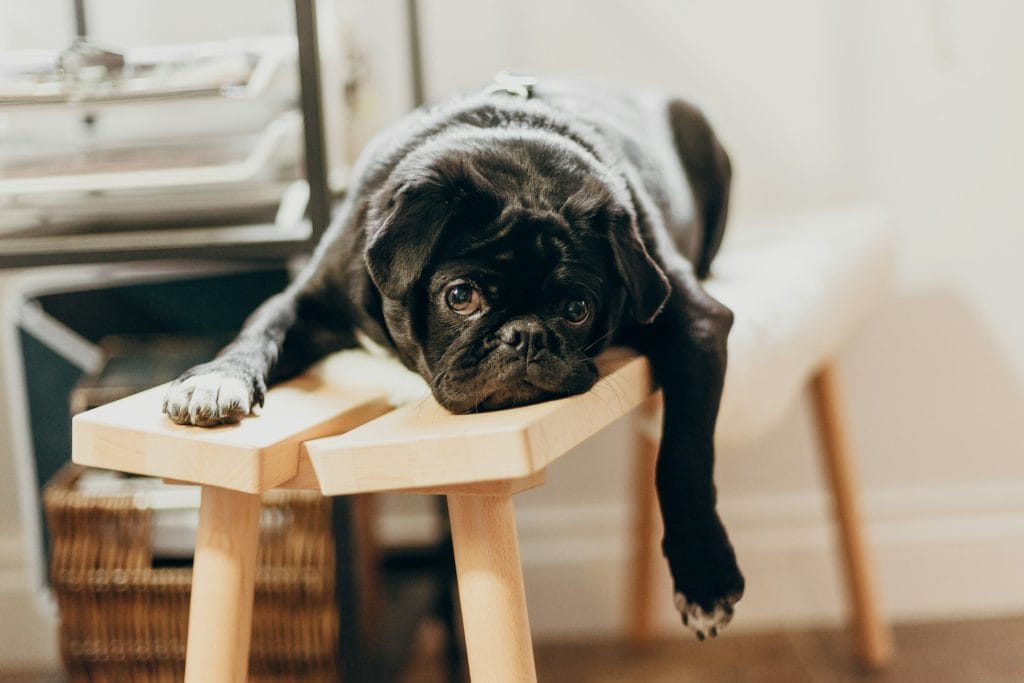
Dog Head Pain Signs to Watch For
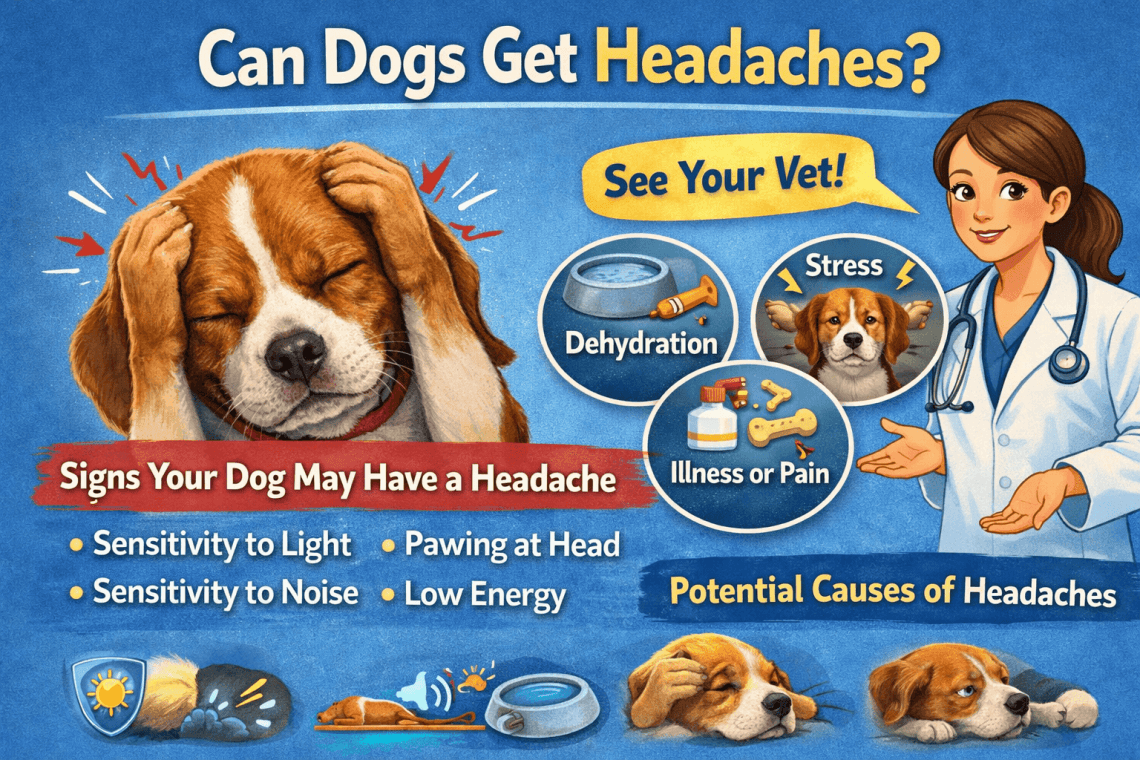
The tricky part is that dog head pain signs overlap with signs of other conditions. So rather than diagnosing a headache, you’re looking for a cluster of behaviors that, together, suggest your dog’s head hurts.
Watch for these signs:
- Head pressing pushing the forehead against a wall, floor, or furniture (this one is serious and needs prompt vet attention)
- Squinting or sensitivity to light avoiding bright rooms or windows
- Reduced eye contact dogs in pain often look away or hold their gaze low
- Reluctance to be touched around the head or neck
- Yawning excessively or licking lips repeatedly general pain signals
- Withdrawn behavior less interested in play, greeting, or food
- Holding the head lower than usual
- Vocalizing whimpering or groaning when moving the head
These are signs of headache in dogs in the broadest sense. Some are also signs of dental pain, ear infection, or eye problems which is why context matters. Did this come on suddenly? Is it after exercise? After a stressful event? These details help your vet narrow things down.
Why Is My Dog Rubbing His Head?
If your dog keeps rubbing his head on the carpet, furniture, or against your legs, the first thought is usually allergies or an ear issue and often that’s right. But repeated head rubbing can also signal head pain or discomfort the dog is trying to self-soothe.
Common causes of head pain and rubbing behavior in dogs include:
Sinus congestion or allergies Seasonal allergies cause pressure around the eyes and sinuses. Dogs with allergies often rub their faces and may seem more irritable than usual.
Ear infections Infections in the ear canal can cause significant pain that radiates into the head. You’ll often also see head shaking, a bad smell, or dark discharge.
Dental pain Tooth root abscesses are more common in dogs than most owners realize. The roots of upper teeth sit close to the sinuses and can cause pain that feels like it’s coming from the head.
High blood pressure (hypertension) Elevated blood pressure in dogs often linked to kidney disease or thyroid issues can cause headache-like symptoms including head pressing, disorientation, and apparent eye pain.
Tension from muscle strain Dogs that sleep in awkward positions, wear tight collars, or pull hard on leashes can develop neck and shoulder muscle tension that refers pain upward.
Head trauma Any impact to the head from a fall, a collision with a hard surface, or rough play can cause swelling and pain. This is an emergency situation.
Dog Head Sensitivity: What to Do at Home
If your dog shows mild signs of head discomfort a little more withdrawn than usual, not keen on head pats, a bit squinty here’s what you can do before calling the vet:
1. Give them a quiet space Dim the lights, reduce noise, and let your dog rest undisturbed. If bright light is bothering them, they’ll naturally move somewhere darker.
2. Check for obvious physical causes Look at the ears (smell, discharge, redness), mouth (swollen gums, obvious broken teeth), and eyes (cloudiness, discharge, uneven pupils).
3. Remove the collar temporarily A tight or heavy collar can put pressure on the neck and head. Switch to a harness if your dog shows persistent head sensitivity.
4. Avoid giving human pain medication This deserves emphasis: ibuprofen, aspirin, and acetaminophen are all toxic to dogs. Do not give them anything from your medicine cabinet without explicit vet guidance.
5. Track the timing Note when the symptoms started, how long they last, what your dog was doing beforehand, and whether anything makes them better or worse. This information is invaluable at a vet appointment.
Dog Pain Signs: Prevention and Long-Term Management
Some causes of head pain are preventable. For dogs prone to allergies, working with your vet on a management plan antihistamines, diet changes, or immunotherapy can reduce sinus-related discomfort significantly.
Regular dental checks catch tooth root problems before they become painful. Most vets recommend a dental exam once a year, and more often for smaller breeds who tend to have more dental crowding.
If your dog has a diagnosed condition like hypertension or a thyroid disorder, consistent medication and monitoring keep those conditions from escalating into pain episodes. For dogs who pull hard on leash, a well-fitted harness reduces neck strain that can contribute to head and upper back tension over time.
Dog Neurological Symptoms: When to See a Vet
Some signs go well beyond a run-of-the-mill headache. These need a vet visit not tomorrow, today:
- Head pressing against walls or floors this is a neurological red flag, not just head rubbing
- Circling, stumbling, or loss of coordination
- Sudden vision changes bumping into things, reluctance to move in unfamiliar spaces
- Seizures or twitching
- Unequal pupil sizes
- Sudden personality change or extreme aggression
- Vomiting with no obvious cause
These dog neurological symptoms can indicate increased intracranial pressure, a brain lesion, severe hypertension, or poisoning. They require diagnostic imaging, not a wait-and-see approach.
If your dog is pressing his head against surfaces and seems confused or disoriented, treat it as an emergency.
FAQ
Can dogs get headaches the same way humans do? Dogs likely experience head pain through similar neurological pathways as humans, but we can’t confirm the subjective experience. What we do know is that they show behavioral responses consistent with pain withdrawal, light sensitivity, head pressing that parallel how people act with headaches.
What are the most common dog headache symptoms? Look for squinting, avoiding light, reluctance to have the head touched, low head posture, head pressing, and general withdrawal from normal activity. These signs together suggest head discomfort, though a vet exam is needed to rule out other causes.
Why is my dog rubbing his head on everything? Head rubbing usually points to allergies, ear infections, or dental pain. It can also be a self-soothing behavior when a dog has head discomfort. If it’s persistent or accompanied by other pain signs, get your vet to check the ears, teeth, and sinuses.
Can dogs have migraines? There’s no confirmed diagnosis of migraines in dogs, but some veterinary neurologists believe migraine-like episodes are possible given the shared brain chemistry. Episodic head pain, light sensitivity, and sudden behavioral changes are the closest observable equivalent.
What causes dog head sensitivity to touch? Sensitivity around the head can come from ear infections, dental abscesses, muscle tension in the neck, trauma, or neurological issues. If your dog flinches or pulls away when you touch their head or neck, have it examined rather than assuming it’ll pass.
Is head pressing in dogs serious? Yes. Head pressing where a dog pushes the forehead against a wall or floor and holds it there is a neurological symptom that needs prompt veterinary attention. It can indicate brain swelling, toxin exposure, liver disease, or high blood pressure.
Can I give my dog anything for head pain at home? No human over-the-counter pain medications are safe for dogs. If your vet has prescribed a canine-safe pain reliever like carprofen or meloxicam, follow their dosing instructions exactly. Never guess on dosage.
How do I know if it’s a headache or something more serious? Mild, short-lived signs like brief light sensitivity or a few hours of quiet behavior are less alarming. Signs that escalate, persist beyond 24 hours, or include neurological symptoms like circling, head pressing, or vision changes need same-day veterinary assessment.
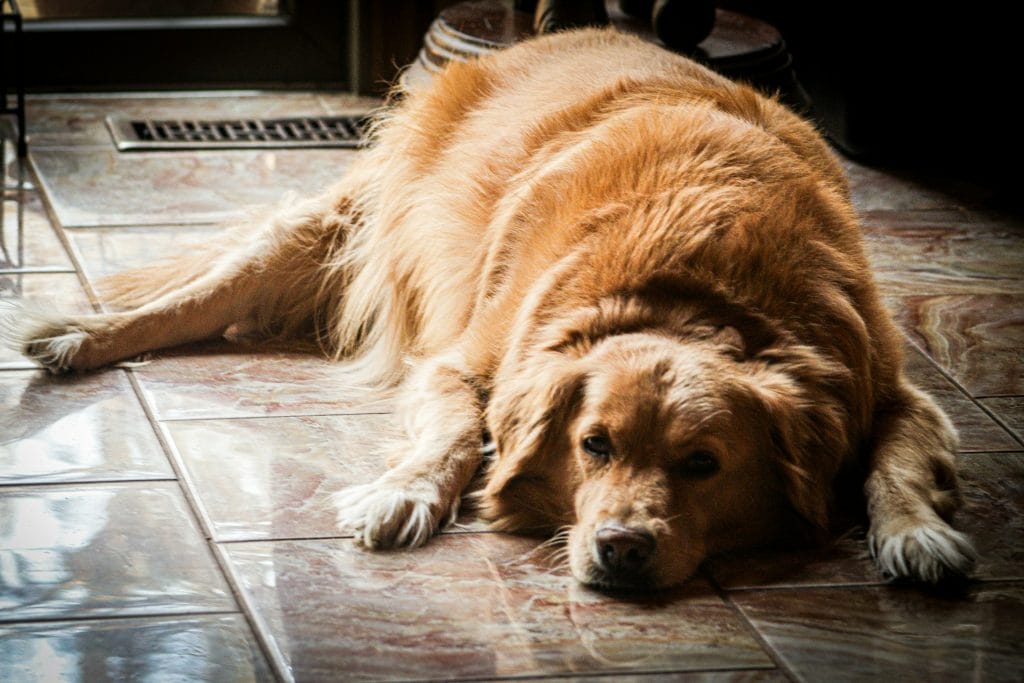
The Bottom Line
Dogs can get headaches or something close enough that the distinction barely matters when your dog is hurting. The signs aren’t always obvious, but behavioral shifts around the head, eyes, and neck are your clearest window into how your dog is feeling.
Most cases have a treatable cause: allergies, an ear infection, dental pain, or tension from a poorly fitted collar. Catching those early makes a real difference. For the more serious signs head pressing, coordination loss, or sudden neurological changes move quickly. You know your dog better than anyone. Trust that instinct when something feels off.

Zingi is a digital content creator and pet enthusiast with a passion for helping animal lovers make smarter, more informed decisions. With hands-on experience researching dog breeds, pet care routines, and tech products, Zingi writes guides that cut through the noise and focus on what actually matters for everyday pet owners and tech users.