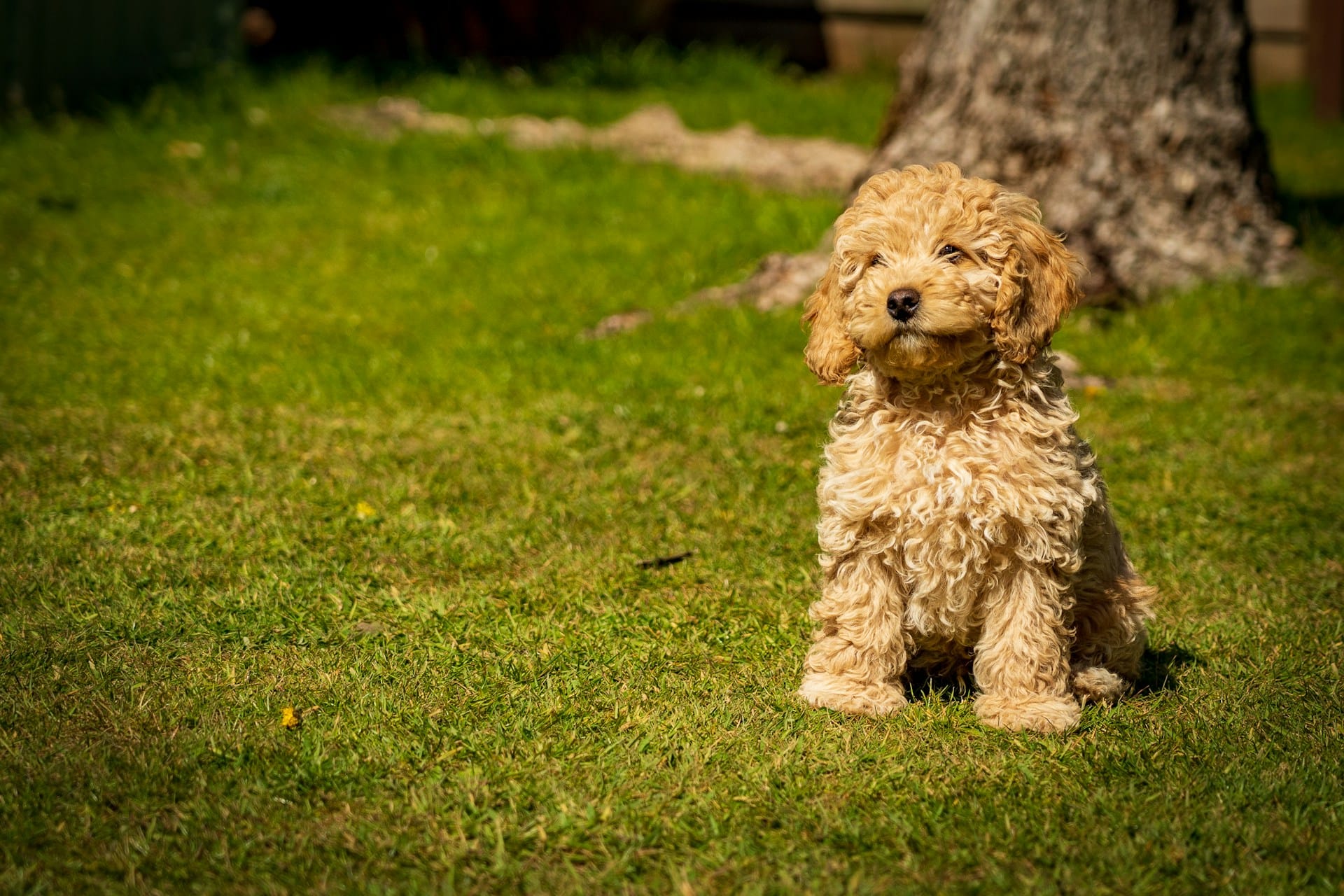
The Cockapoo is one of the most popular crossbreeds in the world and it’s easy to see why. Friendly, intelligent, low-shedding, and adaptable, this Cocker Spaniel Poodle mix has been winning over families since the 1960s. But behind the curly coat and the big eyes is a dog with real needs that prospective owners should understand before bringing one home. This complete Cockapoo guide covers everything: size, temperament, grooming, health, training, and daily care.
Table of Contents
What is a Cockapoo?
A Cockapoo is a crossbreed dog produced by mating a Cocker Spaniel either American or English with a Poodle, most commonly a Miniature or Toy Poodle. The result is a small-to-medium companion dog that typically inherits the Poodle’s low-shedding coat and sharp intelligence alongside the Cocker Spaniel’s warm, affectionate, and eager-to-please personality.
Unlike many designer breeds that emerged in the 1990s and 2000s, the Cockapo has been around since the late 1950s. The first litter is believed to have been born by accident in the United States, but the combination proved so appealing that intentional breeding followed almost immediately. Today, dedicated organisations like the Cockapo Club of America exist to promote responsible breeding standards.
It’s worth knowing that Cockapoos are not recognised as a pedigree breed by major kennel clubs, including the American Kennel Club or the UK Kennel Club. They are a hybrid, which means no single breed standard governs their appearance or temperament a fact that makes choosing a responsible breeder especially important.
Cockapoo Sizes: Teacup, Toy, Mini, and Standard
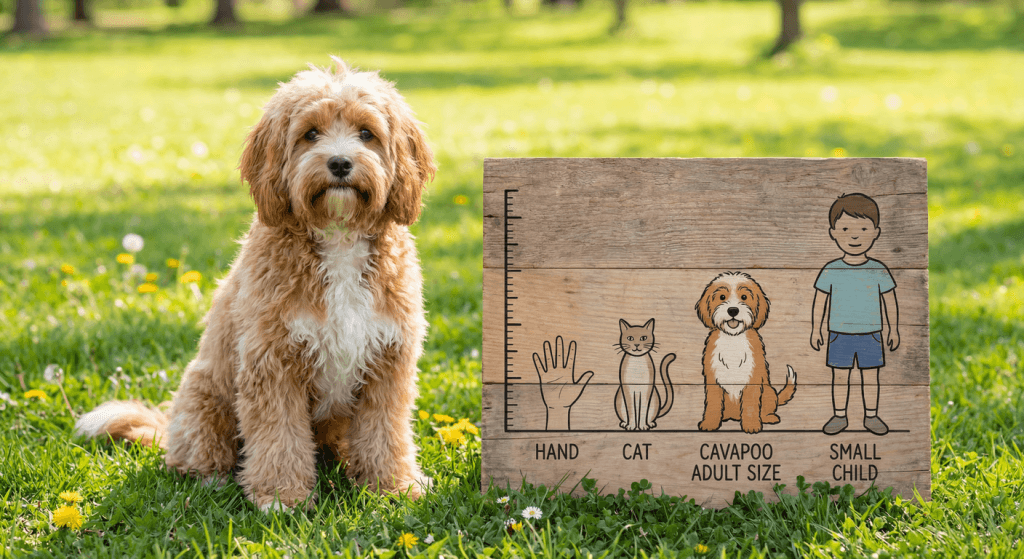
Because the Poodle parent can be a Toy, Miniature, or Standard, Cockapos come in a wider range of sizes than most people realise. Here’s how they break down:
| Type | Weight | Height |
|---|---|---|
| Teacup Toy Cockapo | Under 6 lbs | Under 10 inches |
| Toy Cockapo | Under 12 lbs | 10 inches |
| Mini Cockapo | 13–18 lbs | 11–14 inches |
| Standard (Maxi) Cockapo | 19–65 lbs | 15–18 inches |
Most family Cockapos fall into the Toy or Mini category. The Standard Cockapo, bred from a Standard Poodle parent, is far less common but does exist. For most apartment or smaller-home owners, the Toy or Mini sizes are the most practical fit.
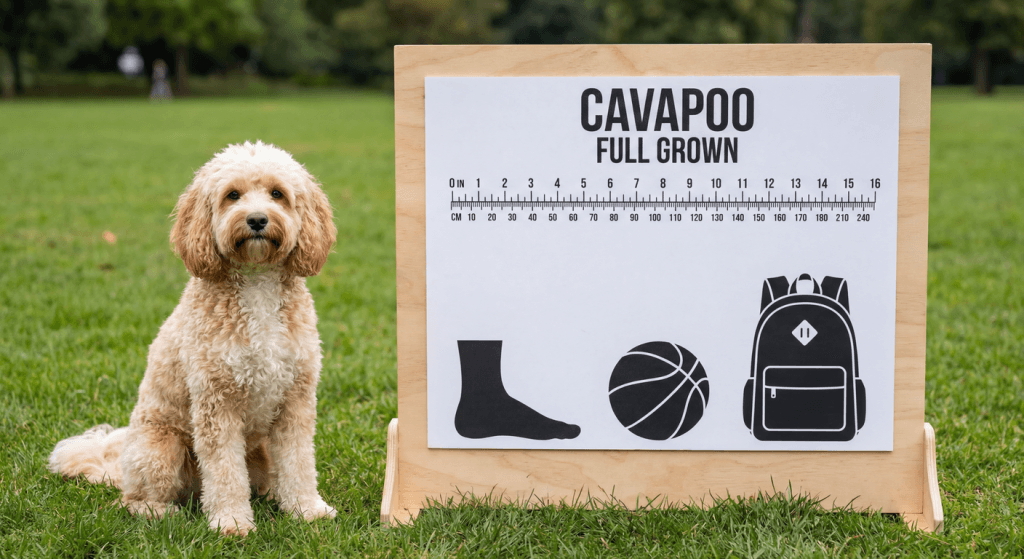
If you’re comparing similarly sized crossbreeds, our guide on how big Cavapoos get when fully grown is a useful reference the two breeds are often considered side by side and have some meaningful differences in adult size and temperament.
When are Cockapos fully grown?
Most Cockapos reach their full adult size between 9 and 18 months. Smaller Toy types tend to finish growing earlier; larger Standard Cockapos may continue to fill out toward 18 months.
Cockapo Temperament and Personality
If you’re looking for a cheerful, affectionate, and sociable dog, the Cockapo consistently delivers. They are often described as one of the happiest breeds genuinely enthusiastic about people, other animals, and life in general. Their Cocker Spaniel heritage gives them warmth and loyalty; their Poodle side gives them sharpness and trainability. The combination makes for a dog that bonds deeply with its family and adapts well to a variety of households.
Great With Families and Children
Cockapos are excellent family dogs. They’re gentle enough for young children and active enough to keep up with older kids. Their social nature means they typically get along well with other pets too, including cats when introduced properly. They don’t tend to show aggression, though all interactions between dogs and small children should be supervised regardless of breed.
Prone to Separation Anxiety
The flip side of the Cockapo’s deep attachment to people is a real susceptibility to separation anxiety. These dogs don’t enjoy being left alone for long stretches. If your household is empty for eight or more hours a day, a Cockapo may not be the best fit or you’ll need to invest seriously in separation training, dog walkers, or doggy daycare from a young age.
Intelligent but Occasionally Stubborn
Cockapos are smart. That’s mostly an advantage they pick up commands quickly and respond well to training. But high intelligence also means they learn bad habits just as fast as good ones, and some individuals can develop a stubborn streak if training has been inconsistent. Starting early with clear, positive-reinforcement-based training makes a significant difference to the adult dog you end up with.
Know before you buy
A small percentage of Cockapos more commonly in certain lines can show Sudden Onset Aggression Syndrome (SOAS), sometimes called Cockapo Rage Syndrome. This is rare and is associated with irresponsible breeding. It’s another reason to research your breeder thoroughly before committing.
Cockapoo Coat Types and Grooming Needs
The Cockapo’s coat is one of its most appealing features and one of its most demanding. Depending on which parent’s genetics dominate, a Cockapo can have a tight curly coat (more Poodle-like), a loose wavy coat, or an occasionally straighter coat. Each type has different grooming requirements, but none of them are truly low maintenance.
Daily Brushing Is Non-Negotiable
Cockapos especially those with curly or wavy coats mat quickly without regular brushing. Daily brushing with a slicker brush or comb is the standard recommendation. If mats develop and are left untreated, professional grooming can become a significant and painful session for the dog. Getting puppies used to being brushed from the very first week at home makes the whole process significantly easier for life.
Professional Grooming Every 6–8 Weeks
Most Cockapo owners take their dogs to a professional groomer every six to eight weeks for a full clip. The classic “teddy bear cut” is popular it keeps the coat manageable while maintaining the breed’s distinctive soft appearance. Budget accordingly: professional grooming for a Cockapo is an ongoing cost throughout the dog’s life.
Ear Care Is Particularly Important
Cockapoos inherit long, floppy ears from the Cocker Spaniel side. Those ears trap moisture and reduce airflow, creating a warm environment where bacteria and yeast thrive. Weekly ear cleaning with a vet-approved cleaner is essential for preventing the chronic ear infections this breed is prone to. Signs of a problem include head shaking, scratching at the ear, or a yeasty smell.
Are Cockapos Truly Hypoallergenic?
This claim needs unpacking. No dog is completely hypoallergenic all dogs produce dander, saliva, and urine proteins that trigger allergic reactions in sensitive people. Cockapoos with curlier, Poodle-like coats do tend to shed less and disperse less dander into the environment, making them a better option for some allergy sufferers. But individual reactions vary significantly. If allergies are a concern, spending time with the specific dog before committing is the only reliable test.
Exercise and Mental Stimulation Needs
Cockapoos have moderate energy levels they are not as intense as Border Collies or Huskies, but they are not couch dogs either. An adult Cockapo needs around 60 minutes of physical exercise per day, ideally split into two sessions. This makes them well-suited to active families, but manageable for owners who can commit to a morning and evening walk.
Mental Exercise Matters as Much as Physical Activity
A Cockapoo that is physically exercised but mentally bored will still find trouble. Puzzle feeders, scent games, hide-and-seek with treats, and basic training sessions all count as mental exercise. Many Cockapos excel at agility and flyball activities that combine physical and mental challenge. A well-exercised Cockapo, both physically and mentally, is a calm and settled house companion in the evenings.
If a slightly lower-energy companion dog appeals to you, our guide to the laziest dog breeds for apartments is worth a read for comparison though most Cockapo owners find the moderate energy level very manageable.
Cockapo Health: Common Conditions to Know About
Crossbreeds often benefit from hybrid vigour a tendency for mixed-breed dogs to be healthier overall than the purebred lines they come from. This applies to some degree to Cockapos, but they can still inherit health conditions common to both parent breeds. Being aware of these helps you choose a responsible breeder and catch problems early.
Eye Conditions
Both Poodles and Cocker Spaniels are prone to eye problems, and Cockapos can inherit this tendency. Progressive Retinal Atrophy (PRA) a degenerative condition that gradually impairs and eventually eliminates vision is the most serious. Cataracts and glaucoma (elevated eye pressure that causes pain and vision loss) also occur. Reputable breeders health-test their breeding dogs for PRA before breeding.
Joint Problems
Hip dysplasia where the hip joint doesn’t develop or fit correctly and luxating patella (a kneecap that moves out of position) are the two most common joint concerns. These can cause pain and mobility issues, particularly in older dogs. Weight management significantly reduces the impact of both conditions.
Ear Infections
As mentioned in the grooming section, chronic ear infections are one of the most common day-to-day health issues in Cockapos. Weekly ear cleaning and keeping the ear canal dry after swimming or bathing is the most effective prevention.
Obesity
Cockapos love food and are prone to weight gain. Obesity in dogs worsens joint problems, raises blood pressure, and can lead to heart and kidney disease. Keeping treats to no more than 10% of daily calorie intake and avoiding table scraps is important throughout this breed’s life.
Health testing what to ask your breeder
A responsible Cockapo breeder should provide DNA testing results for Progressive Retinal Atrophy (PRA), hip scoring results for both parents, and eye certificates. If a breeder cannot provide these, look elsewhere.
Cockapo Training: What to Expect
Cockapos are among the easier breeds to train. Their Poodle intelligence means they pick up commands quickly; their Cocker Spaniel heritage makes them eager to please and responsive to positive feedback. Most owners find that their Cockapo is sitting, coming when called, and learning basic household rules within the first few weeks at home.
Start Socialisation Immediately
The socialisation window for puppies closes between 7 and 12 weeks of age. During this period, gentle, positive exposure to different people, sounds, environments, and animals shapes how the dog reacts to novelty for the rest of its life. A well-socialised Cockapo is confident and friendly in new situations. A poorly socialised one can develop anxiety and fear-based reactivity despite having an otherwise excellent temperament.
Use Positive Reinforcement Only
Cockapos have a sensitive nature and do not respond well to harsh corrections or punishment-based training. Positive reinforcement rewarding desired behaviours with treats, praise, and play is both more effective and kinder. Keep training sessions short (5–10 minutes for puppies), frequent, and fun. If it stops feeling like a game, the Cockapo’s engagement drops fast.
The Toy Poodle one of the Cockapoo’s parent breeds shares many of these training characteristics. Our complete Toy Poodle breed guide gives good context on what the Poodle side of the Cockapo brings to the mix in terms of intelligence and trainability.
Is a Cockapoo Right for You?
✓ Cockapo Strengths
- Friendly and sociable with people and pets
- Low-shedding coat (especially curly types)
- Highly trainable and eager to please
- Adaptable suits apartments and houses
- Excellent with children of all ages
- Long lifespan (12–16+ years)
- Good first-dog option
✗ Things to Consider
- High grooming cost and time commitment
- Prone to separation anxiety
- Needs 60 minutes of exercise daily
- Potential for inherited health conditions
- Not a recognised pedigree breeder quality varies enormously
- Some individuals can be stubborn without consistent training
Cockapos are a strong match for active families, singles who work from home, and anyone who wants a sociable, low-shedding companion. They’re less ideal for people who are away from home for long hours most days, or those unwilling to commit to the grooming routine.
If you’re deciding between small companion breeds, our guide to the best small dog breeds for families and apartments puts the Cockapo in context alongside other popular options to help you make the right choice.
Cockapoo Cost: What to Budget
Cockapoo puppies from responsible breeders typically cost between $1,500 and $4,500 in the US, and £1,500–£3,500 in the UK. Price variation reflects breeder reputation, location, generation (F1 vs F1B vs multigenerational), coat colour, and demand. Very cheap Cockapoos are a red flag they are often produced by puppy mills or irresponsible breeders who skip health testing.
Annual ongoing costs including food, routine vet care, grooming, insurance, and accessories typically run $2,000–$4,000 per year depending on your location and whether you use professional grooming. Pet insurance is strongly recommended given the breed’s eye and joint health predispositions.

Frequently Asked Questions About Cockapoos
How long do Cockapoos live?
Most Cockapoos live between 12 and 16 years with good care. Some individuals live into their late teens the oldest recorded Cockapoo reportedly reached 23 years. Lifespan is influenced by genetics, diet, weight management, and regular veterinary care.
Are Cockapoos good for first-time dog owners?
Yes, the Cockapoo is one of the most recommended breeds for first-time owners. Their trainability, moderate energy level, manageable size, and sociable nature make them forgiving of the inevitable early mistakes. The grooming commitment is the main thing first-time owners underestimate.
Do Cockapoos bark a lot?
It varies by individual. Some Cockapoos are quiet; others are vocal. As alert dogs, they will typically bark to signal arrivals or unusual sounds. Excessive barking is usually a sign of insufficient exercise, mental stimulation, or separation anxiety not an inherent breed trait that can’t be managed.
What’s the difference between F1, F1B, and multigenerational Cockapoos?
An F1 Cockapoo is a first-generation cross between a purebred Cocker Spaniel and a purebred Poodle. An F1B is an F1 Cockapoo bred back to a Poodle, typically producing a curlier, lower-shedding coat. Multigenerational Cockapoos have Cockapoo parents on both sides, producing more predictable traits. F1B and multigenerational dogs tend to suit allergy sufferers better due to lower shedding.
Can Cockapoos be left alone?
Not for long periods without gradual training. Cockapoos bond deeply with their families and can develop separation anxiety if left alone abruptly for extended hours. With structured alone-time training starting in puppyhood, most Cockapoos can manage 3–4 hours. Longer than that regularly is hard on this breed.
Cockapoo vs Cavapoo which is better?
Both are affectionate, low-shedding Poodle crosses. Cockapoos tend to be slightly more energetic and playful; Cavapoos often have a calmer, gentler temperament due to the Cavalier King Charles Spaniel heritage. Cavapoos can be more prone to serious cardiac issues inherited from the Cavalier side. The right choice depends on your lifestyle and activity level.
How much grooming does a Cockapoo actually need?
Daily brushing at home plus professional grooming every 6–8 weeks is the realistic standard. Ear cleaning weekly, nail trimming every 2–4 weeks, and dental care at least a few times a week round out the routine. This is a breed that rewards owners who enjoy hands-on care and frustrates those who don’t.
The Bottom Line on Cockapoos
The Cockapoo earns its popularity honestly. It’s a genuinely well-tempered, adaptable, and trainable dog that fits into a wide range of households. The keys to a great experience are choosing a health-tested puppy from a responsible breeder, committing to the grooming routine from day one, and investing in socialisation and training early. Do those things, and you’ll have a loyal, cheerful companion for well over a decade.
For a broader look at how Cockapoos compare with other small and medium breeds worth considering, the American Kennel Club’s mixed breed resource centre is a reliable reference point on crossbreed considerations and responsible ownership.

Zingi is a digital content creator and pet enthusiast with a passion for helping animal lovers make smarter, more informed decisions. With hands-on experience researching dog breeds, pet care routines, and tech products, Zingi writes guides that cut through the noise and focus on what actually matters for everyday pet owners and tech users.