Can cats get anxiety and it’s far more common than most owners realize. Anxiety in cats isn’t just nervousness around strangers or dislike of car rides. It can be a chronic, daily condition that affects your cat’s quality of life, physical health, and behavior in ways that are easy to misread as stubbornness, aggression, or bad manners. Recognizing anxious cat behavior for what it is rather than a personality flaw is the first step toward actually helping your cat.
Table of Contents
What Anxiety in Cats Actually Looks Like
Anxiety in cats doesn’t always look like trembling in a corner. Cats express stress and fear through behavior, and many of those behaviors get misinterpreted.
The clinical definition is straightforward: feline anxiety is a persistent state of apprehension or fear in response to real or anticipated threats. Unlike a one-off stress reaction startling at a loud sound, hiding during a thunderstorm anxiety is ongoing. It colors how your cat experiences daily life even when no immediate threat is present.
Veterinary behaviorists recognize several forms. Generalized anxiety is a baseline state of tension with no single clear trigger. Situational anxiety is tied to specific events car travel, vet visits, loud noises. Separation anxiety occurs when a cat becomes distressed in the absence of a specific person or animal. Social anxiety involves fear of unfamiliar people, other cats, or new environments.
These categories often overlap. A cat with generalized anxiety may also have intense situational responses. Understanding which type your cat is dealing with shapes how you approach helping them.
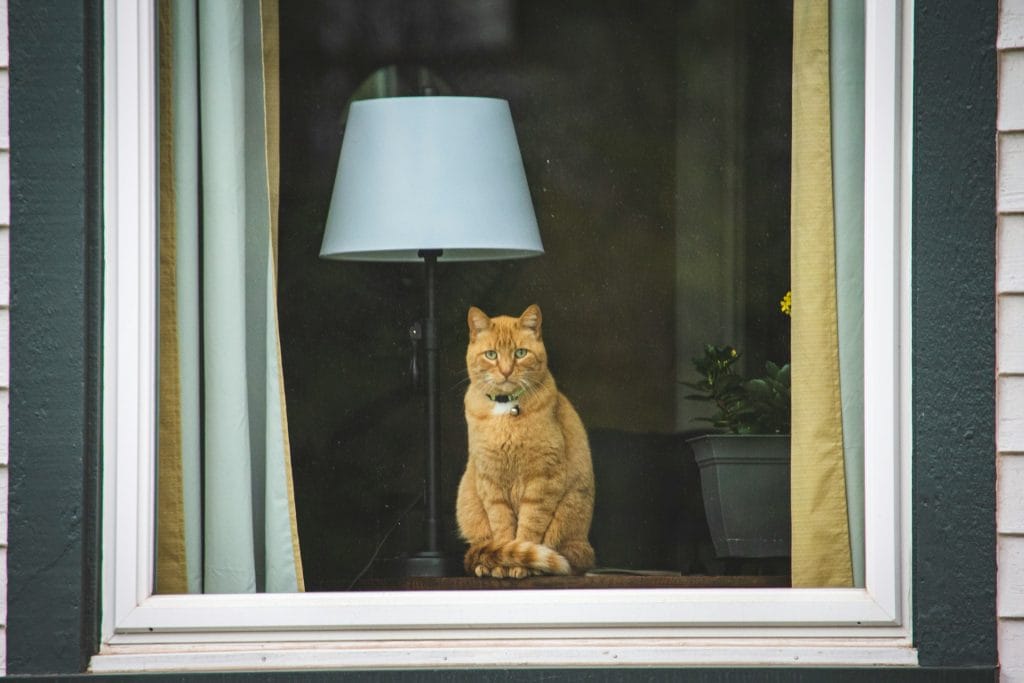
Signs of Anxious Cat Behavior
Anxious cat behavior covers a wide range some signs are obvious, others easy to miss or misattribute. Knowing the full picture helps you recognize what’s actually stress-driven.
Behavioral signs:
- Hiding more than usual – not occasionally retreating, but spending most of the day in concealed spots
- Aggression with no clear trigger – swatting, hissing, or biting that seems disproportionate or unpredictable
- Excessive vocalization – yowling, howling, or crying, particularly when alone
- Destructive scratching – beyond normal scratching behavior, often at exits like doors and windows
- Litter box avoidance or house soiling – urinating or defecating outside the box is a classic stress signal; always rule out a medical cause first
- Following you from room to room obsessively – particularly in cats with separation anxiety
- Pacing or restlessness – inability to settle, circling, or repetitive movement
Physical signs:
- Overgrooming – excessive licking that leads to thinning fur or bald patches, particularly on the belly, inner legs, and base of tail; a condition called psychogenic alopecia
- Reduced appetite – a stressed cat may eat less or refuse food entirely
- Vomiting or diarrhea without medical cause – chronic stress affects gut motility
- Dilated pupils even in normal lighting
- Tucked tail, flattened ears, crouched posture – persistent rather than situational
- Increased grooming of a specific area – may indicate referred pain or anxiety focus
The overlap between medical and behavioral causes is significant. Hyperthyroidism, pain, and urinary tract disease can all produce anxiety-like symptoms. Before attributing any of the above to anxiety, a vet examination to rule out physical causes is essential.
What Causes Anxiety in Cats
Understanding what triggers anxiety in cats helps explain why some cats struggle while others in seemingly similar circumstances are perfectly relaxed.
Early life experience is the most influential factor. Kittens have a socialization window between roughly 2 and 7 weeks of age during which exposure to humans, other animals, handling, sounds, and environments shapes their baseline confidence. Kittens that miss adequate socialization during this window those raised in isolation, feral environments, or with minimal human contact are significantly more likely to develop anxiety in adulthood. This isn’t something that can be fully undone later, though it can be improved with patience and work.
Past trauma plays a significant role. Cats that have experienced abuse, neglect, abandonment, repeated rehoming, or significant physical trauma carry that history in their nervous system. Triggers that remind them of past experiences certain sounds, smells, types of handling can activate strong fear responses even in an otherwise safe environment.
Changes in the home environment are a leading cause of situational and generalized anxiety in previously settled cats. Moving house, a new baby, a new pet, a change in work schedule, building work, renovation, or the loss of a companion animal or person any significant disruption can destabilize a cat that had previously seemed confident.
Lack of control and predictability is underappreciated as an anxiety driver. Cats are creatures of routine who are highly motivated by the ability to predict and control their environment. Unpredictable feeding times, inconsistent human behavior, and environments where they can’t easily find safety or resources produce chronic low-level stress.
Genetics and breed contribute meaningfully. Some cats are simply wired for higher reactivity. Siamese, Abyssinian, and other highly active and social breeds tend toward anxiety more readily than more placid breeds like Ragdolls or British Shorthairs. Individual genetic variation within any breed exists too littermates raised identically can have notably different anxiety profiles.
Multi-cat household dynamics are a frequent, underestimated source of chronic stress. Cats are not naturally social animals. They can live together peaceably, but forced cohabitation with incompatible cats especially with resource competition over food, litter boxes, or resting spots produces ongoing anxiety that owners often don’t recognize because the tension is subtle.
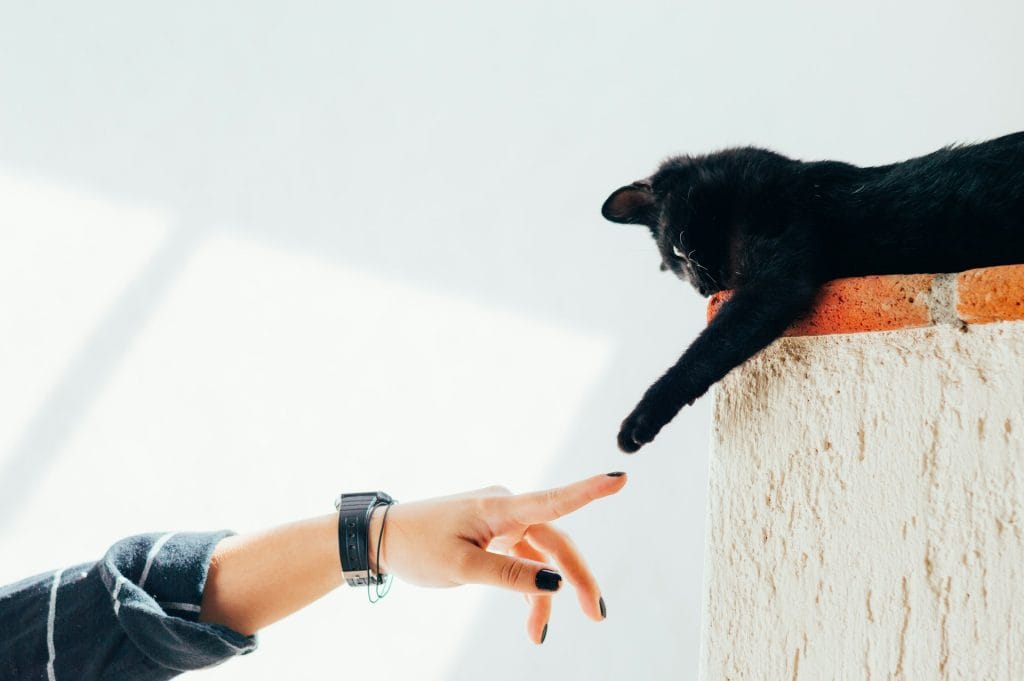
How to Calm an Anxious Cat
Knowing how to calm an anxious cat involves both environmental changes and, in some cases, professional support. There’s rarely a single fix effective management usually combines several approaches.
Create genuine safety and predictability. Your cat needs places in the home where they feel completely safe and in control. Elevated resting spots, enclosed hiding spaces (covered beds, boxes with one entrance, cat caves), and access to high shelves give anxious cats the ability to observe without being exposed. These aren’t indulgences they’re functional anxiety management tools. Equally important is routine. Feed at consistent times, keep interactions predictable, and avoid forcing contact when your cat signals they want space.
Identify and reduce specific triggers. If your cat’s anxiety has identifiable triggers a specific person, another pet, a room, a sound reducing exposure where possible is the most direct intervention. For unavoidable triggers like thunderstorms or fireworks, preparation helps: provide a pre-set hiding space before the event, use white noise to partially mask the sound, and avoid trying to comfort your cat in ways that confirm there’s something to be afraid of.
Use pheromone products. Feliway Classic a synthetic analogue of the feline facial pheromone cats deposit when they rub against objects is the most widely used and studied feline anxiety product. Diffusers placed in rooms where your cat spends the most time can reduce general anxiety and stress-related behaviors in many cats. It doesn’t work for every cat, but it’s low-risk, widely available, and worth trying as a baseline intervention.
Increase appropriate enrichment. An understimulated cat is a more anxious cat. Daily play sessions using wand toys that engage predatory instincts, puzzle feeders that provide mental engagement around eating, window bird feeders for passive enrichment, and consistent human interaction all reduce the background anxiety that comes from boredom and lack of control. The goal is a cat that is mentally engaged and physically exercised enough to be genuinely tired and settled.
Address multi-cat tension. If anxiety is driven by conflict with another cat in the home, the solution is resource management. Provide at least one litter box per cat plus one extra. Multiple feeding stations in different locations. Multiple elevated resting areas. Vertical space that allows cats to coexist at different heights without forced proximity. In some cases, a structured reintroduction between cats treating them as if meeting for the first time can reset a damaged relationship.
Consider anxiety supplements. Several products have reasonable evidence for mild to moderate feline anxiety: L-theanine (found in products like Zylkene and various calming chews), alpha-casozepine, and melatonin. These aren’t pharmaceutical-grade interventions, but for cats with mild anxiety they can take the edge off enough to make behavioral work more effective. They’re also useful situationally for vet visits, travel, or one-off stressful events.
Work with a vet or veterinary behaviorist for moderate to severe anxiety. Behavioral modification systematic desensitization and counter-conditioning is the gold standard for treating anxiety in cats, but it requires expertise to do correctly. Done wrong, it can make things worse. A veterinary behaviorist can design a specific program for your cat’s triggers and history.
For cats with severe or chronic anxiety that isn’t responding to environmental management, prescription medication is appropriate and effective. Options include:
- Daily medications – fluoxetine (Prozac) and paroxetine are SSRIs used long-term for generalized anxiety; they take 4–6 weeks to reach full effect
- Situational medications – gabapentin is commonly prescribed for event-specific anxiety (vet visits, travel, fireworks); it reduces fear response markedly in most cats
- Buspirone – an anti-anxiety medication that works well for some cats, particularly those with social anxiety
Medication isn’t a shortcut or a last resort for genuinely anxious cats, it can reduce suffering significantly and make behavioral work possible. A vet conversation about medication options is worth having earlier rather than later.
When to See a Vet
Some anxiety signs are manageable with home intervention. Others need professional assessment sooner rather than later.
Book a vet appointment if your cat:
- Has started house soiling after previously being reliable always rule out a urinary tract infection or other physical cause before assuming this is behavioral
- Has developed bald patches or skin irritation from overgrooming
- Has stopped eating or significantly reduced food intake for more than 48 hours
- Has become aggressive toward people or other pets with no clear trigger, particularly if this is a change from previous behavior
- Shows persistent signs of fear or distress despite home management attempts over several weeks
Seek urgent advice if your cat:
- Is completely hiding and refusing to eat or drink for more than 24 hours
- Is injuring themselves through overgrooming
- Has had a sudden, dramatic personality change this can indicate pain or neurological issues, not just anxiety
A vet can rule out physical causes, recommend appropriate products or medications, and refer you to a veterinary behaviorist for complex cases. You don’t need to manage severe feline anxiety alone.
Frequently Asked Questions
Can cats get anxiety from being left alone? Yes this is called separation anxiety, and it’s more common in cats than historically recognized. Signs include excessive vocalization, destructive behavior, and house soiling specifically when the owner is absent. It’s more common in cats with strong human attachment and those in single-pet households.
What does anxious cat behavior look like day to day? It varies, but common daily signs include hiding more than usual, reduced appetite, overgrooming, litter box avoidance, and either clinginess or unusual aggression. Many owners live with low-level feline anxiety for years without recognizing it because the signs are subtle and easy to normalize.
Does Feliway actually work for cat anxiety? For many cats, yes. Research on Feliway Classic shows meaningful reduction in stress-related behaviors in a significant proportion of cats. It doesn’t work for every cat, and severe anxiety typically needs more than pheromones alone but it’s a reasonable first-line tool.
How do I know if my cat’s symptoms are anxiety or a medical problem? You often can’t tell without a vet examination. Overgrooming, house soiling, reduced appetite, and vomiting all have physical as well as behavioral causes. A vet workup to rule out medical causes is the correct first step for any significant behavioral change not an assumption of anxiety.
Can cats be prescribed anxiety medication? Yes, and it’s more common than many owners expect. Fluoxetine and paroxetine are used for long-term generalized anxiety. Gabapentin is widely used for situational anxiety. These are appropriate tools when anxiety is severe enough to affect quality of life, and they work well for many cats.
Is anxiety in cats permanent? Not necessarily. Situational anxiety often improves significantly with management and desensitization work. Anxiety rooted in early socialization gaps is harder to fully resolve but can be meaningfully reduced. Generalized anxiety often requires long-term management but is very manageable with the right approach.
Can a new pet cause anxiety in my existing cat? Yes and this is one of the most common triggers for sudden-onset anxiety in previously settled cats. Proper, gradual introduction protocol significantly reduces this risk. Rushing the introduction of a new cat or dog into an existing cat’s space almost always creates stress and sometimes lasting anxiety.
What’s the fastest way to calm an anxious cat in the moment? Give them access to a safe hiding spot and leave them alone. Attempting to physically comfort a frightened cat often escalates their anxiety. Speaking softly from a distance, reducing environmental noise, and simply being calmly present without demands is more effective than trying to hold or stroke a cat that isn’t ready for contact.
The Bottom Line
Cats absolutely experience anxiety and the cats that suffer most are often the ones whose anxiety goes unrecognized for years because the signs look like attitude or bad behavior rather than distress. A cat that hides constantly, overgroomes, avoids the litter box, or lashes out unpredictably is not a difficult cat. It’s a stressed one.
The good news is that feline anxiety responds well to the right combination of environmental management, enrichment, and where needed veterinary support. Most anxious cats improve meaningfully with the right approach. You don’t have to accept chronic stress as your cat’s baseline.
For more on understanding your cat’s behavior and creating a home where they genuinely thrive, check out
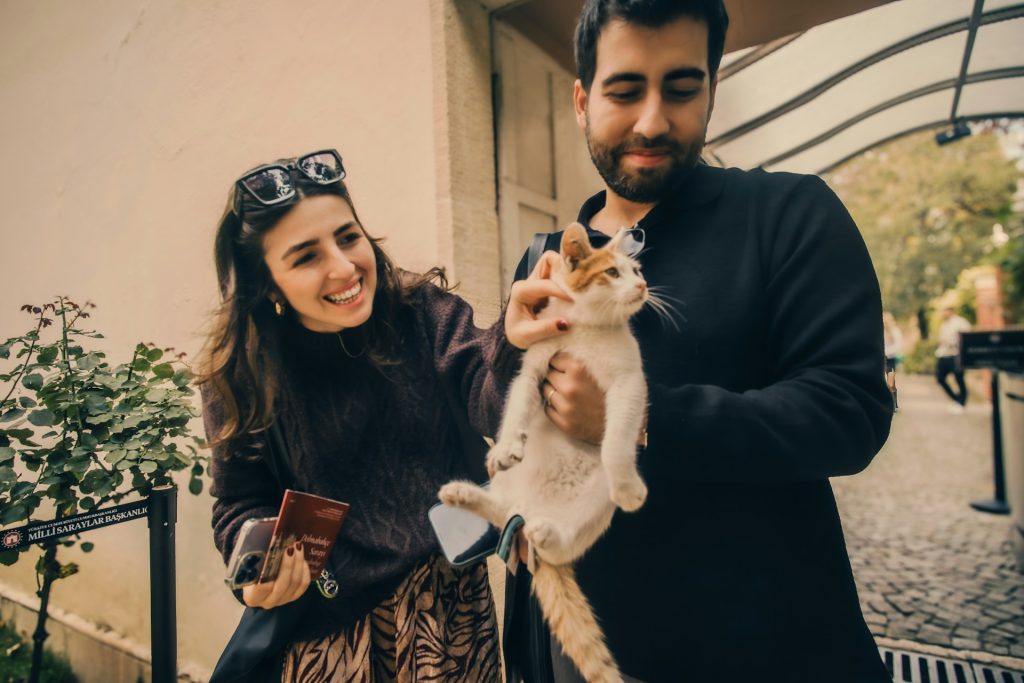
Photo by Halogen Condense on Unsplash
Zingi is a digital content creator and pet enthusiast with a passion for helping animal lovers make smarter, more informed decisions. With hands-on experience researching dog breeds, pet care routines, and tech products, Zingi writes guides that cut through the noise and focus on what actually matters for everyday pet owners and tech users.