What Is an Anatolian Shepherd Dog, Really?
Picture this: you’re standing on a windswept hillside in rural Turkey, miles from the nearest village. A flock of sheep grazes peacefully, and somewhere in the distance, a massive, fawn-colored dog watches silently. He hasn’t been given a command in hours. He doesn’t need one. His ancestors have been doing this job for thousands of years, and he knows what he’s here for.
That dog is the Anatolian Shepherd.This isn’t a herding breed that nips at heels and waits for your whistle. This is a livestock guardian a dog bred to think independently, make split-second decisions, and stand between predators and their flock without human intervention. They were developed to protect sheep and goats from wolves, jackals, and bears across the vast, unforgiving Anatolian plateau.
Table of Contents
What sets them apart:
- A mind of their own: They don’t look to you for permission before acting they assess threats and respond based on centuries of instinct.
- Built for extremes: Their thick double coat laughs at blizzards and scorching sun alike.
- Silent sentinels: They don’t waste energy barking at leaves. When they do bark at night, there’s a reason and you’ll want to listen.
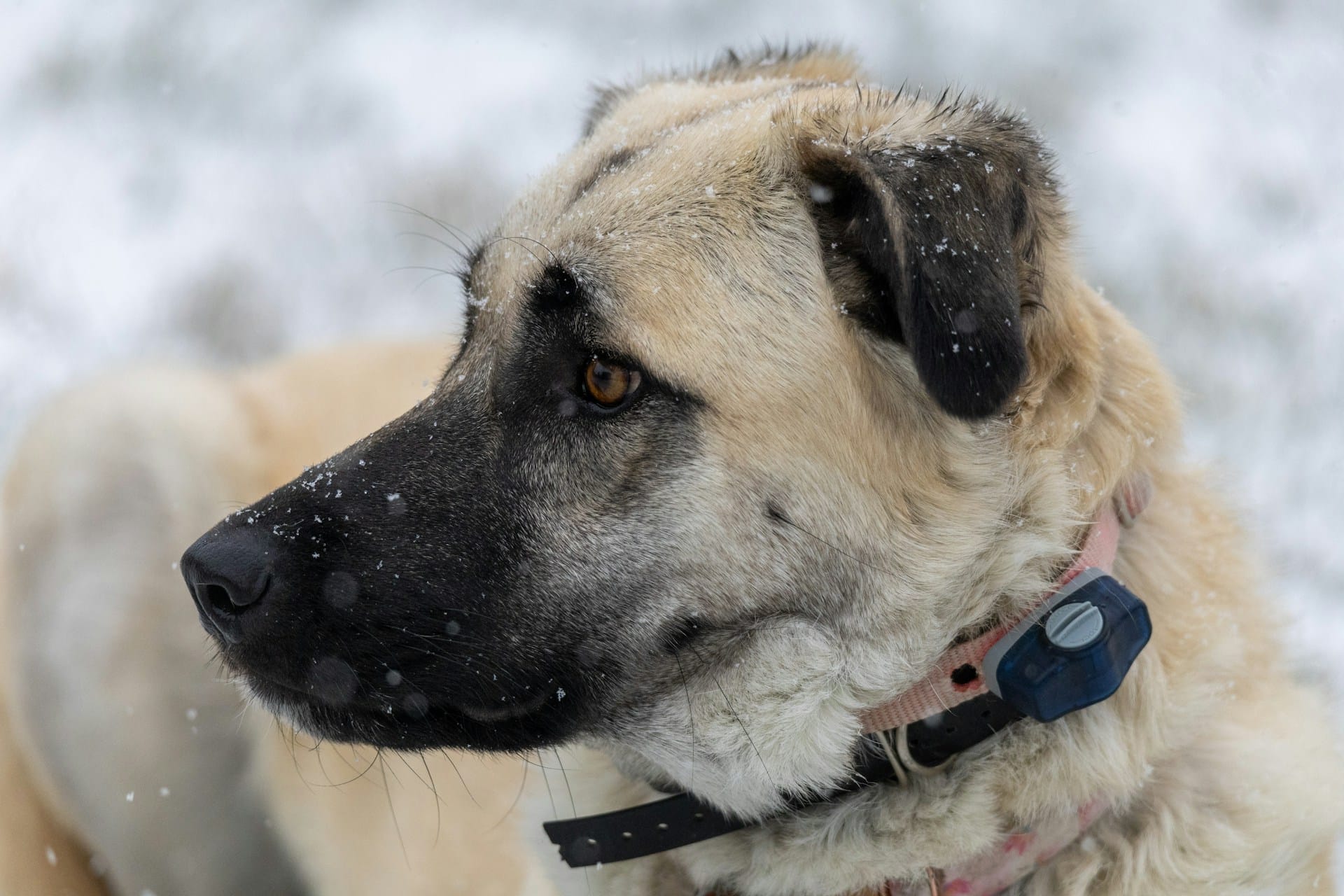
- The black mask: Many have that distinctive dark facial marking, like a natural superhero mask, though not every Anatolian wears one.
There’s an important distinction worth making: the Anatolian Shepherd and the Kangal are essentially the same dog. Purists will argue about regional Turkish bloodlines, but for practical purposes, they’re effectively identical.
Size & Appearance: They Are Big, and They Know It
Let’s be honest you don’t accidentally acquire an Anatolian Shepherd. You commit to one.
The numbers:
- Height: 27–29 inches at the shoulder for males, slightly less for females
- Weight: 40–65 kg (88–143 lbs), though many males push well past that
- Build: Athletic and powerful, not bulky. Think marathon runner, not bodybuilder
What you’ll notice first:
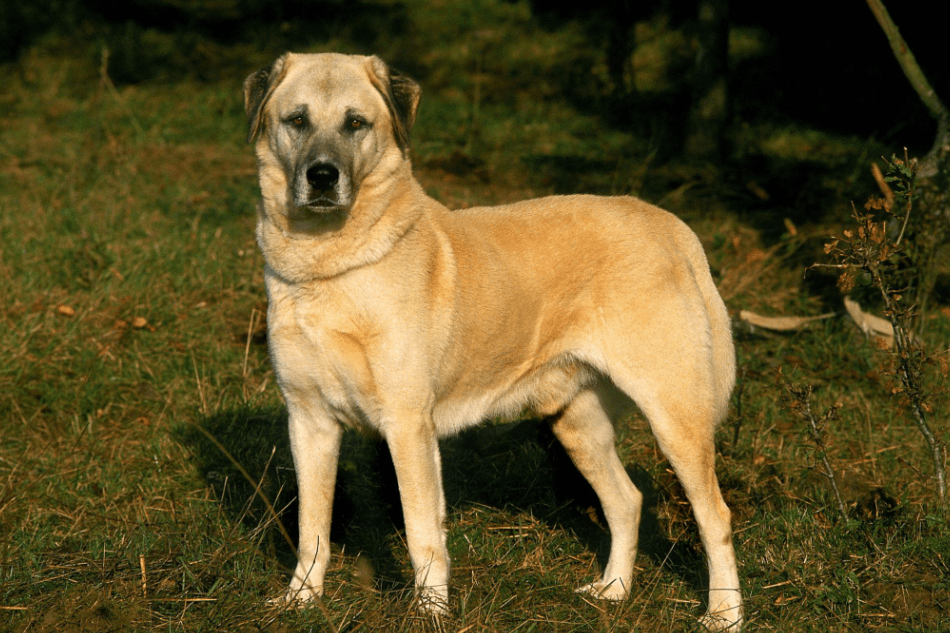
That broad, noble head. The alert, intelligent eyes that seem to look through you, sizing you up. The short-to-medium coat that comes in fawn, white, brindle, or pinto. And the sheer presence one experienced owner described his 120-pound male as “the very picture of power and grace”. These dogs are built for endurance patrolling, not sprinting. Everything about their physiology says, “I can cover this terrain all day, and I will.”
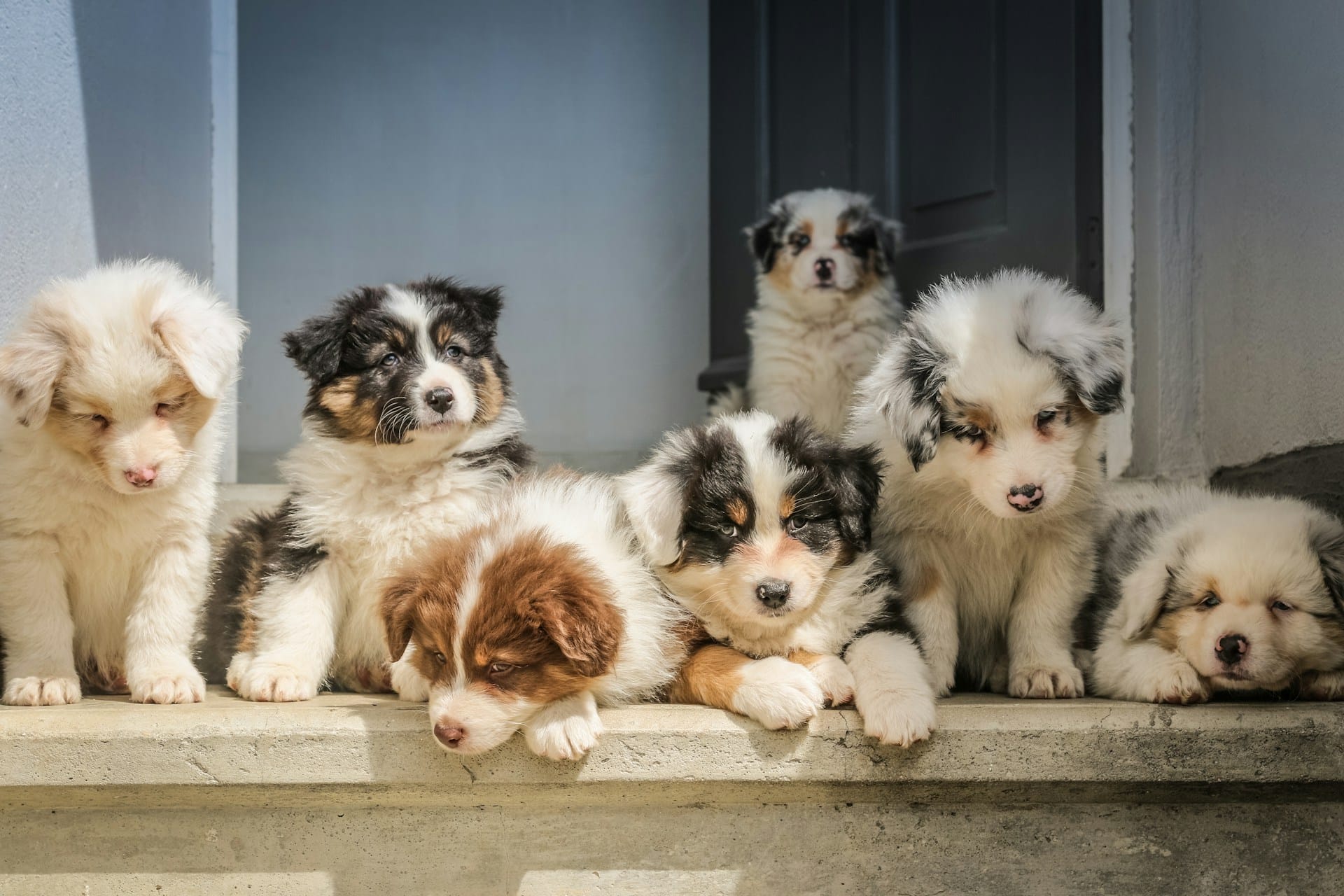
Temperament: The Dog That Doesn’t Need You (But Chooses You Anyway)
Here’s where things get real. If you’re coming from Labradors or Golden Retrievers dogs that live to please you the Anatolian will feel like culture shock.
The truth about their personality:
- Loyalty without clinginess: They bond deeply with their family, but they won’t follow you from room to room begging for attention. They love you. They just don’t need to prove it every five minutes.
- Aloof dignity: One owner put it perfectly: “He doesn’t have a really strong desire to please me” . That sounds cold until you realize it’s not rejection it’s just… independence.
- Quiet confidence: They rarely bark without cause. When they do sound the alarm at 2 AM, there’s something out there.
- Natural protectiveness: This isn’t trained behavior. It’s hardwired. They don’t ask if they should protect you they just do.
The two sides of the coin:
Anatolians have what experienced owners call an “edge” compared to similar breeds like the Great Pyrenees. Where a Pyr might intimidate and chase off a coyote, an Anatolian was historically bred to eliminate the threat. That doesn’t make them bloodthirsty monsters it means they take their guardian role with deadly seriousness. As one owner shared about his dog Rollo: “As gentle as he is to humans and other dogs, I know of at least one coyote he has killed”.
Are They Good Family Pets? It Depends on Your Family
Let’s not sugarcoat this: an Anatolian is not a “starter dog.” They’re not even a “second dog” for most people. But in the right home? They’re extraordinary.
They thrive with:
- Experienced owners who understand independent, guardian breeds
- Space to roam a fenced yard is non-negotiable; apartments are a hard no
- Consistent boundaries from day one
- A “job” even if that job is just patrolling your property
With children:
Many Anatolians are naturally gentle and protective of kids in their family. Rollo, the therapy-certified Anatolian, “loves kids, and he is absolutely trustworthy around them”. But here’s the catch: supervision is essential not because the dog is dangerous, but because a 120-pound dog can knock a toddler over without meaning to. They’re powerful animals who don’t always know their own strength.
With strangers:
This is where early socialization becomes critical. An Anatolian is naturally suspicious of anyone outside their trusted circle. Without careful, positive exposure to different people, places, and situations as a puppy, that suspicion can harden into genuine fear or aggression.
Training: It’s a Partnership, Not a Dictatorship
If you approach Anatolian training like a drill sergeant, you’re going to have a bad time. These dogs don’t respond to dominance they respond to respect.
What actually works:
- Calm, firm leadership: Think wise mentor, not tyrant
- Short, meaningful sessions: They get bored with repetition fast
- Early, extensive socialization: Expose them to everything different people, animals, sounds, surfaces. The window closes quickly.
- Positive reinforcement: Food rewards, praise, and patience
What absolutely doesn’t work:
- Harsh punishment or intimidation (you’ll damage trust, not build obedience)
- Repetitive drills (they’ll check out mentally)
- Expecting instant compliance (they’re processing whether your request makes sense)
One owner noted that getting his Anatolian leash-trained was genuinely difficult “Rollo is a big powerful dog. Until I got him leash trained he was a lot to handle, and I’m a strong man”. But with persistence, Rollo became so reliable that he could be taken “most places off leash with no worries” something breed traditionalists insist is nearly impossible.
A pro tip from the trenches: Having a well-trained older dog as a role model can work wonders. Rollo’s owner credits his female Great Pyrenees for showing the puppy the ropes.

Exercise & Activity: Less Hyper, More Purposeful
Don’t let their size fool you these aren’t bouncing-off-the-walls dogs.
Daily needs:
- 45–60 minutes of meaningful activity (a leisurely stroll around the block won’t cut it)
- Space to patrol and explore they need territory to monitor
- Mental stimulation puzzle toys, scent work, or simply having a “job” on your property
They won’t destroy your house out of boredom like a Border Collie might, but they will become depressed and listless if confined indoors all day. These dogs need to feel useful.
Grooming: Moderate Effort, Seasonal Drama
Routine maintenance is manageable, but twice a year? Brace yourself.
The weekly routine:
- Brush 1–2 times per week to keep the coat healthy
- Regular nail trims (those big paws need maintenance)
- Occasional baths don’t overdo it, their coat is naturally weather-resistant
The seasonal reality:
When shedding season hits, you’ll wonder how one dog produced enough fur to knit a sweater. Increase brushing to daily during these periods. Invest in a good undercoat rake. Accept that your vacuum cleaner is now your closest companion.
Health & Lifespan: The Good News and the Watch List
Average lifespan: 11–13 years (impressive for a giant breed)
Conditions to watch for:
- Hip dysplasia: Common in large breeds; responsible breeders screen for this
- Bloat (gastric torsion): A life-threatening emergency. Learn the symptoms, feed smaller meals, and avoid vigorous exercise right after eating
- Entropion: An eyelid condition that can cause irritation and requires surgical correction
Because of their size, regular vet check-ups focusing on joints and digestive health are non-negotiable. Prevention and early detection make all the difference.
Common Mistakes: Where Well-Meaning Owners Go Wrong
❌ Treating them like a Golden Retriever: They won’t fetch your slippers on command, and they don’t want to. Respect their nature.
❌ Skipping socialization: That cute, fluffy puppy will become a 130-pound guardian with opinions. Make sure those opinions include “strangers are okay.”
❌ Apartment living: Just don’t. They need space, territory, and the ability to patrol. A small yard feels like a prison.
❌ No purpose: Even as a pet, they need to feel like they have a job. Whether it’s guarding your property or accompanying you on hikes, they need meaning.
Is This Breed Right for You? An Honest Checklist
You might be an Anatolian person if:
- You want a dog that will protect your family with their life
- You have land, or at minimum a large, securely fenced yard
- You respect independence and don’t need constant validation from your dog
- You’re patient, consistent, and experienced with strong-willed breeds
- You don’t mind a dog that barks at night when something’s amiss
You should probably look elsewhere if:
- You want a dog that lives to obey your every command
- You live in an apartment or have a tiny yard
- You’re a first-time dog owner looking for something “easy”
- You want a dog that showers you with overt affection 24/7
- Your neighbors will complain about nighttime barking
As one experienced owner summarized: “An Anatolian Shepherd should not be your choice of a dog for a pet unless you are familiar with the breed, have a lot of outdoor space, have a lot of time to spend working with the dog, have a lot of experience training dogs, have neighbors who don’t mind a big dog barking at night, and are ok handling a 100–150 pound dog. But if you’re ok with all of those things, they are truly wonderful dogs with amazing personalities”.
Frequently Asked Questions
Are they aggressive? Not inherently, but they are protective. They react to perceived threats. With proper socialization, they’re typically gentle with people they know and even strangers who approach calmly.
Can they live in apartments? Honestly? No. This breed needs space to move, patrol, and feel like they have territory to guard. An apartment is a recipe for frustration.
Are they easy to train? They’re intelligent very much so. But they’re independent thinkers, not obedient followers. Training takes patience, consistency, and mutual respect.
Do they get along with other pets? Generally yes, especially if raised together from puppyhood. Many coexist peacefully with cats, other dogs, and livestock.
How much do they shed? Moderate year-round. Heavy during seasonal coat blows. You’ll become very familiar with your vacuum.
Are they good guard dogs? They are exceptional guard dogs. It’s literally what they were born to do.
Final Thoughts: The Quiet Giant
The Anatolian Shepherd Dog isn’t trying to be everyone’s best friend. They’re not interested in being the life of the party. What they offer is something rarer and, for the right person, far more valuable: unwavering, silent devotion. A calm presence that watches over your home while you sleep. A bond built not on neediness, but on deep, mutual respect.
One owner, reflecting on five years with his Anatolian, said it best: “It has been a lot of work, but Rollo has rewarded me deeply at every turn. I could hardly have asked for a better dog”. If you can offer them space, patience, leadership, and understanding, they’ll give you back a loyalty that spans millennia. But if you’re looking for a dog that lives to please you? This ancient guardian will gently suggest you keep looking and then go back to watching the horizon, just as their ancestors have always done.
Photo by Dawn Casey on Unsplash
Zingi is a digital content creator and pet enthusiast with a passion for helping animal lovers make smarter, more informed decisions. With hands-on experience researching dog breeds, pet care routines, and tech products, Zingi writes guides that cut through the noise and focus on what actually matters for everyday pet owners and tech users.