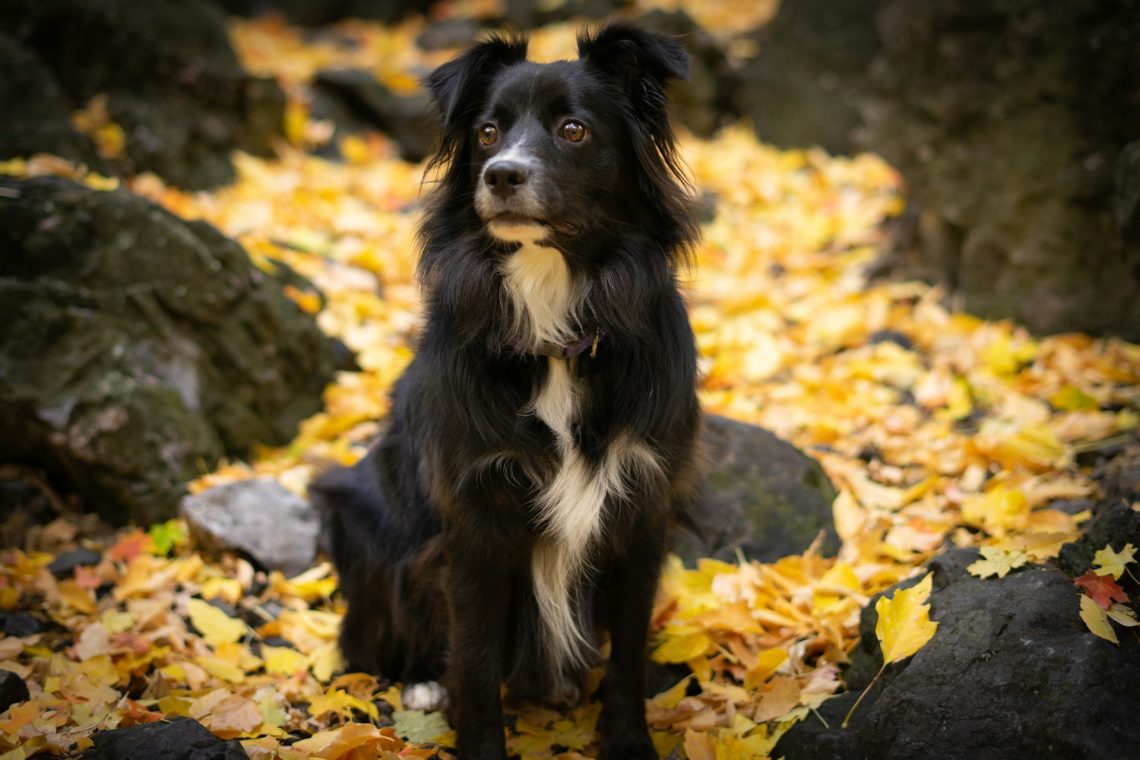
The Australian Sheep Dog Black, more accurately and commonly known as the Black Australian Shepherd (or simply “Black Aussie”), is a striking color variant of the Australian Shepherd breed. This solid black (or predominantly black with minimal markings) coat is one of the recognized colors in the breed standard, though less common than merle or red patterns. Black Aussies share all the core traits of the breed: high intelligence, boundless energy, and exceptional herding instinct.
This guide explores the breed’s true history, physical traits, temperament, training, health, grooming, nutrition, exercise needs, and ownership considerations for optimal care.
History and Origin of the Australian Shepherd
Despite its name, the Australian Shepherd is a distinctly American breed developed in the western United States (primarily California, Colorado, and other ranching states) during the 19th and early 20th centuries. The name likely stems from Basque shepherds who immigrated to America via Australia and New Zealand in the 1800s, bringing their herding dogs along with imported sheep flocks. These dogs were crossed with various herding breeds, including Collies and other European pastoral dogs, to create a versatile stock dog suited to the rugged American West.
Early influences trace back to Spanish herding dogs brought to the New World in the 1500s, but the modern Australian Shepherd emerged on U.S. ranches to manage large herds of sheep and cattle. Post-World War II, the breed gained popularity through rodeos, horse shows, and media. Recognized by the AKC in 1991 (Herding Group), it remains prized for its work ethic and adaptability. The “Black” variant refers to solid black or black-dominant coats, not a separate breed.
Physical Characteristics of the Black Australian Shepherd
Black Australian Shepherds are medium-sized, athletic dogs with a balanced, muscular build ideal for endurance and agility.
- Size: Males typically stand 20–23 inches at the shoulder and weigh 50–65 pounds; females 18–21 inches and 40–55 pounds (some variation exists).
- Coat: Medium-length double coat that’s moderately coarse, straight to slightly wavy, and weather-resistant. In black variants, the coat is solid black, black tri (black with tan/copper points and possible white markings), or black bi. The coat sheds seasonally.
- Eyes: Expressive and almond-shaped; colors include brown, blue, amber, or combinations (including heterochromia or marbling). Eyes are fully surrounded by pigment.
- Other Features: Erect or semi-erect ears; strong tail (natural bobbed or docked in some lines); alert expression.
Their build supports long days of activity, with keen senses enhancing herding performance.
Temperament and Behavior Traits
Black Australian Shepherds inherit the breed’s signature intelligence, loyalty, and drive. They are quick learners with strong problem-solving skills, making them excel in herding, dog sports, and obedience.
- Highly trainable and eager to please, responding best to positive methods.
- Deeply loyal and bonded to family; protective and watchful, often wary of strangers (good watchdogs without aggression).
- Energetic and playful; they thrive with purpose whether herding, agility, or interactive play.
- Affectionate with loved ones but need mental and physical outlets to prevent boredom-induced behaviors like chewing or herding people/pets.
They suit active households but require commitment to stimulation.
Training and Socialization Tips
Start early with consistent, positive reinforcement training these dogs excel with rewards like treats, praise, and play.
- Teach basic commands (sit, stay, come, heel) from puppyhood.
- Use firm, patient methods; avoid harsh corrections to prevent anxiety.
- Socialize extensively: Expose to people, animals, sounds, and environments early to build confidence and reduce wariness.
- Enroll in puppy classes or advanced training for mental challenges.
- Provide jobs: Herding trials, agility, obedience, or fetch/games keep them engaged.
Consistency across family members ensures good manners.
Health Considerations and Common Issues
Australian Shepherds are generally healthy (lifespan 12–15 years), but genetic screening via responsible breeders is essential.
Common concerns include:
- Hip and elbow dysplasia: Joint malformations causing pain/mobility issues; maintain healthy weight and get OFA evaluations.
- Eye conditions: Progressive Retinal Atrophy (PRA), Collie Eye Anomaly (CEA), cataracts; regular vet eye exams recommended.
- MDR1 gene mutation: Affects drug sensitivity (e.g., ivermectin, certain anesthetics); DNA test to avoid adverse reactions.
- Epilepsy: Idiopathic seizures in some lines; monitor and consult vets.
- Other: Occasional degenerative myelopathy or allergies.
Choose breeders who test for MDR1, CEA, hips/elbows, and eyes. Regular vet check-ups, balanced diet, and exercise help prevent/manage issues.
Grooming Needs and Maintenance
Low-to-moderate grooming for this double-coated breed.
- Brush weekly (more during shedding seasons spring/fall) to remove loose undercoat and prevent mats.
- Bathe only as needed (every few months) with dog-specific shampoo.
- Clean ears weekly to prevent infections.
- Trim nails regularly; brush teeth or use dental chews.
- Check paws/coat after outdoor time.
Their coat is practical for active lifestyles.
Nutrition and Diet Recommendations
Feed high-quality dog food suited to age, size, and activity level (protein-first formulas ideal for energetic herders).
- Prioritize meat as the first ingredient; avoid fillers/artificial additives.
- Control portions to prevent obesity (exacerbates joint issues).
- Adjust for life stage: Puppies need more calories; adults benefit from joint-support formulas.
- Safe supplements (e.g., omega-3s) after vet consultation; avoid toxic foods (chocolate, grapes, onions).
- Fresh additions like lean meats/veggies can add variety.
Monitor weight and consult a vet for personalized plans.
Best Activities and Exercise for Australian Shepherds
This high-energy breed needs 1–2+ hours of daily activity plus mental work.
- Physical: Long walks/runs, hiking, fetch, swimming.
- Mental: Puzzle toys, obedience/agility training, herding trials.
- Sports: Excellent in agility, flyball, obedience, dock diving.
- Social: Supervised dog parks or playdates.
A tired Aussie is a happy one lack of stimulation leads to restlessness.
Conclusion and Final Thoughts on Ownership
Owning a Black Australian Shepherd is rewarding for active, committed owners. Their intelligence, loyalty, and versatility make them outstanding companions, workers, or sport partners.
Success requires meeting their needs: ample exercise, training, socialization, and health vigilance. With proper care, this remarkable breed thrives, offering years of joy and companionship. If you’re ready for an energetic, devoted partner, the Black Aussie could be perfect embrace the adventure
Photo by Mike Newbry on Unsplash

Zingi is a digital content creator and pet enthusiast with a passion for helping animal lovers make smarter, more informed decisions. With hands-on experience researching dog breeds, pet care routines, and tech products, Zingi writes guides that cut through the noise and focus on what actually matters for everyday pet owners and tech users.