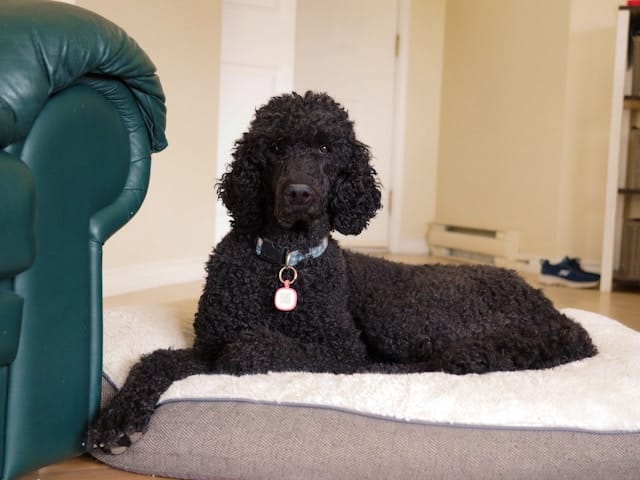
When people picture the ideal toy dog breed, the Toy Poodle consistently rises to the top of the list and for very good reason. Compact, curly-coated, and brilliantly sharp, the poodle toy dog is not just a pretty face on the end of a leash. It is a working dog’s brain packed inside one of the most charming small-dog bodies ever bred.
Whether you are a first-time dog owner, a family with young children, or someone living in a city apartment, the Toy Poodle adapts with remarkable ease. In this complete breed guide, you will find everything you need from size and temperament to grooming schedules, training strategies, health concerns, and feeding guidelines to give your poodle toy dog the best possible life.
Quick Fact: The Toy Poodle is the smallest variety of the three official Poodle sizes recognized by the American Kennel Club (AKC): Standard, Miniature, and Toy.
Table of Contents
Toy Poodle Breed Overview
| Feature | Details |
|---|---|
| Breed Group | Toy Group |
| Height | Up to 10 inches at the shoulder |
| Weight | 4–6 lbs |
| Lifespan | 12–18 years |
| Coat Type | Dense, curly, low-shedding |
| Hypoallergenic | Yes (low-dander coat) |
| Energy Level | Moderate to high |
| Good with Kids? | Excellent toy dog for kids |
| AKC Recognition | Yes |
History of the Poodle Toy Dog
The Poodle’s origins are widely debated, but most historians agree that the breed was refined in Germany as a water retriever before becoming a French national icon. The word “Poodle” derives from the German Pudel, meaning “to splash in water.”
The Toy Poodle emerged later, bred selectively for companionship rather than fieldwork. By the 18th century, European nobility particularly in France had fallen completely in love with the miniaturized version of the breed. French circus performers also prized Toy Poodles for their extraordinary trainability and showmanship.
Today, the poodle toy dog is recognized globally as a toy dog representative species a breed that perfectly exemplifies everything the toy dog category is meant to be: small in stature, big in personality, and deeply bonded to humans.
Toy Poodle Size: How Small Is the Smallest Toy Dog Breed?
The Toy Poodle is legitimately one of the smallest toy dog breeds available. According to AKC standards:
- Height: 10 inches or under at the withers
- Weight: Typically 4–6 lbs (some breeders produce “teacup” varieties weighing 2–3 lbs, though these are not officially recognized and carry greater health risks)
The mini toy dog distinction matters here. Do not confuse the Toy Poodle with the Miniature Poodle, which stands 10–15 inches and weighs 10–15 lbs. The Toy is consistently smaller. If you are looking for the smallest poodle variant officially recognized by major kennel clubs, the Toy Poodle is your answer.
Toy Poodle Temperament: What to Expect
The temperament of the poodle toy dog is one of its greatest selling points. Here is what makes it so uniquely suited to so many different lifestyles:
Intelligence
Toy Poodles rank second in canine intelligence according to Stanley Coren’s landmark research in The Intelligence of Dogs. They learn new commands in fewer than five repetitions and obey first commands at a 95% rate or better. This makes training faster, more rewarding, and genuinely fun.
Affection & Bonding
Toy Poodles form deep, loyal attachments to their owners. They are not independent dogs they thrive on human company and can develop separation anxiety if left alone for long periods. If you work from home or have someone around most of the day, a poodle toy dog will flourish.
Playfulness
Despite their elegant appearance, Toy Poodles are genuinely playful and fun-loving. They enjoy interactive games, fetch, puzzle toys, and even agility courses scaled to their size.
Good with Children and Other Pets
The Toy Poodle is an excellent toy dog for kids, especially children who are taught to handle small dogs gently. They generally get along well with other dogs and cats when properly socialized early.
Alert and Vocal
Toy Poodles make attentive watchdogs. They will bark to alert you to strangers or unusual activity. This can be managed through training but is worth knowing if you live in a noise-sensitive building.
Toy Poodle Grooming: Caring for That Poofy, Fluffy Coat
The poofy toy dog look is iconic but it comes with a real commitment to grooming. Here is what you need to know.
Coat Characteristics
The Toy Poodle’s coat is dense, curly, and grows continuously (much like human hair). It does not shed significantly, which is why the breed is considered hypoallergenic and popular among allergy sufferers. However, because the coat does not shed, it mats quickly if not brushed regularly.
Daily Brushing
Brush your poodle toy dog daily or at minimum every other day using a slicker brush and a metal comb. Pay special attention to areas prone to matting: behind the ears, under the armpits, and around the collar.
Professional Grooming Schedule
Plan for a professional grooming appointment every 6–8 weeks. Common Toy Poodle haircut styles include:
- Puppy Clip – a uniform, rounded trim across the body; popular for pet owners
- Continental Clip – the traditional show cut with pom-poms on the hips and ankles
- Teddy Bear Cut – a rounded, plush style that emphasizes the fluffy toy dog aesthetic
- Lamb Cut – short all over with a rounded head; easy to maintain
Bathing
Bathe your Toy Poodle every 3–4 weeks using a gentle, dog-specific shampoo. Always dry the coat thoroughly to prevent skin irritation and odor.
Additional Grooming Tasks
- Ears: Check and clean weekly. Toy Poodles are prone to ear infections because their floppy ears trap moisture and their ear canals grow hair.
- Teeth: Brush 2–3 times per week minimum. Small breeds are especially prone to dental disease.
- Nails: Trim every 3–4 weeks or when you hear clicking on hard floors.
- Eyes: Wipe gently around the eyes daily to prevent tear staining, a common concern in fluffy toy dogs with light-colored coats.
Training the Toy Poodle: Tips That Actually Work
Training a poodle toy dog is one of the most rewarding experiences in pet ownership. Their intelligence means they pick up skills fast but it also means they get bored fast.
Start Early
Begin training and socialization as soon as your Toy Poodle puppy comes home, ideally between 8–12 weeks of age. Early exposure to different people, sounds, environments, and animals is critical for a well-adjusted adult dog.
Use Positive Reinforcement
Toy Poodles respond exceptionally well to reward-based training. Use small, high-value treats, verbal praise, and play as rewards. Avoid harsh corrections they are sensitive dogs that shut down under pressure.
Keep Sessions Short and Varied
Five to ten minutes of focused training, two to three times per day, outperforms one long session. Vary the commands you practice to keep your Toy Poodle mentally stimulated.
Key Commands to Prioritize
- Sit, Stay, Come, Down (foundation commands)
- Leave it (essential for small dogs who can choke on foreign objects)
- Quiet (to manage barking behavior)
- Crate training (for safety and reducing separation anxiety)
Mental Enrichment
Beyond obedience, Toy Poodles thrive with puzzle feeders, hide-and-seek games, and learning tricks. The more you challenge their minds, the calmer and more content they will be.
Exercise Needs: How Much Activity Does a Toy Poodle Need?
Despite their small size, Toy Poodles have moderate-to-high energy levels. They need:
- 20–30 minutes of exercise per day, split into two walks
- Indoor playtime to supplement outdoor exercise
- Mental stimulation through training, games, or puzzle toys
They are well-suited to apartment living as long as their exercise and enrichment needs are consistently met. Avoid over-exercising Toy Poodle puppies under 12 months, as their growth plates are still developing.
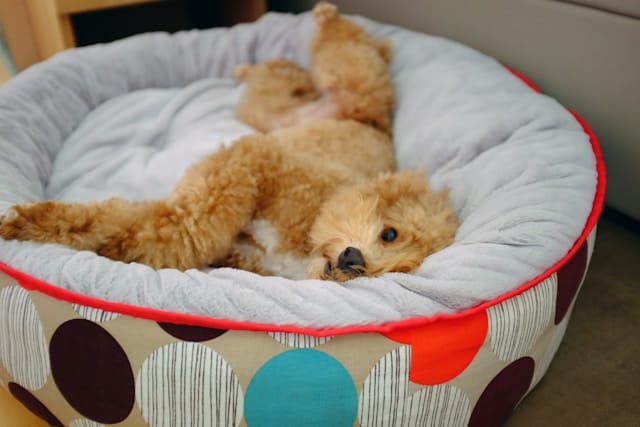
Toy Poodle Health: What Every Owner Should Know
The poodle toy dog is generally a healthy breed, especially compared to many other toy dog breeds that suffer from extreme brachycephalic (flat-faced) issues. However, they do carry some breed-specific health predispositions.
Common Health Concerns
Patellar Luxation The kneecap slips out of its groove a common condition in small and toy breeds. Mild cases may not require treatment; severe cases may need surgery.
Progressive Retinal Atrophy (PRA) A hereditary eye condition that causes gradual vision loss. Responsible breeders test for PRA before breeding.
Legg-Calvé-Perthes Disease Deterioration of the femoral head in the hip joint, causing pain and lameness. Typically treated with surgery.
Epilepsy Toy Poodles have a higher-than-average incidence of idiopathic epilepsy. If your dog has a seizure, contact your veterinarian immediately.
Dental Disease As with most small breeds, Toy Poodles are highly susceptible to periodontal disease. Regular brushing and dental check-ups are non-negotiable.
Addison’s Disease A hormonal disorder affecting the adrenal glands Poodles as a breed carry elevated risk.
Choosing a Healthy Puppy
Always purchase from a reputable breeder who:
- Performs OFA health testing on parent dogs (hips, eyes, patellas)
- Provides health certificates and genetic screening results
- Allows you to meet the parents and visit the breeding environment
- Offers a health guarantee
Feeding the Toy Poodle: Diet and Nutrition Guide
Toy Poodles have small stomachs and fast metabolisms. Getting their diet right is important for long-term health.
How Much to Feed
- Puppies (8 weeks–6 months): 3–4 small meals per day
- Adults (1 year+): 2 meals per day, totaling roughly ¼ to ½ cup of high-quality dry kibble, depending on activity level and caloric density of the food
Always follow the feeding guidelines on your chosen dog food label and adjust based on your individual dog’s weight and vet’s advice.
What to Look for in a Toy Poodle Food
- High-quality protein as the first ingredient (chicken, turkey, salmon, or lamb)
- Small-breed-specific formula for appropriate kibble size and calorie density
- Omega-3 and Omega-6 fatty acids to support coat health
- No artificial preservatives, colors, or fillers
Foods to Avoid
- Grapes and raisins
- Chocolate and xylitol (extremely toxic)
- Onions and garlic
- Macadamia nuts
- Cooked bones
Supplements
Talk to your vet about fish oil for coat health, probiotics for digestive health, and dental chews as part of your Toy Poodle’s oral care routine.

Toy Poodle vs. Doodle Toy Dog: What’s the Difference?
A growing number of potential owners search for a doodle toy dog, referring to Poodle crossbreeds like the Toy Goldendoodle, Toy Labradoodle, or Toy Cockapoo. These are intentional mixed-breed dogs that combine the Toy Poodle’s hypoallergenic coat and intelligence with the temperament of another breed.
| Toy Poodle | Doodle Toy Dog (e.g., Toy Goldendoodle) | |
|---|---|---|
| Purebred | Yes | No (hybrid) |
| AKC Recognition | Yes | No |
| Size Consistency | Very predictable | Variable |
| Coat | Curly, low-shed | Wavy to curly, varies |
| Health Screening | Standardized | Less standardized |
| Cost | $1,000–$2,500 | $2,000–$5,000+ |
Both can make wonderful pets. The purebred Toy Poodle, however, offers more predictability in size, temperament, and health outcomes.
How the Toy Poodle Compares to Other Toy Dog Breeds
If you are exploring toy dog breeds before making a final decision, here is how the Toy Poodle stacks up against some common alternatives:
Toy Poodle vs. Russian Toy Dog
The Russian Toy Dog (also known as the Russkiy Toy) is an elegant, fine-boned breed from Russia. It is slightly smaller than the Toy Poodle and comes in both smooth and long-coated varieties. While charming, the Russian Toy is less hypoallergenic and generally less trainable than the Toy Poodle.
Toy Poodle vs. Chihuahua
Chihuahuas are among the smallest toy dog breeds by weight, often hitting 2–6 lbs. However, they tend to be more stubborn, less hypoallergenic, and can be more challenging with young children compared to the Toy Poodle.
Toy Poodle vs. Yorkshire Terrier
The Yorkie is another iconic fluffy toy dog, but it sheds more than a Poodle and requires a significant grooming commitment for its long, silky coat. Toy Poodles are generally easier to train.
Toy Poodle vs. Maltese
The Maltese is famously gentle and affectionate but lacks the Toy Poodle’s intelligence and trainability. Both are low-shedding, making them strong candidates for allergy-sensitive households.
Is a Toy Poodle the Right Dog for You?
The Toy Poodle is ideal if you:
- Want a hypoallergenic dog that is low-shedding
- Live in an apartment or a smaller home
- Have children who handle dogs gently
- Enjoy training and mental engagement with your pet
- Are looking for a long-lived companion (12–18 years)
- Want a toy dog for kids that is also adaptable and easy to travel with
The Toy Poodle may not be ideal if you:
- Cannot commit to regular professional grooming
- Work long hours and cannot arrange for company or dog care
- Want a more independent, less velcro-type dog
- Are looking for a guard dog with any real physical deterrent
Bringing Your Toy Poodle Home: First-Week Checklist
- ✅ Small-breed puppy food (or adult formula if adopting an older dog)
- ✅ Appropriately sized crate with a soft bed
- ✅ Slicker brush, metal comb, and dog-safe shampoo
- ✅ Collar, harness (recommended for Toy breeds to protect the trachea), and leash
- ✅ Identification tag and microchip registration
- ✅ Vet appointment within 48–72 hours of arrival
- ✅ Puppy-proofed living space (remove toxic plants, secure wires, block small gaps)
- ✅ Puzzle toys and chew-safe toys for enrichment
- ✅ Puppy training class enrolled or scheduled
Frequently Asked Questions About the Poodle Toy Dog
How big does a Toy Poodle get? A fully grown Toy Poodle stands no more than 10 inches at the shoulder and typically weighs between 4 and 6 pounds.
Are Toy Poodles good for first-time dog owners? Yes. Their intelligence, trainability, and affectionate nature make poodle toy dogs an excellent choice for first-time owners willing to invest in grooming and socialization.
Do Toy Poodles bark a lot? They are moderately vocal and will alert bark. With consistent training, excessive barking can be well managed.
How long do Toy Poodles live? The average Toy Poodle lifespan is 12–18 years, significantly longer than many larger breeds.
Are Toy Poodles hypoallergenic? No dog is 100% hypoallergenic, but Toy Poodles produce less dander and shed minimally, making them one of the best choices for allergy sufferers.
How much does a Toy Poodle cost? From a reputable breeder, expect to pay $1,000–$2,500. Rescue organizations sometimes have Toy Poodles available for $200–$500 in adoption fees.
Can Toy Poodles be left alone? Toy Poodles can tolerate being alone for short periods (3–4 hours maximum) but are prone to separation anxiety. If you work full-time, arrange for a dog walker or doggy daycare.
Final Thoughts: The Poodle Toy Dog Deserves Its Reputation
The poodle toy dog earns its place at the top of the toy dog breeds list every single year not through marketing or fleeting trend, but through genuine excellence as a companion animal. It is intelligent enough to challenge even experienced trainers, gentle enough to curl up with a toddler, adaptable enough for a studio apartment, and long-lived enough to be a true life companion.
If you are searching for a small dog that delivers on every front temperament, trainability, hypoallergenic coat, and sheer charm the Toy Poodle is genuinely hard to beat.
Photo by Kaleb Simanton on Unsplash
Zingi is a digital content creator and pet enthusiast with a passion for helping animal lovers make smarter, more informed decisions. With hands-on experience researching dog breeds, pet care routines, and tech products, Zingi writes guides that cut through the noise and focus on what actually matters for everyday pet owners and tech users.