
Only pets are not accessories. They are living companions who depend entirely on the decisions you make for them what they eat, where they sleep, how often they exercise, and whether they feel safe and understood. Whether you’ve just welcomed your first pet or you’ve shared your home with animals your whole life, there’s always more to know. This guide covers the essentials of responsible pet ownership across the full spectrum dogs, cats, and small pets with practical advice grounded in animal behavior and veterinary science.
Table of Contents
Why Only Pets Matter More Than Most People Realize
The relationship between humans and domestic animals is one of the oldest partnerships on earth. Dogs have lived alongside people for at least 15,000 years. Cats, for around 10,000. And yet, millions of pets are surrendered to shelters every year often because owners weren’t prepared for what the relationship actually requires.
Understanding your pet their species-specific needs, communication signals, and behavioral patterns is the foundation of everything else. A dog that destroys furniture isn’t “bad.” A cat that scratches walls isn’t “spiteful.” These are animals expressing needs that aren’t being met, in the only language available to them. 67% of US households own at least one pet. 6.5M animals enter shelters in the US each year. 15yr+ average bond between dogs and humans through history
The good news is that most common pet problems aggression, anxiety, destructive behavior are solvable with the right knowledge and consistency. You don’t need to be an expert. You just need to be informed and patient.
Choosing the Right Only Pets for Your Lifestyle
The most common mistake new pet owners make is choosing based on appearance rather than compatibility. A breed or species that looks appealing in photos may be entirely wrong for your home, schedule, or experience level.
Dogs
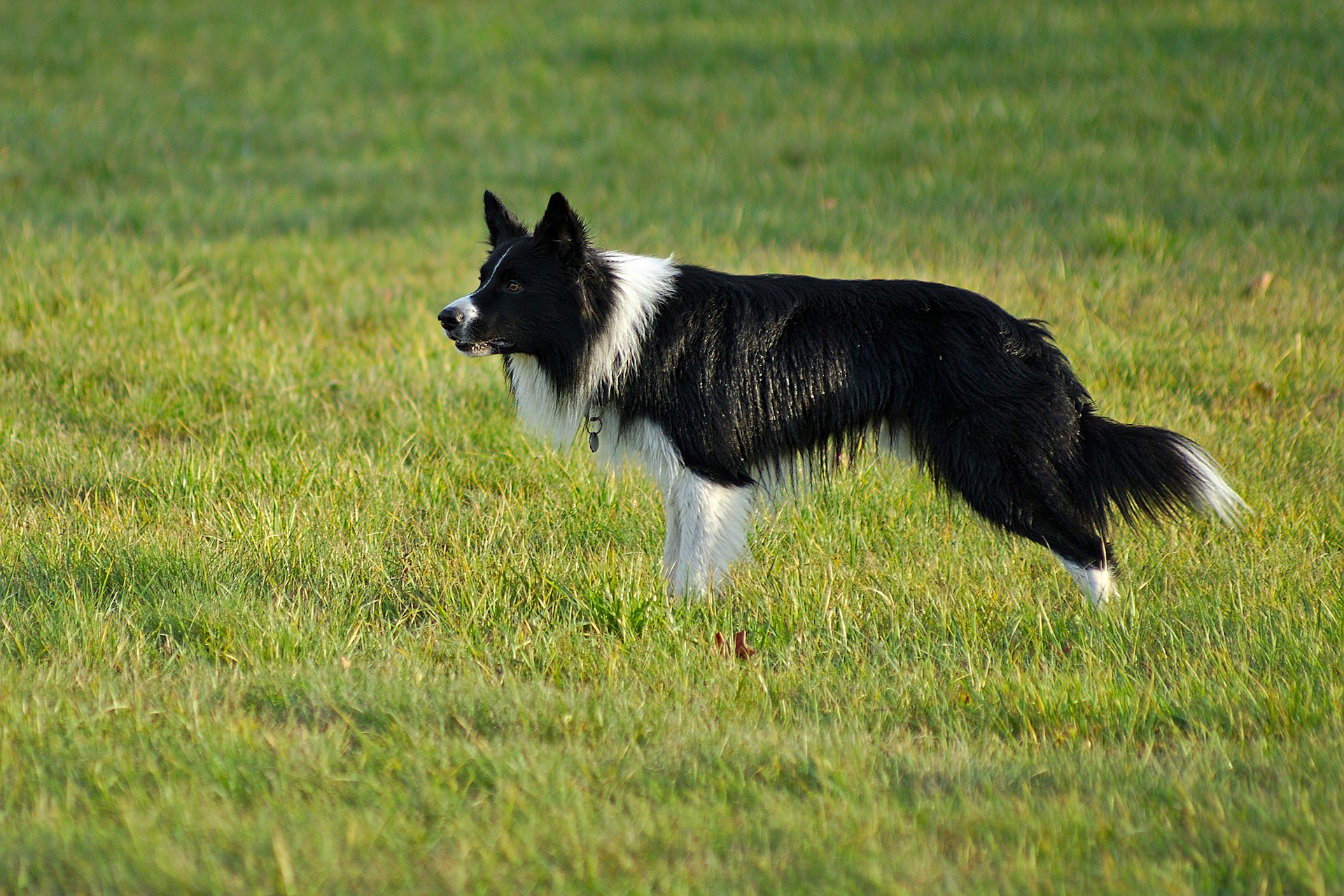
Dogs are the most time-intensive common pet. They need daily exercise, social interaction, training, and mental stimulation. High-energy breeds Border Collies, Huskies, Jack Russell Terriers require significantly more than the average owner expects. If you live in an apartment and work full-time, a calm, lower-energy breed is a much better fit than a working dog bred to run for hours.
If space and energy are a concern, consider reading about the top 15 lazy dog breeds for apartments a useful starting point for matching breed temperament to your actual lifestyle. Mixed-breed and designer dogs also deserve consideration. Cavapoos, for example, are a popular crossbreed whose adult size surprises many owners understanding what you’re committing to long-term matters before you bring any dog home.
Cats
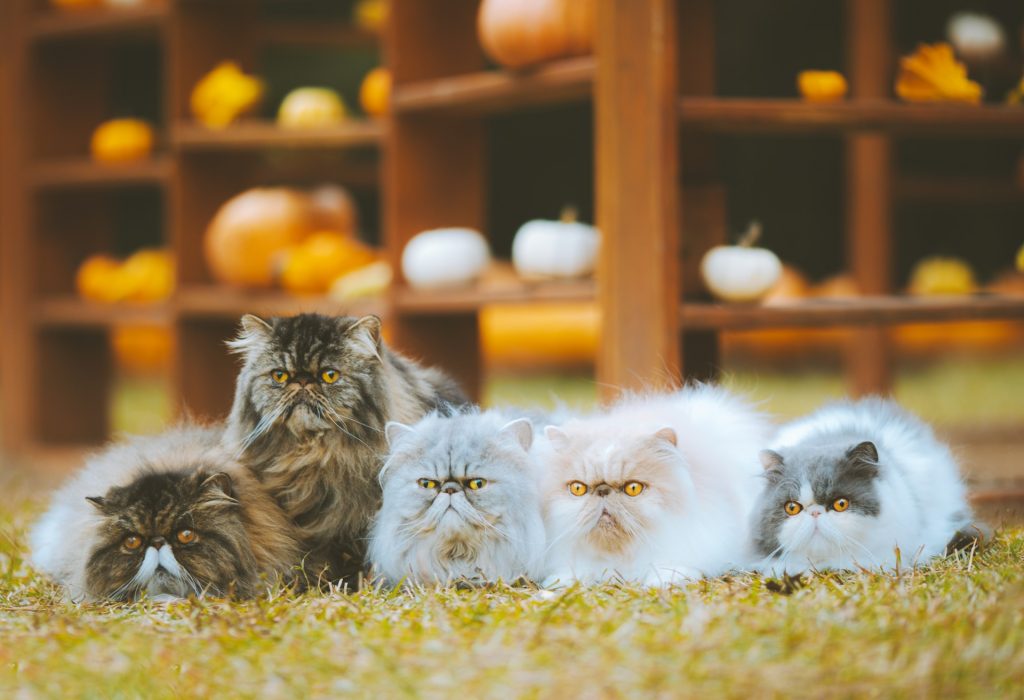
Cats are often described as “low maintenance,” which is misleading. They require less hands-on time than dogs, but they have complex social and environmental needs that are easy to underestimate. Most behavior problems in cats scratching, aggression, not using the litter box trace back to stress, insufficient enrichment, or mismatched household dynamics.
If you’re drawn to specific feline traits, breed research matters. Large-eared cat breeds, for example, often come with high intelligence and energy needs that differ from typical domestic cats. Know what you’re choosing before you fall in love with a photo.
Small pets
Rabbits, guinea pigs, hamsters, and birds are sometimes treated as “starter pets” for children, but each has specific welfare needs that are just as real as those of dogs and cats. Rabbits, for example, are highly social and suffer in isolation. Many small pets live far longer than people expect some parrots outlive their owners.
Only Pets Nutrition: What Your Animal Actually Needs to Eat
Feeding your pet is one area where good intentions often lead owners in the wrong direction. Marketing terms like “natural,” “grain-free,” and “premium” on pet food packaging don’t always translate to nutritional quality. Understanding the basics of animal nutrition helps you make better decisions without needing a veterinary degree.
Dogs
Dogs are omnivores they can thrive on a balanced diet that includes both animal protein and plant-based carbohydrates. The key word is balanced. Home-prepared diets that aren’t formulated by a veterinary nutritionist are often deficient in specific minerals and vitamins, even when they look healthy. Complete commercial diets with AAFCO or equivalent approval are a reliable baseline for most dogs.
Fresh water must always be available. Obesity is one of the most common preventable health problems in dogs treats should account for no more than 10% of daily calorie intake.
Cats
Cats are obligate carnivores. Unlike dogs, they cannot synthesize certain amino acids including taurine and arginine and must obtain them through animal protein. A cat fed a vegetarian or vegan diet without careful veterinary supervision faces serious health risks. This is not a lifestyle choice that can be safely imposed on a cat.
Many cats are naturally low water drinkers and are prone to urinary tract problems as a result. Wet food, even as a partial component of the diet, helps maintain hydration and supports urinary health.
Common feeding mistake
Free-feeding dry food (leaving a bowl out all day) is one of the biggest contributors to feline obesity. Scheduled meals give you much better visibility into how much your cat is actually eating and lets you notice changes in appetite early.
Understanding Only Pets Behavior and Body Language
Animals communicate constantly through posture, ear position, tail movement, vocalizations, and facial expression. Learning to read these signals accurately reduces frustration, prevents misunderstandings, and strengthens your bond with your pet.
Dog body language
A wagging tail does not automatically mean a happy dog. The speed, height, and stiffness of the wag all carry different meanings. A slow, stiff wag held high is often a sign of tension, not friendliness. Whale eye (whites of the eyes showing), a tucked tail, and ears flat against the head all signal discomfort or fear. Understanding these signals prevents many bites dogs rarely bite without warning. Humans just miss the warnings.
Dogs also communicate through behavior that looks strange out of context. The “blep” that moment when a dog’s tongue partially hangs out of its mouth is something many owners find charming without knowing what drives it. Understanding what a dog blep actually means and when it could signal a medical issue is worth knowing.
Cat body language
Cats communicate with subtlety that owners frequently misread. Slow blinking is a sign of trust and relaxed comfort you can return the gesture. A tail held high and slightly curved at the tip is a greeting. Flattened ears and a thrashing tail signal overstimulation this is often the point just before a cat bites during petting, when the owner thought everything was fine.
Cat sleeping habits also reveal a lot about how safe and comfortable an animal feels in their environment. Which person a cat chooses to sleep with is actually a meaningful behavioral signal about trust and attachment, not just warmth preference.
If you’ve ever noticed your cat or dog leaving their tongue slightly out the “blep” it’s more common across species than most people realize. The science behind blep behavior in both cats and dogs has some genuinely interesting explanations rooted in neurological relaxation and jaw muscle position.

Only Pets Health: Preventive Care That Actually Makes a Difference
The most expensive veterinary bills are usually the ones that were preventable. Routine preventive care vaccinations, parasite control, dental hygiene, and regular check-ups costs a fraction of what emergency or chronic illness treatment costs, and keeps your pet healthier for longer.
Vaccination schedules
Core vaccines for dogs include distemper, parvovirus, adenovirus, and rabies. For cats, the core vaccines cover feline herpesvirus, calicivirus, panleukopenia, and rabies. Your vet will recommend a schedule based on your pet’s age, lifestyle, and regional disease risks. These are not optional maintenance items several of the diseases they prevent are fatal and have no treatment.
Parasite control
Fleas, ticks, and intestinal worms are year-round concerns in most climates, not just summer problems. Flea infestations in particular escalate very quickly by the time you see fleas on your pet, there are likely hundreds of eggs in your carpets and furniture. Choosing the right flea treatment for cats is more nuanced than it seems, since some products safe for dogs are toxic to cats.
Dental health
Dental disease affects over 80% of pets over age three. Bad breath is the visible sign tooth root abscesses, painful gum disease, and difficulty eating are what’s happening underneath. Daily tooth brushing with pet-safe toothpaste is the gold standard. Dental chews and water additives help but are not substitutes for mechanical cleaning.
Worth knowing
Signs of pain in animals are often subtle reduced activity, reluctance to eat hard food, or behavioral changes. Pets evolved to conceal vulnerability, so visible signs of discomfort usually mean the problem has been present for some time.
Mental Health and Enrichment for Only Pets
Physical needs food, water, shelter, veterinary care are the baseline. But pets also have psychological needs that are just as real and just as frequently neglected. Boredom, loneliness, and under-stimulation drive a significant proportion of the behavioral problems owners find most frustrating.
Mental enrichment for dogs
A dog’s nose is its primary sense organ sniffing is mentally exhausting in the best possible way. Scatter feeding (hiding kibble in grass or a snuffle mat), puzzle feeders, and regular sniff walks where the dog sets the pace are all high-value enrichment activities that tire a dog out more effectively than physical exercise alone.
Sleep is also an underappreciated part of canine wellness. Research into whether dogs dream during sleep has produced some genuinely fascinating findings about REM cycles in dogs and what they may be processing during rest.
Mental enrichment for cats
Indoor cats in under-enriched environments are at high risk of stress-related illness, obesity, and behavioral problems. Vertical space (shelving, cat trees), window access, and opportunities to express predatory behavior through play are non-negotiable for wellbeing. A laser pointer is not a complete play session cats need to end a hunt by catching something. Using a wand toy that ends with a physical “catch” is much more satisfying for the animal.
Some cats also benefit enormously from outdoor access in a controlled form a secure catio or supervised garden time. The decision about which human in the household a cat bonds most closely with often reflects who provides the richest enrichment and the most respectful interaction.

Building a Long-Term Relationship With Your Pet
The pets that thrive are the ones whose owners invest time in understanding them not just caring for their physical needs, but learning how they think, what they’re communicating, and what they actually enjoy. This is different from anthropomorphizing (projecting human emotions and motivations onto animals), which often leads to misunderstandings. It means learning to see the world from your pet’s perspective, on their terms.
Consistency is the single most powerful thing you can do. Consistent routines, consistent rules, consistent responses to behavior these create the predictability that allows animals to feel safe. A pet that feels safe is a pet that can relax, bond, learn, and thrive.
For authoritative guidance on responsible pet care practices, the World Pet Association provides industry standards and welfare-focused resources that are worth bookmarking as a reference.
Frequently Asked Questions About Pet Ownership
What is the easiest only pets to own for a first-time owner?
There is no universally “easy” pet every animal has welfare needs that must be met. That said, adult cats (rather than kittens), certain dog breeds with calm temperaments, and well-socialized rabbits tend to be more manageable for first-time owners who have done their research.
How do I know if my pet is healthy?
Key signs of a healthy pet include a consistent appetite, bright and clear eyes, clean ears, a coat in good condition, regular normal stools, and normal energy levels for their age. Any sudden change in these areas warrants a vet visit animals hide illness, so noticeable changes often mean the problem is already advanced.
How much does it cost to own a pet per year?
Annual costs vary enormously by species, size, and health status. A medium-sized dog can cost $1,000–$3,000 per year in routine care. Cats typically run $800–$1,500. Unexpected veterinary bills can easily double or triple these numbers. Pet insurance is worth considering, especially for breeds with known health predispositions.
Is it better to get one pet or two?
For social species like dogs and guinea pigs, companionship is genuinely beneficial. For cats, it depends heavily on the individual animal some cats are solitary by preference and adding a second cat causes chronic stress. Introduction method and individual temperament matter more than a general rule.
How do I stop my pet from destructive behavior?
Destructive behavior in pets almost always signals an unmet need insufficient exercise, boredom, anxiety, or frustration. Punishment typically makes these behaviors worse by adding stress. Address the underlying cause, increase enrichment, and use positive reinforcement to redirect to appropriate behaviors.
When should I take my pet to the vet urgently?
Seek emergency veterinary care immediately for: difficulty breathing, collapse or inability to stand, suspected poisoning, severe bleeding, inability to urinate (especially in cats this is life-threatening), seizures, or severe vomiting and diarrhea. When in doubt, call your vet. They would always rather reassure you it’s nothing than see a pet who waited too long.
Do pets get lonely when left alone?
Yes, particularly dogs, who are highly social animals. Separation anxiety is a genuine clinical condition in dogs that causes significant distress. Cats vary: some are content alone for reasonable periods, while others show stress responses. Enrichment, routine, and graduated alone-time training all help manage this effectively.
Caring Well Is an Ongoing Practice

Responsible pet ownership is not a checklist you complete once. It’s a relationship that evolves as your pet ages, as your circumstances change, and as you learn more about what your individual animal actually needs. The owners who do it best are the ones who stay curious, stay consistent, and never stop paying attention to what their pet is communicating. That attention is what transforms a pet owner into a true companion.
Explore more on NextFinds→ Pawsome Care: All our pet health, behavior, and breed guides in one place
Photo by Jametlene Reskp on Unsplash
Zingi is a digital content creator and pet enthusiast with a passion for helping animal lovers make smarter, more informed decisions. With hands-on experience researching dog breeds, pet care routines, and tech products, Zingi writes guides that cut through the noise and focus on what actually matters for everyday pet owners and tech users.