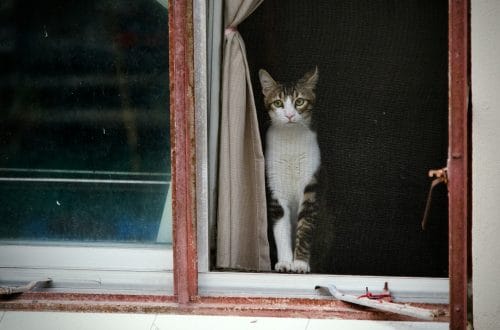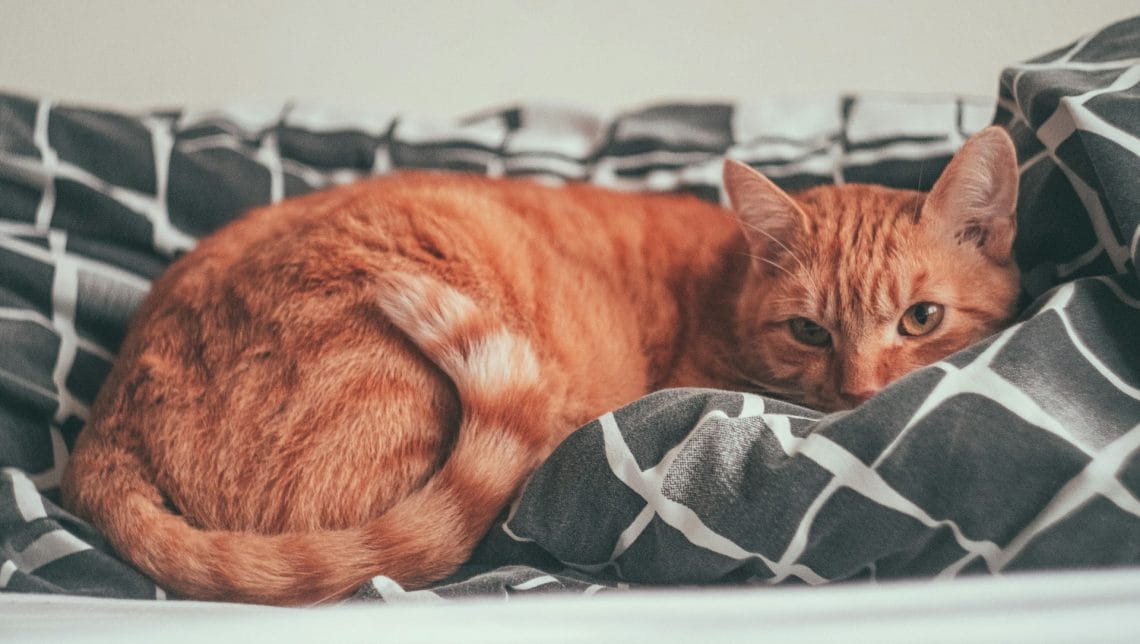
Do cats know when you are sick and the evidence behind this goes well beyond owner intuition. Cats have sensory abilities that far exceed our own, and research into animal behavior increasingly supports the idea that cats can detect physical and emotional changes in the people they live with. Whether your cat is picking up on a shift in your scent, your behavior, or your body temperature, something measurable is happening when you’re unwell and your cat won’t leave your side.
Table of Contents
How Cats Detect Sickness in Humans
To understand how cats detect sickness, you have to start with what cats are actually capable of sensing.
Smell is the most significant factor. A cat’s sense of smell is estimated to be 14 times more powerful than a human’s, with roughly 200 million scent receptors compared to our 5 million. When your body is fighting illness whether that’s a viral infection, a bacterial invasion, or something more serious your biochemistry changes. Metabolic byproducts, changes in hormone levels, and compounds released by immune activity all alter the way you smell. To a cat, these changes are likely obvious in a way that no human nose would detect.
This isn’t unique to cats. Dogs have been formally trained to detect certain cancers, infections, and even blood sugar changes in diabetics through scent alone. Cats haven’t been trained in the same systematic way, but the underlying sensory hardware is comparable and anecdotal evidence from owners is extensive.
Body temperature is another cue. Cats are drawn to warmth, and a fever raises your surface temperature measurably. Many owners report their cats becoming unusually clingy during fevers specifically and this tracks with what we know about cats seeking out the warmest available spot.
Behavioral cues round out the picture. Cats are highly attuned to routine. They notice when you stay in bed past your usual time, when your movement patterns change, when your voice sounds different, or when your normal interactions with them shift. Sickness disrupts routine in dozens of subtle ways that a cat living in close proximity would register.
Signs Your Cat Knows You Are Sick
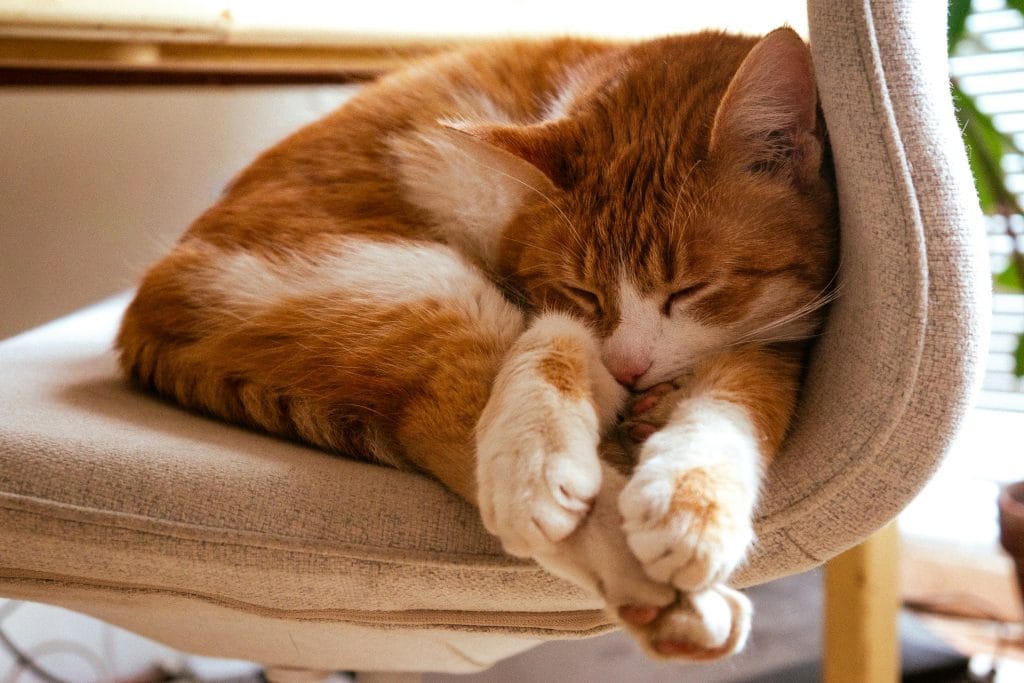
Cats don’t announce what they’ve noticed; they just change how they behave around you. Here’s what that tends to look like:
- Increased closeness – a cat that normally keeps its distance suddenly wants to sit on or next to you
- Staying near your face or chest – positioning near areas where scent and breath are strongest
- Unusual stillness with you – less playing, more watching and proximity
- Following you from room to room – a cat that doesn’t usually do this may start when you’re unwell
- Kneading or purring more than usual – some cats increase comfort behaviors around sick owners
- Sleeping on or against you – particularly on areas of the body that are in pain or inflamed, which may radiate more heat
- Vocalizing more – some cats become more talkative, as if checking in
Not every cat responds this way. Some cats become more distant when their owner is ill the change in smell or behavior may be unsettling rather than triggering a comfort response. Personality, the individual cat’s bond with you, and their past experiences all shape how they react.
What Research Says About Cats and Human Illness
Direct scientific research on cats and human illness is limited compared to dog studies, but what exists is suggestive and the broader animal behavior literature supports the plausibility strongly.
Studies on dogs detecting cancer through scent have shown accuracy rates above 90% in controlled conditions for certain cancers, including lung, breast, and colorectal cancer. The compounds these dogs are detecting volatile organic compounds released by abnormal cells are the same type of biochemical signals a cat’s nose is equipped to pick up.
A widely discussed case involved a therapy cat named Oscar, living in a Providence, Rhode Island nursing home. Oscar consistently chose to sit with patients in the final hours before death with an accuracy that staff eventually began using as a clinical predictor. His behavior was documented and published in the New England Journal of Medicine in 2007. Whether Oscar was detecting the specific scent of cellular breakdown, changes in body temperature, or behavioral cues from staff is debated but something was consistently triggering his response.
Research on cats and human emotion is more developed. A 2019 study published in Animal Cognition found that cats adjust their behavior based on their owner’s emotional state approaching more when owners appeared stressed or sad, and mirroring some aspects of owner mood. This suggests cats are monitoring human state more actively than their reputation for indifference implies.
The honest scientific position is this: we don’t yet have the controlled studies to say definitively how cats detect sickness or with what reliability. But the sensory biology is there, the behavioral observations are consistent, and the parallel evidence from dogs is strong. Most animal behaviorists consider it more likely than not that cats can and do detect illness in familiar humans.
Can Cats Sense Serious Illness or Approaching Death?
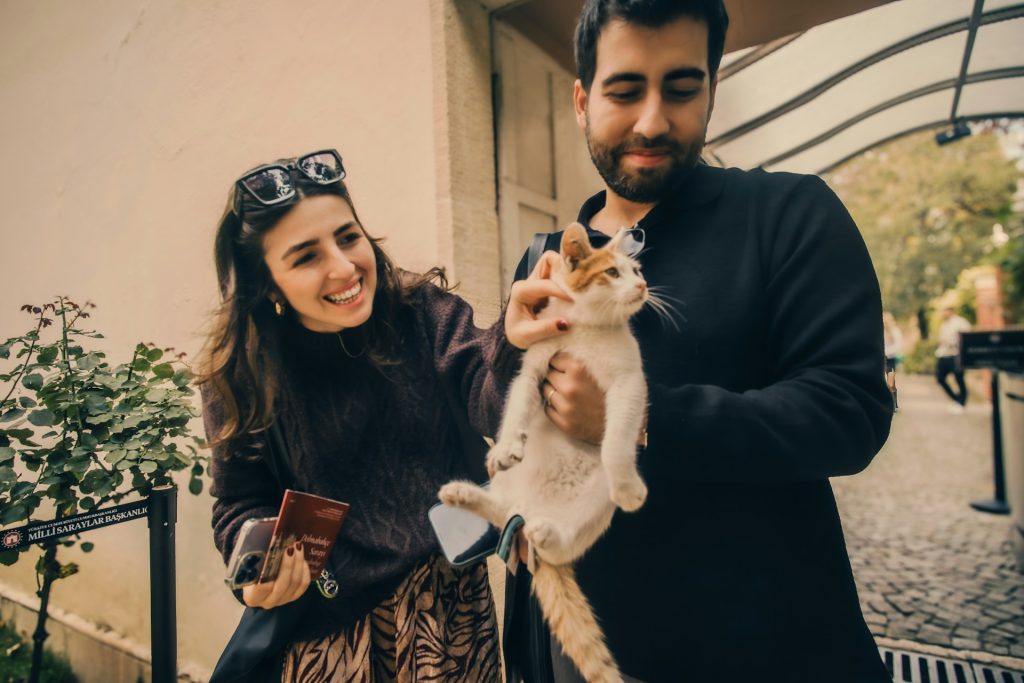
This is where the question of do cats detect sickness gets most interesting and most discussed.
Beyond everyday illness, there are consistent reports of cats behaving differently around people with serious conditions cancer, heart failure, dementia, and terminal illness. Oscar’s case is the most documented, but similar accounts appear in medical literature and in surveys of hospice and nursing home staff.
The leading hypothesis is scent-based. Dying cells and metabolic breakdown produce specific volatile organic compounds that differ from those produced by healthy tissue. Cats, with their powerful olfactory systems, may detect these at concentrations far below what any human could perceive.
Changes in body temperature as organ function declines are also significant. A body that is shutting down regulates temperature differently and a heat-seeking cat may register this before any visible clinical sign appears.
It’s important to be honest about what we don’t know here. These cases are compelling and numerous, but they haven’t been studied with the rigor applied to disease-detecting dogs. The mechanisms are plausible. The anecdotal pattern is consistent. But calling it proven would go further than the evidence currently supports.
What’s reasonable to say: cats almost certainly pick up on something when humans are seriously ill, and their behavioral response to it is real and documented.
Why Some Cats React Differently
Not every cat becomes a devoted nurse when their owner is sick. Some retreat. Some seem completely unaffected. Several factors explain the variation.
Personality and temperament matter enormously. A confident, socially bonded cat is far more likely to seek out and stay with a sick owner than an anxious or avoidant one.
The strength of the human-cat bond is a significant predictor. Cats that spend a lot of time in close physical contact with their owners are more likely to notice and respond to changes in them.
Previous experience shapes response. A cat that has learned that being near a sick or distressed person leads to disruption loud sounds, sudden movements, strangers in the home may associate illness with stress and withdraw.
The nature of the illness may play a role too. A high fever produces strong, clear signals. A slow-developing chronic illness may produce subtler cues that some cats notice and others don’t.
There’s also genuine individual variation in cat sensory sensitivity that isn’t fully understood. Just as some humans have a more acute sense of smell than others, the same appears to be true across cats.
When to See a Vet – For Your Cat, Not You
This section flips the usual dynamic. If your cat’s behavior changes dramatically and consistently sudden clinginess, following you everywhere, unusual vocalizing, sleeping on specific parts of your body it’s worth paying attention to what your cat may be telling you.
There are documented cases of people seeking medical attention after a cat’s unusual behavior prompted them to investigate, and finding something that warranted treatment. Your cat is not a diagnostic tool, and this is not a replacement for regular health checkups. But consistent, unexplained changes in a cat’s behavior toward you are worth noting and mentioning to your doctor if they persist.
On the flip side: if your cat’s personality or behavior changes dramatically without any change in your own health or routine, that behavioral shift may signal that your cat is unwell. Cats often mask illness, and changes in social behavior becoming suddenly clingy or suddenly withdrawn can be early signs of pain or disease in the cat themselves. That warrants a vet visit.
Frequently Asked Questions
Do cats know when you are sick before you do? Possibly. Biochemical changes that precede obvious symptoms shifts in scent from immune activity, subtle temperature changes, altered body chemistry may be detectable to a cat’s nose before you feel noticeably unwell. There are enough consistent accounts of this to take it seriously, even without formal studies confirming it.
Can cats detect serious illnesses like cancer? The sensory biology suggests they could. Dogs have been formally studied and shown to detect certain cancers through scent with high accuracy. Cats have the same type of olfactory equipment but haven’t been studied systematically in the same way. The possibility is real; the proof isn’t yet there.
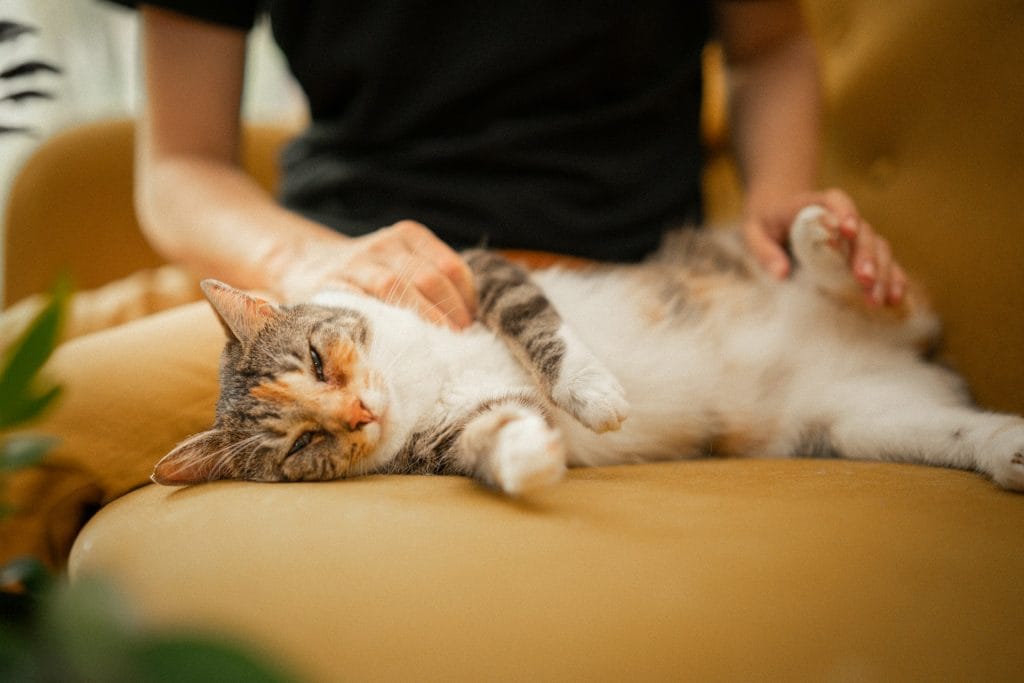
Why does my cat sit on me when I’m sick? Most likely a combination of warmth (fever raises your body temperature), behavioral change (you’re still, in bed, available), and scent change (your biochemistry shifts during illness). For cats bonded to their owners, this change may trigger a comfort or protective response.
Do cats try to heal you when you’re sick? Cats don’t have an intentional healing behavior in the way the idea implies. But purring which cats do increase around stressed or unwell owners produces vibrations in the 25–50 Hz range, which some research associates with tissue repair and pain relief. Whether this is intentional on the cat’s part is doubtful. Whether it has a real effect on the person is an open and interesting question.
Can cats sense depression and anxiety? Research supports this more strongly than physical illness detection. The 2019 Animal Cognition study found cats adjust their behavior based on owner emotional state. Many owners report their cats becoming more attentive during periods of depression or anxiety, which aligns with cats monitoring behavioral and possibly biochemical cues associated with emotional distress.
Why does my cat ignore me when I’m sick? Some cats find changes in owner scent or behavior unsettling rather than triggering closeness. An anxious cat, or one with a less secure bond, may withdraw when something about you seems different. This isn’t indifference to your state it may actually be a response to it.
Do cats understand that their owner is in pain? Cats almost certainly detect that something is different. Whether they understand pain as an experience is a harder philosophical question. What’s observable is that many cats change their behavior around owners who are in pain and some show what looks very much like a targeted comfort response.
Can my cat make me feel better when I’m ill? Yes and this one has decent evidence behind it. Cat ownership is associated with lower cortisol levels and reduced blood pressure. The act of stroking a cat triggers oxytocin release. Purring in the therapeutic frequency range may have direct physical effects. The psychological comfort of company during illness is real and measurable, regardless of what the cat intends.
The Bottom Line
Cats almost certainly know when something is different about you when you’re sick and for most cats bonded to their owners, that triggers a real behavioral response. The sensory biology is compelling, the parallel evidence from dogs is strong, and the consistency of owner accounts across cultures and decades is hard to dismiss.
What we can say with confidence: your cat is paying more attention to your physical and emotional state than their reputation for aloofness suggests. The next time your cat won’t leave your side while you’re run down with a cold, that’s not coincidence. it’s a sensitive animal responding to real signals.
For more on understanding your cat’s behavior and strengthening your bond with them, check out
Photo by Jan Crhonek on Unsplash
Zingi is a digital content creator and pet enthusiast with a passion for helping animal lovers make smarter, more informed decisions. With hands-on experience researching dog breeds, pet care routines, and tech products, Zingi writes guides that cut through the noise and focus on what actually matters for everyday pet owners and tech users.