Types of Pitbull Breeds: Understanding the Different Varieties and Their Unique Characteristics
Table of Contents
Introduction
When people talk about types of pitbull breeds, there’s often confusion about what exactly qualifies as a pitbull. The term “pitbull” isn’t actually a single breed but rather an umbrella term for several related breeds that share similar characteristics. Whether you’re a current owner or considering adding one of these loyal companions to your family, understanding the different varieties can help you make informed decisions about care, training, and what to expect from your four-legged friend.
Understanding the Pitbull Family
The types of pitbull breeds commonly recognized today all trace their roots back to England, where they were originally bred for bull-baiting and later dog fighting. When these dogs came to America, they were developed into distinct breeds with slightly different characteristics, though they all maintain the muscular build, strong jaw, and loyal temperament that defines the pitbull family.
The most commonly accepted types of pitbull breeds include:
- American Pit Bull Terrier
- American Staffordshire Terrier
- Staffordshire Bull Terrier
- American Bulldog (sometimes included)
Each of these breeds has unique traits, though they share many similarities in appearance and temperament.
American Pit Bull Terrier
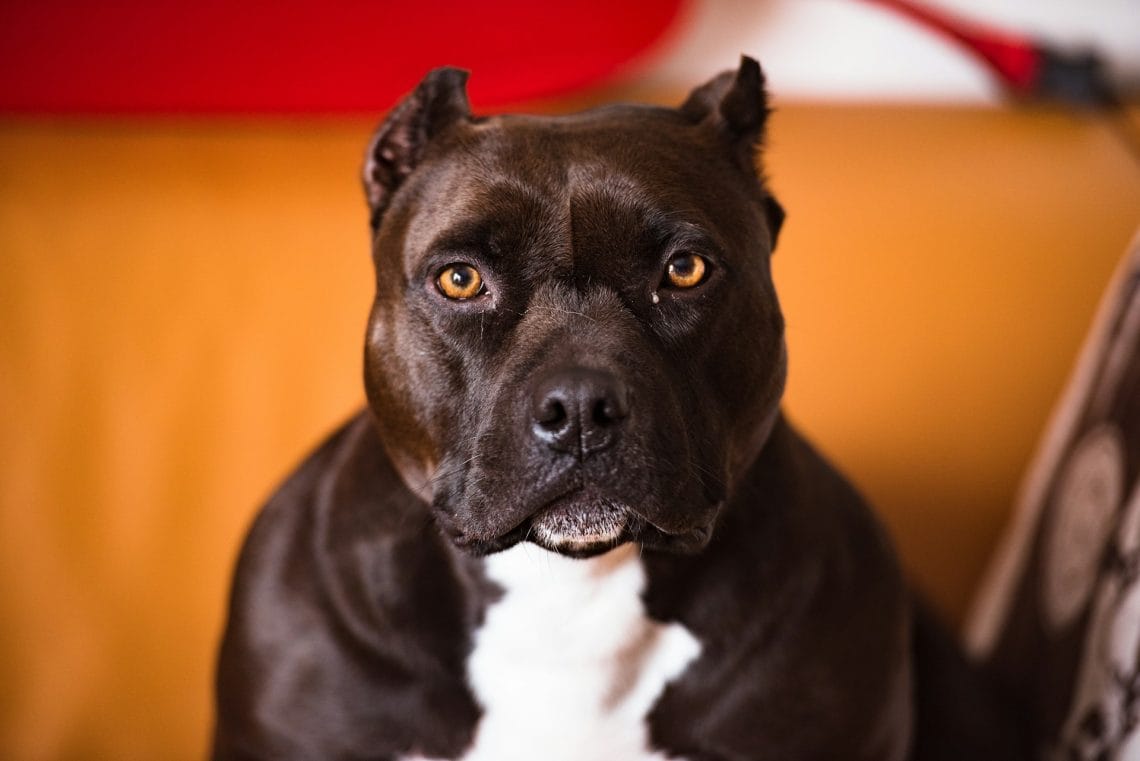
The American Pit Bull Terrier is perhaps the most well-known among the types of pitbull breeds. This breed typically weighs between 30 to 65 pounds and stands 17 to 21 inches tall at the shoulder.
Physical Characteristics
- Build: Medium-sized, muscular, and athletic
- Head: Broad skull with a short, wide muzzle
- Coat: Short, smooth, and comes in various colors
- Weight Range: 30-65 pounds
- Height: 17-21 inches
Personality Traits
American Pit Bull Terriers are known for their loyalty, intelligence, and eagerness to please their owners. They’re energetic dogs that require regular exercise and mental stimulation. Despite misconceptions, they’re often gentle with children when properly socialized.
Exercise Requirements
These dogs need at least 60-90 minutes of exercise daily. They excel in activities like:
- Daily walks or jogs
- Playing fetch
- Agility training
- Swimming
- Interactive puzzle games
American Staffordshire Terrier
Often confused with the American Pit Bull Terrier, the American Staffordshire Terrier is slightly larger and more stocky. This breed is recognized by the American Kennel Club, unlike some other types of pitbull breeds.
Physical Characteristics
- Build: Stockier and more muscular than the American Pit Bull Terrier
- Head: Broad head with pronounced cheek muscles
- Coat: Short, stiff coat in various colors
- Weight Range: 40-70 pounds
- Height: 17-19 inches
Temperament
American Staffordshire Terriers are confident, outgoing, and friendly dogs. They’re known for being:
- Loyal to their families
- Good with children when properly socialized
- Protective but not aggressive without reason
- Intelligent and trainable
- Energetic and playful
Training Needs
Early socialization and consistent training are essential for this breed. They respond well to positive reinforcement techniques and benefit from:
- Basic obedience training
- Socialization with other dogs and people
- Mental stimulation through puzzle toys
- Regular exercise routines
Staffordshire Bull Terrier
The Staffordshire Bull Terrier is the smallest among the commonly recognized types of pitbull breeds. Originally from England, this breed is known for its courage, intelligence, and love for people.
Physical Features
- Size: Compact and muscular
- Weight: 24-38 pounds
- Height: 14-16 inches
- Coat: Smooth, short coat in red, fawn, white, black, or blue
- Build: Low to the ground with a broad chest
Character Traits
Staffordshire Bull Terriers are often called “nanny dogs” due to their patience with children. They’re characterized by:
- Strong desire to please their owners
- High energy levels
- Friendly disposition toward humans
- Courage and tenacity
- Playful nature well into adulthood
Health Considerations
Like all types of pitbull breeds, Staffordshire Bull Terriers can be prone to certain health issues including hip dysplasia, cataracts, and skin allergies. Regular veterinary checkups are essential for maintaining their health.
American Bulldog
While not always included in discussions of types of pitbull breeds, the American Bulldog shares many characteristics and is sometimes grouped with pitbull-type dogs due to similar breeding history and physical traits.
Physical Attributes
- Size: Larger than other pitbull types
- Weight: 60-120 pounds
- Height: 20-28 inches
- Build: Powerful, athletic, and well-balanced
- Head: Large, broad head with a square muzzle
Personality
American Bulldogs are confident, social, and active dogs that make excellent family companions. They tend to be:
- Protective of their family
- Gentle with children
- Alert and confident
- Energetic and athletic
- Loyal and devoted
Physical Characteristics and Health Considerations
All types of pitbull breeds share certain physical characteristics that make them easily recognizable. Understanding these traits can help owners provide better care and recognize potential health issues early.
Common Physical Traits
- Muscular build: All pitbull breeds have well-developed muscle mass
- Broad chest: Deep, wide chest for lung capacity
- Strong jaw: Powerful bite strength
- Short coat: Easy to maintain grooming needs
- Athletic stance: Built for strength and agility
Grooming Requirements
Pitbull breeds are relatively low-maintenance when it comes to grooming:
- Weekly brushing to remove loose hair
- Monthly baths or as needed
- Regular nail trimming every 3-4 weeks
- Dental care including brushing and dental chews
- Ear cleaning to prevent infections
Common Health Issues in Pitbull Breeds
Understanding potential health problems can help owners of any of the types of pitbull breeds provide better preventive care and catch issues early.
Genetic Health Concerns
- Hip Dysplasia: Malformation of the hip joint leading to arthritis
- Elbow Dysplasia: Similar condition affecting the elbow joints
- Heart Conditions: Including congenital heart defects
- Skin Allergies: Food and environmental allergies are common
- Eye Problems: Including cataracts and progressive retinal atrophy
Eye Health Considerations
Some pitbull breeds may experience eye issues that cause their dogs eye shut or partially closed. Conditions like conjunctivitis, corneal ulcers, or injuries can cause discomfort and require immediate veterinary attention. If you notice your dog keeping an eye closed or showing signs of pain around the eye area, contact your veterinarian promptly.
Hyphema in Dogs
Hyphema dog conditions involve bleeding in the front chamber of the eye, which can occur in any breed but may be more concerning in active breeds like pitbulls due to their energetic nature. This condition requires immediate veterinary care as it can indicate serious underlying issues including trauma, blood clotting disorders, or high blood pressure.
Sleep and Breathing
Many owners wonder “do dogs snore” when they hear unusual sounds during their pet’s sleep. Pitbull breeds, with their shorter muzzles, may be more prone to snoring than some other breeds. While occasional snoring is usually normal, persistent loud snoring or breathing difficulties should be evaluated by a veterinarian, especially in breeds with shorter airways.
Temperament and Personality Traits
Despite negative stereotypes, all types of pitbull breeds can make wonderful family pets when properly trained and socialized. Understanding their temperament helps owners provide appropriate care and training.
Positive Traits
- Loyalty: Extremely devoted to their families
- Intelligence: Quick learners who enjoy mental challenges
- Affection: Love spending time with their human companions
- Courage: Will protect their family when necessary
- Playfulness: Maintain puppy-like enthusiasm throughout life
Behavioral Considerations
- High energy: Need plenty of exercise and mental stimulation
- Strong prey drive: May chase smaller animals
- Social needs: Require interaction with people and other dogs
- Training responsiveness: Eager to please and learn new commands
Caring for Your Pitbull
Proper care for any of the types of pitbull breeds involves attention to their physical, mental, and emotional needs.
Nutrition Requirements
- High-quality protein: Essential for maintaining muscle mass
- Age-appropriate food: Puppy, adult, or senior formulations
- Portion control: Prevent obesity which can worsen joint problems
- Regular feeding schedule: Helps with training and digestion
- Fresh water: Always available, especially after exercise
Exercise and Activity
All pitbull breeds require substantial daily exercise:
- Minimum 60-90 minutes of physical activity daily
- Variety of activities to prevent boredom
- Mental stimulation through training and puzzle games
- Socialization opportunities with other dogs and people
- Safe, secure areas for off-leash play
Housing and Environment
- Secure fencing: At least 6 feet tall to prevent escaping
- Indoor living: These breeds do best as house dogs
- Temperature considerations: May need extra warmth in cold weather
- Safe spaces: Comfortable areas for rest and relaxation
Training and Socialization
Successful ownership of any of the types of pitbull breeds depends heavily on proper training and early socialization.
Puppy Training Basics
- House training: Establish consistent routines
- Basic commands: Sit, stay, come, down, heel
- Crate training: Provides security and aids in house training
- Bite inhibition: Teaching appropriate mouth pressure
- Leash training: Essential for safe walks
Socialization Strategies
- Early exposure: Introduce to various people, animals, and situations
- Positive experiences: Ensure all interactions are pleasant
- Controlled environments: Start in safe, predictable settings
- Gradual progression: Slowly increase complexity of situations
- Ongoing process: Continue throughout the dog’s life
Advanced Training
- Obedience classes: Professional instruction benefits both dog and owner
- Agility training: Great outlet for physical and mental energy
- Therapy dog certification: Many pitbulls excel in this role
- Canine Good Citizen: Demonstrates good manners and training
Legal Considerations
Unfortunately, some types of pitbull breeds face breed-specific legislation (BSL) in certain areas. Responsible ownership includes understanding local laws and regulations.
Research Local Laws
- City ordinances: May restrict or ban certain breeds
- Housing restrictions: Some apartments or insurance companies have breed restrictions
- Travel considerations: Some areas may have restrictions for visiting with your dog
- Registration requirements: Some areas require special permits or registration
Responsible Ownership
- Proper identification: Microchipping and ID tags
- Insurance coverage: Adequate liability insurance
- Training certification: Documentation of obedience training
- Veterinary records: Keep up-to-date health records
- Spay/neuter: Help reduce overpopulation and may be legally required
Conclusion
Understanding the different types of pitbull breeds helps potential and current owners make informed decisions about care, training, and expectations. Whether you’re drawn to the athletic American Pit Bull Terrier, the stocky American Staffordshire Terrier, the compact Staffordshire Bull Terrier, or the larger American Bulldog, each breed offers unique qualities while sharing the loyalty, intelligence, and affection that makes them beloved family companions.
Remember that regardless of which of the types of pitbull breeds you choose, success depends on proper training, socialization, exercise, and healthcare. These dogs thrive with consistent leadership, plenty of physical activity, and lots of love from their human families.
Ready to learn more about pitbull breeds or share your own experiences? Leave a comment below with your questions or stories about these amazing dogs. Don’t forget to share this guide with other dog lovers who might benefit from learning about the wonderful world of pitbull breeds
Photo by Yohan Cho on Unsplash
Zingi is a digital content creator and pet enthusiast with a passion for helping animal lovers make smarter, more informed decisions. With hands-on experience researching dog breeds, pet care routines, and tech products, Zingi writes guides that cut through the noise and focus on what actually matters for everyday pet owners and tech users.