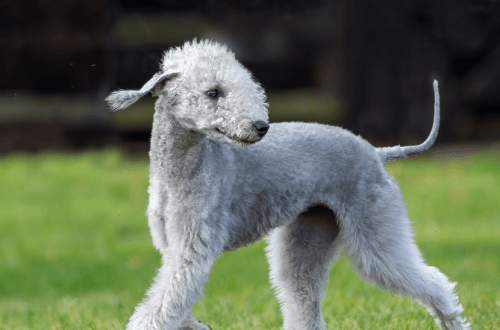
If you’ve ever caught your dog sitting with just the tip of their tongue peeking out, you’ve witnessed the internet-famous “blep.” This adorable, slightly derpy expression has spawned countless memes and melted hearts across social media. But have you ever wondered why do dogs blep?
While often harmless and utterly charming, that tiny tongue protrusion can signal everything from deep contentment to underlying health conditions. Understanding why do dogs blep helps you distinguish between normal quirks and potential concerns requiring veterinary attention. Here are five surprising reasons behind this endearing canine behavior.
Table of Contents
What Exactly Is a Blep?
Before diving into why do dogs blep, let’s clarify what constitutes this phenomenon. A “blep” occurs when a dog unintentionally sticks their tongue slightly out of their mouth, usually just the tip, often while resting or sleeping. This differs from a “mlem” the active licking motion and from full tongue hanging.
The term originated from internet culture, specifically the Reddit community r/Blep, which celebrates animals with their tongues adorably sticking out. While cats are notorious bleppers, dogs frequently display this behavior too, though often for different reasons.
1. Deep Relaxation and Contentment
The most common answer to why do dogs blep is surprisingly simple: they’re completely relaxed. When dogs enter deep states of comfort during satisfying naps, after enjoyable play sessions, or while receiving affection their jaw muscles loosen completely.
During REM sleep, dogs experience muscle relaxation similar to humans. Their jaws slacken, and the tongue naturally slips out slightly. This “sleepy blep” indicates your dog feels safe and comfortable in their environment. It’s comparable to humans sleeping with their mouths slightly open a sign of total relaxation rather than any problem.
Behaviorist Allie Bender notes that a hanging tongue during petting or sleep shows your dog is “super happy and relaxed”. So if you spot your pup doing a blep during cuddle time, take it as a compliment they’re showing you they feel completely at ease.
2. Temperature Regulation and Cooling
Another major reason why do dogs blep relates to thermoregulation. Unlike humans who sweat through skin, dogs have limited sweat glands located primarily in their paws. Instead, they rely on panting and occasionally tongue protrusion to cool down.
When dogs spread their tongues wider while panting, evaporation from the moist surface helps lower their body temperature. Sometimes, even when not actively panting, allowing the tongue to hang out slightly aids this cooling process, particularly in warmer climates or after exercise.
However, context matters. If your dog’s tongue is out combined with heavy panting, lethargy, or distress, this could indicate overheating or dehydration rather than a simple blep. Always ensure fresh water is available, especially for dogs prone to tongue protrusion.
3. Enhanced Scent Detection (The Flehmen Response)
Here’s a fascinating reason why do dogs blep that connects to their incredible sense of smell. Dogs occasionally stick their tongues out to “taste” the air, heightening their already impressive olfactory abilities.
This behavior, related to the Flehmen response seen in many mammals, involves directing scent particles toward the vomeronasal organ a specialized sensory structure in the nasal cavity. By licking the air or keeping their tongue slightly extended, dogs capture more scent molecules, allowing them to gather detailed information about their environment.
Dr. Linda Simon explains that this exploratory blepping helps dogs appreciate odors and detect pheromones, essentially reading chemical messages left by other animals. So when your dog bleps while investigating an interesting smell, they’re essentially using their tongue as a sensory tool.
4. Distraction and Forgetfulness
Sometimes why do dogs blep is as simple as distraction. Just as humans might walk into a room and forget why, dogs can get interrupted mid-lick and simply forget to retract their tongues.
Certified behaviorist Allie Bender describes this perfectly: “Sometimes dogs are licking, get distracted, and leave their tongue out mid-lick before resuming”. Perhaps they heard a noise, spotted a squirrel, or noticed you reaching for a treat whatever broke their concentration left them frozen in an adorable blep position.
This “forgotten tongue” phenomenon is usually brief and harmless. The tongue typically returns to the mouth naturally once the dog remembers or becomes uncomfortable. It’s simply another quirk that makes our canine companions so endearing.
5. Hanging Tongue Syndrome and Medical Causes
While most reasons why do dogs blep are benign, persistent tongue protrusion can indicate underlying health issues collectively known as Hanging Tongue Syndrome. This isn’t an official veterinary diagnosis but rather a descriptive term for various conditions causing the tongue to hang out permanently.
Genetic and Anatomical Factors: Brachycephalic (flat-faced) breeds like Pugs, Bulldogs, and Boxers are particularly prone to this condition due to their unique anatomy. Their shortened skulls, smaller mouths, and relatively larger tongues often mean the tongue simply doesn’t fit comfortably inside the mouth. Similarly, breeds with natural underbites or overbites may develop permanent bleps.
Dental Issues: Advanced dental disease affects 80-90% of dogs over age three. When lower canine teeth fall out or require extraction, they no longer provide the structural support that keeps the tongue contained, causing it to slip out permanently. This is particularly common in small breeds like Chihuahuas and Yorkshire Terriers.
Neurological Conditions: Less commonly, why do dogs blep involves neurological issues affecting tongue control. Nerve damage, trauma to the jaw or head, or certain medications can impair the muscles responsible for keeping the tongue retracted.
When to Worry About Your Dog’s Blep
Understanding why do dogs blep includes recognizing when veterinary attention is necessary. Occasional, brief blepping especially during relaxation is normal. However, consult your veterinarian if you notice:
- Sudden onset: A new blepping habit in an adult dog warrants examination
- Persistent protrusion: The tongue remains out constantly rather than occasionally
- Physical changes: Dryness, cracking, bleeding, or discoloration of the tongue
- Behavioral changes: Difficulty eating, drinking, or accompanying signs of distress
- Excessive drooling: Especially if combined with bad breath or reluctance to eat
Dr. Nell Ostermeier emphasizes that while most tongue protrusion is harmless, sudden changes combined with odd behavior could indicate neurological problems requiring immediate attention.
Caring for a Blepping Dog
If your dog is a chronic blepper, proper care ensures their comfort:
Hydration is crucial: Dogs with persistent tongue protrusion experience faster dehydration due to increased evaporation. Ensure constant access to fresh water, and consider pet water fountains to encourage drinking.
Monitor for dryness: A constantly exposed tongue can become dry and cracked, similar to severely chapped lips. In cold weather, frostbite becomes a risk, while hot weather increases dehydration dangers.
Regular dental care: Since dental disease significantly contributes to why do dogs blep, maintain excellent oral hygiene and schedule regular veterinary dental checkups.
Check gum color: Healthy gums and tongues should remain pink. Any discoloration may indicate infection or circulation issues requiring veterinary care.
Conclusion
The question why do dogs blep has multiple answers, ranging from the utterly benign to the medically significant. Most commonly, that adorable tongue tip signals a happy, relaxed dog enjoying life. Sometimes it aids cooling or enhances their incredible sense of smell. Occasionally, it indicates anatomical quirks or health conditions needing attention.
By understanding these five surprising reasons why do dogs blep, you can better interpret your canine companion’s behavior and ensure their wellbeing. When in doubt especially with sudden changes or concerning symptoms consult your veterinarian. After all, keeping your blepping buddy healthy means many more years of those heart-melting, tongue-out moments that make dog ownership so rewarding.
Photo by Simon Takatomi on Unsplash
Zingi is a digital content creator and pet enthusiast with a passion for helping animal lovers make smarter, more informed decisions. With hands-on experience researching dog breeds, pet care routines, and tech products, Zingi writes guides that cut through the noise and focus on what actually matters for everyday pet owners and tech users.