Dachshund puppies, with their distinctive long bodies and short legs, have captured the hearts of dog lovers around the world. Known for their playful personalities and affectionate nature, these charming little hounds make wonderful companions for families and individuals alike. Originally bred for hunting badgers, their spirited demeanor and curious nature continue to shine through in their everyday behaviors. In this article, we will explore the rich history, unique characteristics, and essential care tips for raising a healthy and happy dachshund puppy, ensuring that both new and seasoned pet owners can provide the best environment for their furry friends.
Introduction to Dachshund Puppies
Dachshund puppies are the tiny powerhouses of the canine world, packing an abundance of personality into their long bodies and short legs. Known affectionately as “wiener dogs,” these little furballs are curious, playful, and just a tad mischievous. Whether they’re burrowing into blankets or taking on the neighborhood squirrels, their irresistible charm has made them beloved companions for families and individuals alike. In this article, we’ll take a deep dive into what makes these pups so special from their fascinating history to their unique traits and how to choose the perfect one for your home.
History and Origin of the Dachshund
Early Breeding and Purpose
The story of the dachshund begins way back in the 15th century, when these pups were bred in Germany for a very specific purpose: hunting badgers. Yes, that’s right. With their elongated bodies and keen sense of smell, dachshunds were designed to burrow into the earth and flush out these pesky creatures. Their name literally translates to “badger dog” in German, which is pretty fitting given their tenacious spirit and determination. As time went on, their charm and versatility made them popular as both hunters and family pets.
Evolution of the Dachshund Breed
Over the centuries, the dachshund has undergone a delightful evolution, moving from the hunting grounds to our hearts and homes. The breed was recognized by the American Kennel Club in 1885, and they quickly became a hit in the United States and beyond. Through selective breeding, they’ve developed into several types and varieties, but their core personality traits quirky, playful, and fiercely loyal remain intact. So, whether they’re chasing after a ball or snuggling on your lap, these pups have certainly earned their spot as our furry companions.
Characteristics and Traits of Dachshund Puppies
Physical Appearance
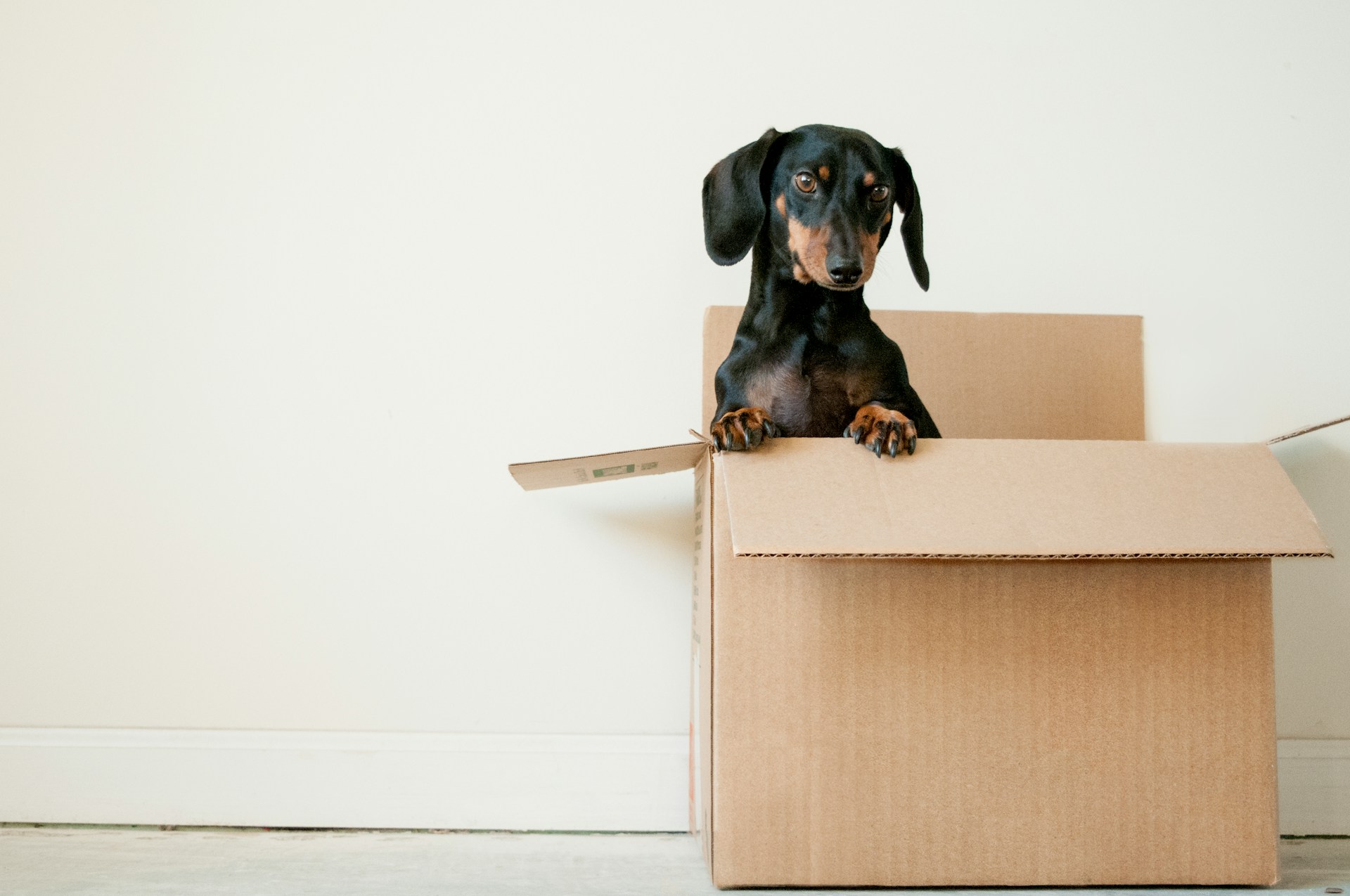
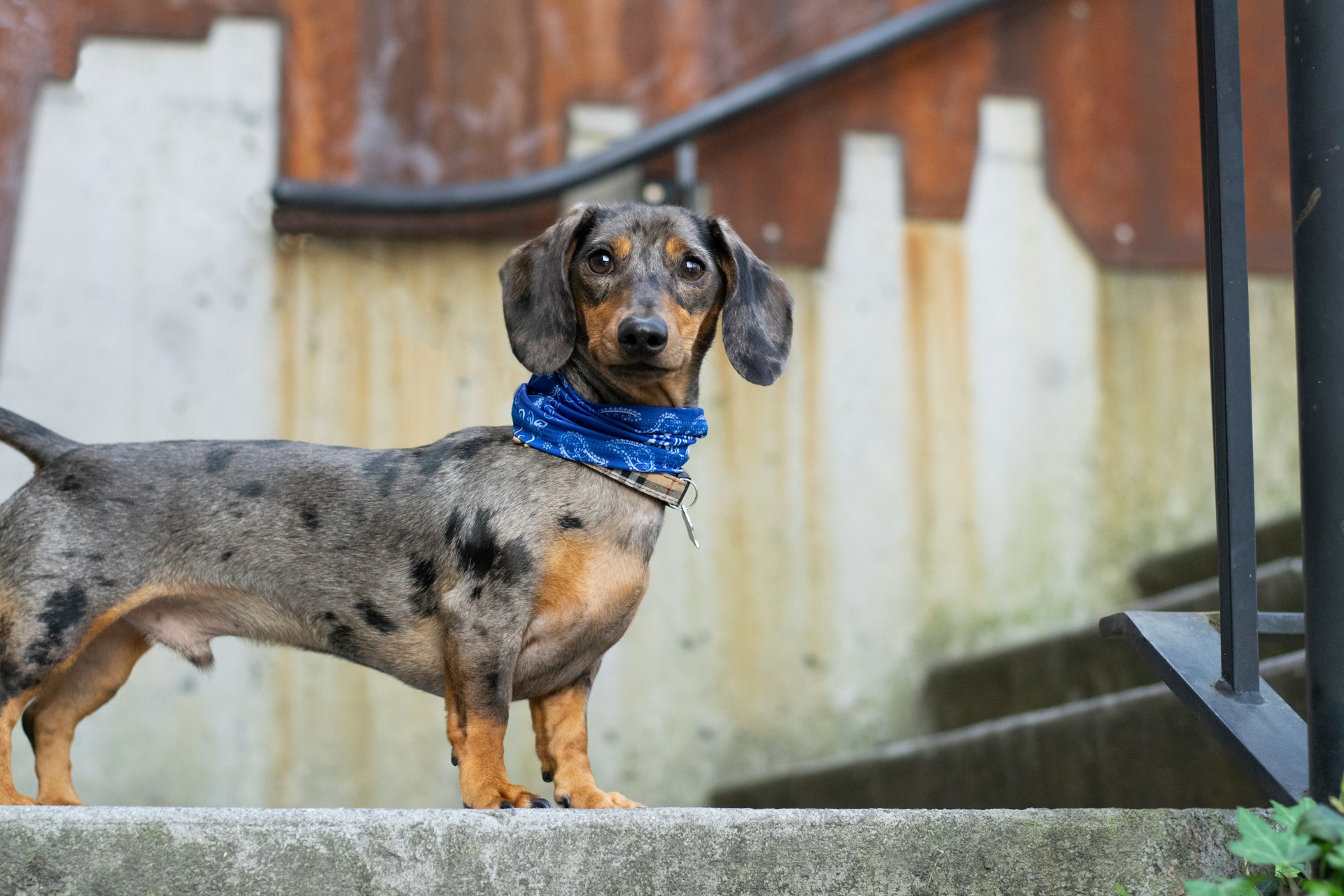
Dachshund puppies are unmistakable with their adorable long bodies and short legs like a hot dog on a leash. They typically weigh anywhere from 8 to 30 pounds, depending on whether they’re standard or miniature. Their expressive eyes and floppy ears only add to their undeniable cuteness. Dachshunds come in three coat types: smooth, longhaired, and wirehaired, giving them a diverse range of looks that make them even more irresistible.
Temperament and Behavior
Beneath those floppy ears and sweet faces lies a spirited and often sassy personality. Dachshund puppies are curious and adventurous, always ready to explore their surroundings. They can be stubborn (a trait inherited from their hunting days), but they’re also affectionate and loving toward their humans. With the right training and socialization, they can be fantastic companions, bringing joy and laughter into your life. Just be prepared for some occasional mischief who knew a pup could outsmart you so often?
Variations in Size and Coat
When it comes to size and coat, dachshunds come in more flavors than a candy store. The standard dachshund typically weighs 16 to 32 pounds, while the miniature version is usually around 8 to 11 pounds. As for coats, the smooth variety has a sleek, shiny look, while the longhaired version boasts soft, flowing fur, and the wirehaired type has a unique scruffy appearance. No matter which variety you choose, you can bet that they’ll each have their own delightful quirks and personality traits.
Choosing the Right Dachshund Puppy
Selecting a Reputable Breeder
If you’ve decided a dachshund puppy is the right furry friend for you, the first step is finding a reputable breeder. Look for individuals who prioritize the health and temperament of their puppies and are willing to share their breeding practices. A good breeder will welcome you into their home, allow you to meet the puppies’ parents, and provide health clearances to ensure that you’re getting a healthy pup. After all, no one wants to adopt a puppy with a secret history of bad genes
Adoption vs. Buying
While purchasing from a breeder is a popular route, don’t overlook the option of adoption. Many dachshunds find themselves in shelters or rescue organizations due to various life circumstances. Adopting not only gives a dog a second chance at life, but it can also be a more affordable option. Just be sure to check the dog’s history, health records, and temperament to ensure a good fit for your family. Remember, whether you adopt or buy, every pup deserves a loving home.
Assessing Puppy Health and Temperament
Before you bring home your dachshund puppy, it’s crucial to assess their health and temperament. Look for a playful, curious pup that displays an eagerness to interact. A quick health check for clear eyes, a shiny coat, and an energetic demeanor can help indicate a puppy’s wellbeing. If possible, seek a vet’s opinion to ensure you’re choosing a healthy little companion. With the right care and attention, your new dachshund friend will be romping around and stealing the spotlight in no time
Care and Maintenance for Dachshund Puppies
Nutritional Needs
Dachshund puppies aren’t just adorable; they have big nutritional needs too. A high-quality, puppy-formulated diet is essential for their growth. Look for a dog food rich in protein and fat to fuel their playful antics. Since these little pups are prone to obesity, portion control is key no feeding them like they’re training for an all-you-can-eat contest, please. Always consult your vet for the best food recommendations and adjust as they grow.
Grooming Requirements
Dachshund grooming is as unique as they are. Whether your pup has smooth, long, or wire-haired fur, regular grooming is a must. Smooth coats require less fuss (just a quick brush now and then), while long-haired and wire-haired varieties may need more frequent combing to prevent tangles and mats. And let’s not forget nail trimming. A good paw-dicure will keep those little sausages walking comfortably and prevent any accidental “pointy” encounters with your furniture.
Creating a Safe Environment
Dachshund puppies are curious explorers, which means safety is a top priority. Puppy-proof your home by removing hazards like choking items, electrical cords, and those fabulous shoes you’ve been meaning to wear. A secure play area with chew toys and a cozy bed will keep them safe while satisfying their need for adventure. Baby gates can help keep them out of trouble, especially when they think climbing stairs is the next Olympic sport.
Training Tips for Dachshund Puppies
Basic Commands and Obedience Training
Teaching your dachshund puppy basic commands is essential for a harmonious household plus, it’s a great way to show off their intelligence. Start with simple commands like “sit,” “stay,” and “come.” Positive reinforcement think treats, praise, and maybe a little dance party will make them eager to please. Keep training sessions short, fun, and filled with love. Remember, patience is the name of the game; they’ll get it eventually (even if they act like they’re too busy sniffing the floor to listen).
Housebreaking Techniques
Ah, the age-old housebreaking saga. Start by establishing a consistent routine by taking your dachshund outside frequently, especially after meals and naps. Use a designated bathroom spot and always reward them immediately after they go. Accidents will happen, so don’t fret just keep a good enzyme cleaner handy and stay committed to the process. With consistency and a sprinkle of puppy love, they’ll master this essential skill in no time
Socialization Strategies
Dachshunds may be tiny, but they have big personalities. Early socialization is crucial to help your pup become a well-adjusted furry companion. Introduce them to various people, pets, and environments while they’re young. Puppy classes, park visits, and playdates are all great ways to build their confidence. Just remember to supervise interactions; not every dog understands the concept of “play nice.” Create a happy, positive experience so they can grow into social butterflies or at least social wieners
Health Concerns Common in Dachshund Puppies
Common Health Issues
Dachshund puppies are prone to a few health quirks, so keep an eye out for common issues like hip dysplasia and back problems (thanks to their long bodies and short legs). Ear infections and dental diseases can also be troublesome. Regular vet check-ups and being aware of your pup’s behavior will help catch any issues early on. Remember, a little prevention goes a long way in keeping your pup healthy and happy.
Preventative Care and Veterinary Visits
Regular vet visits are a must for your dachshund puppy. Vaccinations, parasite prevention, and routine check-ups ensure your little one is on the right track. Plus, your vet can provide guidance on nutrition, grooming, and any breed-specific health concerns. Don’t forget to make those trips enjoyable bring treats and plenty of cuddles to keep your pup stress-free and feeling like a superstar.
Importance of Regular Exercise
Keeping your dachshund puppy active is vital for their health and happiness. Regular exercise helps prevent obesity (no one wants a couch potato dachshund) and can reduce behavioral problems. Aim for at least 30 minutes of playtime a day think fetch, walks, and imaginative games that fit their quirky personalities. Just keep in mind their little legs and short lungs; they might need more breaks than a marathon runner.
Fun Activities and Socialization for Dachshund Puppies
Interactive Games and Playtime
Dachshund puppies are filled with energy and curiosity, making playtime a fantastic opportunity for bonding and training. Engage them with interactive games like tug-of-war, hide-and-seek, or even puzzle toys that challenge their clever minds. Don’t forget the good ol’ classic of fetch just be ready for them to bring back anything they find interesting, which may or may not include your socks.
Socialization with Other Pets and People
Socialization is key to developing a well-rounded dachshund. Expose them to different environments, people, and other pets. Schedule playdates with friendly dogs and introduce them to a variety of folks, from kids to seniors. Do this gradually, and follow their lead remember, some pups might be more outgoing than others. Positive experiences will build their confidence and help them become adaptable companions.
Participating in Dog Sports and Events
Who says dachshunds can’t be athletes? Participate in dog sports like agility, obedience, or even earthdog trials, perfect for their instinctive digging skills. These activities provide mental stimulation and physical exercise, keeping your pup engaged and fit. Plus, they offer a chance to bond with your furry friend and meet other dog enthusiasts. Who knows? You might just discover a hidden talent waiting to shine.
In conclusion, dachshund puppies bring joy, love, and a unique charm to any home. By understanding their needs and characteristics, as well as providing proper care, training, and socialization, you can ensure a fulfilling and rewarding companionship with your dachshund. Whether you’re a first-time dog owner or a seasoned aficionado, embracing the quirks and traits of these delightful pups will lead to a strong bond that lasts a lifetime. Happy puppy parenting
Frequently Asked Questions about Dachshund Puppies
What is the best age to bring home a dachshund puppy?
Typically, it is best to bring home a dachshund puppy when they are between 8 to 12 weeks old. This age allows for essential socialization and training to begin in a new environment.
Do dachshund puppies require special training?
Yes, dachshund puppies can benefit from specialized training due to their strong-willed nature. Early socialization and obedience training are crucial to help manage their energetic behavior and prevent stubbornness.
How much exercise do dachshund puppies need?
Dachshund puppies generally require about 30 minutes of exercise each day. This can include walks, playtime, and mental stimulation to keep them happy and healthy.
Are dachshund puppies good with children and other pets?
Dachshund puppies can be good with children and other pets, especially when properly socialized from a young age. However, supervision is recommended to ensure safe interactions, as their playful nature can sometimes lead to rough play.
Photo by Erda Estremera on Unsplash and by Katie Bernotsky on Unsplash