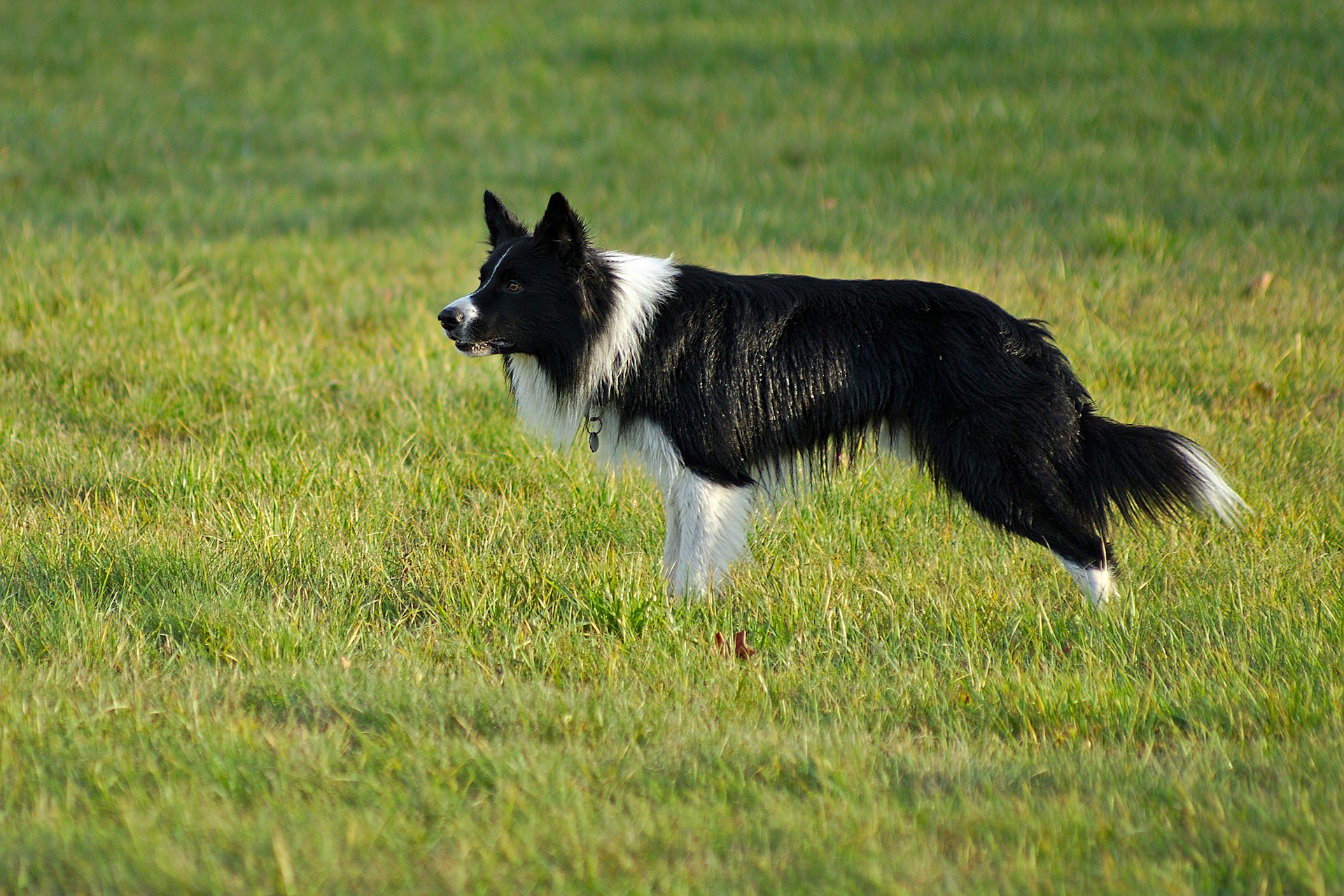
Border collies rank as the most intelligent dog breed in the world, mastering new commands in as few as five repetitions. This exceptional intelligence, coupled with their boundless energy and strong herding instinct, makes raising a border collie puppy both rewarding and challenging. First-time owners are often surprised by how quickly these working dogs become bored with routine and how they need mental stimulation as much as physical exercise. Furthermore, without proper guidance, these highly trainable puppies can develop problematic behaviors that become difficult to correct later.
Whether you’ve just brought home your border collie puppy or are planning to welcome one soon, this comprehensive guide covers everything you need for a successful first year. From selecting the right breeder to establishing effective training routines, we’ll walk through each developmental stage. Specifically, you’ll learn how to channel their natural intelligence into positive behaviors while preventing common issues like excessive herding, anxiety, or destructive tendencies.
Let’s start by ensuring you have everything prepared before your new puppy arrives.
Preparing for Your Border Collie Puppy
Preparing for a border collie puppy requires thoughtful planning. These highly intelligent, energetic dogs have specific needs that must be addressed even before they arrive at your home. Adequate preparation will ease the transition for both you and your new companion.
Choosing a responsible breeder or adoption center
Finding a trustworthy source for your border collie puppy is crucial for ensuring their long-term health and temperament. When evaluating breeders, ask to meet the puppy’s parents this gives valuable insight into your future puppy’s likely temperament, size, and appearance.
Responsible breeders willingly show documentation of health screenings such as OFA (Orthopedic Foundation for Animals) and CAER (Companion Animal Eye Registry) certificates. They typically limit themselves to producing only 1-4 litters annually to maintain quality care. Additionally, they provide written contracts outlining requirements and expectations before placing puppies.
During your visit, observe how the dogs interact with the breeder and with strangers. Well-socialized puppies should appear outgoing rather than shy. Expect to be thoroughly screened by reputable breeders they care deeply about where their puppies go.
Alternatively, consider adoption from border collie rescue organizations. These groups fully evaluate dogs for temperament, provide sterilization, microchipping, and necessary vaccinations prior to adoption.
Puppy-proofing your home
Border collies are naturally curious and energetic, making thorough puppy-proofing essential. First, secure or remove electrical cords, which pose serious shock hazards when chewed. Keep cleaning supplies, medications, and toxic materials in high cabinets or behind childproof latches.
Secure all trash cans with lids to prevent scavenging, which can lead to intestinal blockages or poisoning. Remove or securely place houseplants out of reach, as many common varieties are toxic to dogs.
Keep toilet lids closed, doors and windows secured, and maintain closed cabinets containing small items that could become choking hazards. Sharp objects like knives, scissors, and tools must remain out of your puppy’s reach.
For easier management during early training, consider installing baby gates to block off areas where the puppy shouldn’t go unsupervised. This creates manageable spaces where you can closely monitor your new companion.
Essential supplies to have ready
Prior to bringing your border collie puppy home, gather these fundamental supplies:
- Containment and comfort: A properly sized crate, comfortable dog bed, indoor puppy playpen, and puppy gates
- Feeding equipment: Food and water dishes, age-appropriate puppy food, high-value training treats
- Grooming tools: Brush, nail trimmer, puppy toothbrush, and shampoo
- Safety items: Collar with ID tags, leash, and seat belt harness attachment for car travel
- Training necessities: Potty pads, enzymatic cleaner for accidents, positive reinforcement treats
- Entertainment: Various toys including hard chew toys, soft stuffed toys, puzzle games, and safe natural chews for teething
Invest in toys that challenge your border collie’s mind, not just their body. Interactive puzzle toys are particularly valuable for this intelligent breed 7. For teething puppies, natural chews are preferable to rawhide, which can cause digestive blockages.
Furthermore, consider a calming heartbeat toy that mimics a mother dog’s heartbeat to ease separation anxiety, especially during crate training 7. Though not essential, supplements like fish oil can support brain development in growing puppies.
With proper preparation in these three areas, you’ll create a strong foundation for welcoming your border collie puppy into your home.
The First Weeks at Home
The initial weeks with your border collie puppy lay the foundation for your lifelong relationship. This critical period requires patience, consistency, and structured guidance as your new companion adjusts to life away from their littermates.
Establishing a routine
Border collie puppies thrive on predictability. Creating a consistent daily schedule helps reduce anxiety and accelerates learning. Initially, establish regular times for:
- Feeding (typically 3-4 times daily for young puppies)
- Potty breaks (after meals, naps, playtime, and every 1-2 hours while awake)
- Training sessions (multiple short 5-10 minute sessions throughout the day)
- Playtime (structured activities that engage both mind and body)
- Rest periods (puppies need 18-20 hours of sleep daily)
Consistency is crucial in these early weeks. Your border collie will quickly learn to anticipate what happens next, consequently feeling more secure in their new environment. Coordinate training sessions with mealtimes to maximize motivation and engagement.
Crate training and housebreaking
A properly introduced crate becomes your puppy’s safe haven their personal bedroom. Start crate training around 8 weeks old by making it inviting with comfortable bedding and safe toys. Gradually introduce your puppy to the crate, beginning with the door open and tossing treats inside to create positive associations.
For overnight comfort, place the crate near your bedroom so your puppy can sense your presence. As they adjust, you can incrementally move the crate to its permanent location. Remember that the crate should be just large enough for your puppy to stand, turn around, and lie down too much space may encourage them to use one area for elimination.
Regarding housebreaking, border collie puppies generally don’t like soiling their living space. If accidents happen in the crate, the sleeping area might be too large. Use dividers to restrict space as needed. Always take your puppy to the same outdoor spot for elimination and immediately reward success with praise and treats. Should indoor accidents occur, clean thoroughly with enzymatic cleaners to remove odors that might attract repeat behavior.
Building trust and early bonding
Trust forms the cornerstone of your relationship with your border collie. In these first weeks, handle your puppy gently and speak in reassuring tones. Avoid harsh language or punishment, as these can create fear and hinder the learning process.
Celebrate small victories and remain patient when progress seems slow. Each puppy learns at their own pace some border collies grasp concepts quickly while others need additional time and repetition.
Spend quality time sitting at your puppy’s level, allowing them to approach and explore you on their terms. This builds confidence and strengthens your bond. Throughout daily activities, use consistent cues and commands to establish clear communication.
Remember that your border collie’s first month home involves significant adjustment. Expect occasional disrupted sleep and behavioral changes as they navigate their new environment. By providing structure through routine, appropriate containment through crate training, and emotional security through positive interactions, you create an environment where your intelligent puppy can flourish.
Training and Socialization
With their exceptional intelligence, border collies begin absorbing training from day one in your home. These quick learners benefit from structured guidance that channels their natural abilities into appropriate behaviors.
Basic commands every Border Collie should know
Start training your border collie puppy with foundational commands as soon as they arrive home. Focus initially on essential commands like sit, stay, come, and lie down. These basic cues establish communication and control while building your puppy’s confidence. Border collies typically master new commands in just 1-2 repetitions, making early training sessions remarkably productive.
For optimal results, keep training sessions brief 5-10 minutes maximum as puppies have limited attention spans. Incorporate commands into daily routines; for instance, ask your puppy to sit before meals or wait at doorways. This practical application helps them understand that commands have real-world relevance.
Additionally, consider teaching the “leave it” command, which many owners find particularly valuable for safety and controlling impulsive behavior. The “with me” command teaches your border collie to walk calmly by your side, essential preparation for future activities like herding training or agility.
How to socialize with people and other pets
Early socialization between 3-14 weeks is critical for developing a well-adjusted border collie. During this formative period, expose your puppy gradually to different people, environments, and experiences. Always ensure these encounters remain positive never force interactions if your puppy appears uncomfortable.
Instead of introducing your puppy to every dog you encounter, focus on quality interactions with well-behaved, vaccinated dogs. Puppy classes offer controlled opportunities for socialization with both people and other puppies. Until fully vaccinated, carry your puppy in public spaces where other dogs frequent.
For socialization with people, introduce your puppy to various individuals people wearing hats, using walking sticks, or pushing strollers. Monitor your puppy’s body language throughout these introductions and reward calm behavior.
Preventing herding behavior in the home
Border collies possess strong herding instincts that, without guidance, can manifest as chasing children, nipping at heels, or obsessively following moving objects. Redirect these behaviors through impulse control games and by teaching alternative responses.
Counter-conditioning works effectively when your puppy begins herding behavior, interrupt with a positive sound and redirect their attention to an appropriate toy or activity. Consistency proves crucial; everyone in the household must respond similarly to prevent confusion.
Self-control exercises like waiting patiently for treats or toys help border collies manage excitement and respond calmly to stimuli. These skills translate directly to reduced herding behaviors around the home.
Using positive reinforcement effectively
Positive reinforcement forms the cornerstone of successful border collie training. Reward desired behaviors immediately with treats, praise, or play to encourage repetition. This method not only produces reliable responses but also strengthens your bond through mutual trust.
Border collies respond particularly well to clicker training, though some may be sound-sensitive. If your dog appears uncomfortable with the clicking noise, wrap the clicker in cloth to muffle the sound or use a verbal marker instead.
Avoid punishment-based methods entirely they create fear and anxiety that undermine learning. Furthermore, border collies thrive on mental challenges; incorporate puzzle toys and varied training exercises to satisfy their need for intellectual stimulation alongside physical activity.
Exercise and Mental Stimulation
Proper physical and mental exercise forms the cornerstone of raising a well-adjusted border collie puppy. These naturally athletic herding dogs need balanced stimulation to prevent boredom-related behaviors like excessive barking, chewing, or digging .
Daily physical activity needs
Border collie puppies require age-appropriate exercise that gradually increases as they mature. For puppies, a good rule to follow is five minutes of exercise per month of age, twice daily. This prevents overtaxing developing joints while satisfying their need for activity.
As your border collie grows, aim for approximately 90 minutes of daily exercise at minimum, ideally split between morning and evening sessions. However, merely increasing exercise duration can create an “adrenaline junkie” who requires ever more activity to tire out.
Balance is key. Incorporate a mix of:
- Leashed walks with opportunities to sniff and explore
- Supervised off-leash running in secure areas
- Swimming (an excellent low-impact option many border collies enjoy)
- Interactive play sessions that engage both mind and body
Games and toys that challenge their mind
Mental stimulation is equally vital as physical exercise for border collies. Their remarkable intelligence demands regular mental challenges to prevent destructive behaviors stemming from boredom.
Puzzle toys that dispense treats when manipulated provide excellent mental workouts. Hide-and-seek games whether hiding yourself, toys, or treats around your home tap into their natural problem-solving abilities. Herding balls that can be pushed but not picked up satisfy their instinctual drives while providing exercise.
For additional engagement, rotate toys regularly to maintain novelty and interest. Stuffed Kongs frozen with healthy fillings extend playtime and provide a calming activity.
Introducing agility and obedience training
Although border collie puppies cannot participate in formal agility competition until 15 months old, you can begin foundation training much earlier. Start with low-level equipment and basic exercises that build confidence without stressing developing joints.
Early agility preparation might include:
- Walking across different surfaces and textures
- Navigating low platforms or boards
- Learning to follow directional cues
- Building impulse control through “wait” exercises
Keep training sessions brief 5 to 10 minutes maximum to match your puppy’s attention span. Remember that agility combines mental and physical challenges perfectly suited to a border collie’s natural abilities, helping strengthen your bond while providing constructive outlets for their energy.
Health, Grooming, and Nutrition
Maintaining your border collie’s physical wellbeing requires consistent attention to health, grooming, and nutrition throughout their first year of development.
Vaccination and vet checkups
Schedule your puppy’s first veterinary visit within days of bringing them home. Core vaccines include DHPP, rabies, and leptospirosis, with initial shots typically starting at 6-8 weeks of age. Vaccinations continue every 2-4 weeks until your puppy reaches 16 weeks. Expect three to five vet visits during their first year, with costs ranging from $75-$150 per visit. These regular checkups allow veterinarians to monitor growth and detect potential health concerns early.
Grooming tips for rough and smooth coats
Border collies have three main coat types smooth, medium, and rough each requiring different grooming approaches. Smooth-coated dogs need weekly brushing with a slicker brush, whereas rough or long-coated collies require more frequent attention to prevent matting, primarily around feathered areas like ears and legs. Bathe your puppy every 6-8 weeks using dog-specific shampoo. Regular grooming sessions offer opportunities to check ears, eyes, teeth, and paw pads for potential issues.
Feeding schedule and diet recommendations
Feed puppies aged 6-12 weeks four times daily, gradually reducing to three meals between 3-6 months, then twice daily after 6 months. Select high-quality food formulated for puppy growth. Border collies typically need a diet with 20% protein for companion dogs with moderate exercise. Monitor weight carefully overfeeding leads to joint problems in this active breed.
Recognizing signs of common health issues
Watch for symptoms requiring immediate veterinary attention: vomiting with diarrhea, significant water consumption increases, irregular urination, or sudden behavioral changes. Border collies may develop breed-specific conditions including Collie Eye Anomaly, Progressive Retinal Atrophy, and hip dysplasia. Dental disease affects 80% of dogs by age two, making teeth brushing twice weekly essential.
Conclusion
Raising a Border Collie puppy certainly requires dedication, patience, and structure throughout their first year of life. Though these intelligent working dogs present unique challenges, the rewards of nurturing such a remarkable companion make every effort worthwhile.
Throughout this guide, we’ve examined the essential elements of Border Collie puppy development – from selecting a responsible breeder to establishing effective training methods. Most importantly, successful Border Collie ownership depends on balancing physical exercise with mental stimulation while providing consistent boundaries. Without appropriate outlets for their natural intelligence and energy, these dogs may develop problematic behaviors that become difficult to correct later.
Remember that Border Collie puppy thrive on routine and clear communication. Therefore, maintaining consistent training practices across all household members helps your puppy understand expectations. Additionally, early socialization significantly impacts their future temperament, making positive experiences with various people, animals, and environments crucial during their formative weeks.
Your Border Collie’s health requires attentive care through regular veterinary visits, proper nutrition, and age-appropriate exercise. Meanwhile, addressing their psychological needs through challenging games, training activities, and quality bonding time creates a well-adjusted companion.
The journey with your Border Collie puppy will undoubtedly include challenges along the way. Nevertheless, the deep bond you’ll develop with this remarkably intelligent breed makes every training session, early morning potty break, and redirected herding behavior worthwhile. By following the guidelines outlined in this comprehensive guide, you’re well-equipped to raise a confident, healthy, and well-mannered Border Collie who will become an extraordinary lifelong companion.
References
- https://www.akc.org/expert-advice/sports/prepare-puppy-agility-training/
- https://www.quora.com/What-are-some-good-toys-for-border-collies-to-help-them-burn-energy-on-their-own-We-walk-and-play-with-ours-as-much-as-possible-but-this-dog-constantly-wants-to-play-which-simply-isnt-feasible
- https://houndztooth.com.au/blog/tips-for-grooming-border-collies-double-coat-breeds/?srsltid=AfmBOorGfu_IwbQX8Bct__nNXGQa6-LuIGVnMcMr0jCJ_dps-IGeEtPv
- https://www.akc.org/expert-advice/puppy-information/puppy-proofing-tips-for-your-home-and-yard/
- https://www.instructables.com/How-to-Puppy-Proof-Your-Home/
Photo by Anna Dudkova on Unsplash and Photo by Lukas Ruzicka on Unsplash