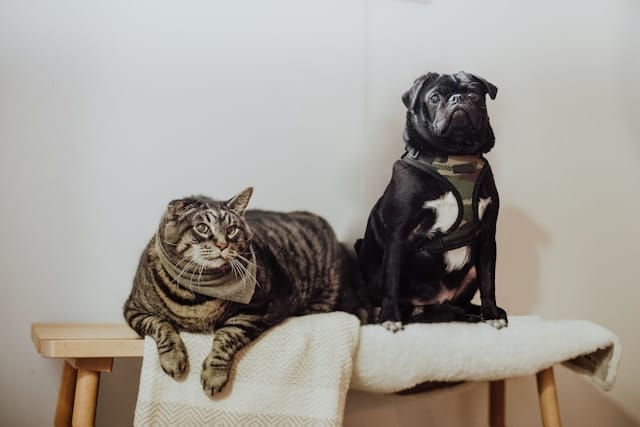
If you’ve spent any time on the internet, you’ve seen it’ that tiny, accidental tongue protrusion that makes both felines and canines look endearingly ridiculous. But blep cats dogs behavior isn’t just a social media trend. It’s a fascinating biological phenomenon that reveals surprising similarities in how our pets’ bodies work. Whether you’re a student studying animal behavior, a teacher looking for engaging examples, or a pet owner wondering why your companion can’t keep their tongue in their mouth, this guide breaks down the science, the differences, and what it all means.
Quick Answer
A “blep” occurs when a small portion of the tongue sticks out slightly past the lips, usually during relaxation or sleep. Both cats and dogs do it, though the mechanics and frequency differ between species. While generally harmless, understanding the context helps distinguish between a cute quirk and a potential health signal.
Table of Contents
What Is a Blep? Defining the Behavior
The term “blep” originated in online cat communities but has expanded to include our canine companions. Unlike a deliberate lick or a pant, a blep is:
- Involuntary: The pet isn’t actively trying to stick their tongue out
- Minimal: Only the tip or small portion protrudes
- Static: The tongue remains still, not moving in and out
- Temporary: Lasts seconds to minutes, not hours
The blep dog meaning extends beyond mere cuteness. It represents a specific neuromuscular state where the muscles controlling tongue retraction relax while the jaw remains slightly open. For cats, it often signals deep contentment. For dogs, it can indicate relaxation but may also relate to breed-specific anatomy.
The Biology Behind the Blep
The Muscular Hydrostat
Both feline and canine tongues are muscular hydrostats‘ organs that maintain constant volume while changing shape. This requires complex coordination between intrinsic muscles (controlling shape) and extrinsic muscles (controlling position).
When your pet enters deep relaxation:
- Motor neuron activity decreases in the hypoglossal nerve (cranial nerve XII)
- Jaw muscles relax, creating a slight gap between teeth
- Gravity pulls the tongue forward
- Surface tension and saliva help maintain the position temporarily
Species-Specific Anatomy
Table
| Feature | Cats | Dogs |
| Tongue texture | Covered in sharp, backward-facing papillae for grooming | Smoother with varied papillae types |
| Tongue-to-mouth ratio | Generally proportional | Often larger relative to jaw size |
| Frenulum attachment | Typically more restrictive | Variable by breed |
| Typical resting position | Curled back, tip touching hard palate | Flat against floor of mouth |
These anatomical differences explain why dog bleps often appear more pronounced than feline versions. Dogs generally have less precise tongue control due to their evolutionary focus on scent and consumption rather than the meticulous grooming that defines feline behavior.
Blep Cats Dogs: Key Differences
Frequency and Context
Cats blep most commonly during:
- Deep sleep or REM cycles
- Post-grooming relaxation
- Moments of intense focus (the “forgetting to put the tongue back” phenomenon)
Dogs blep during:
- Heavy relaxation after exercise
- Certain sleep positions
- Breed-specific anatomical predisposition (brachycephalic breeds)
The “Forgotten Tongue” Theory
Research into feline behavior suggests cats sometimes blep because their grooming routine gets interrupted. The tongue protrudes to groom, something distracts them, and the tongue stays out momentarily while their brain processes the new stimulus.
Dogs, however, rarely “forget” their tongues. Blep cats dogs comparisons show that canine blepping is almost purely physiological’ relaxed muscles allowing gravity to do its work’ rather than a cognitive oversight.
Social Signaling
Interestingly, neither species uses blepping as deliberate communication. Unlike tail wagging or purring, the blep carries no message to other animals. It’s simply a physical state, which makes it all the more endearing to human observers who anthropomorphize the behavior as “silly” or “cute.”
Why Do Some Pets Blep More Than Others?
Breed Predisposition in Dogs
Not all dogs are equal opportunity bleppers. The behavior clusters significantly in certain genetic lines:
Table
| Breed Category | Blep Frequency | Anatomical Reason |
| Brachycephalic (Pugs, Bulldogs, Shih Tzus) | High | Compressed skull, elongated soft palate, dental crowding |
| Toy breeds (Chihuahuas, Yorkies) | Moderate-High | Small oral cavity relative to tongue size |
| Giant breeds (Mastiffs, St. Bernards) | Moderate | Heavy jowls, loose lip conformation |
| Sighthounds (Greyhounds, Whippets) | Moderate | Long, narrow muzzles with large tongues |
| Working/Herding breeds (Shepherds, Collies) | Low | Balanced proportions, tight lip conformation |
Individual Variation in Cats
Among felines, blepping appears more randomly distributed but may correlate with:
- Age: Senior cats blep more due to muscle tone loss
- Dental health: Missing teeth create gaps that facilitate tongue protrusion
- Neurological conditions: Though rare, some blep more due to nerve function variations
When Blepping Is Normal
Understanding normal blep cats dogs behavior prevents unnecessary worry. Healthy blepping characteristics include:
- Brief duration: Usually under five minutes
- Relaxed context: During sleep, rest, or gentle petting
- Normal tongue appearance: Pink, moist, without swelling or discoloration
- Easy retraction: The tongue returns to mouth when the pet changes position or swallows
- No associated distress: No pawing at the mouth, whining, or difficulty eating
For a deeper exploration of why dogs specifically develop this habit, including behavioral triggers and neurological factors, read our companion article: Why Do Dogs Blep ?
When to Be Concerned
While most blepping is benign, certain patterns warrant veterinary attention:
Table
| Warning Sign | Possible Cause | Action Needed |
| Constant protrusion | Macroglossia (abnormally large tongue), nerve damage, jaw misalignment | Veterinary examination, possible imaging |
| Color changes (blue, purple, pale) | Circulation issues, oxygen deprivation | Emergency veterinary care |
| Blepping + drooling | Oral injury, foreign object, dental abscess, toxicity | Prompt veterinary evaluation |
| Sudden onset in adult pet | Stroke, trauma, toxin exposure | Immediate veterinary consultation |
| Accompanied by bad breath | Advanced dental disease, oral tumors | Dental examination and treatment |
| Difficulty eating/drinking | Tongue paralysis, neurological conditions | Neurological workup |
Species-Specific Concerns
For cats: Persistent blepping combined with weight loss may indicate oral pain from resorptive lesions, a common feline dental condition.
For dogs: Brachycephalic breeds that suddenly start blepping excessively may be compensating for worsening airway obstruction, requiring surgical evaluation.
Practical Tips for Pet Owners
1. Document the Pattern
Take photos or videos of your pet’s blepping episodes. Note:
- Time of day
- Activity level before the blep
- Duration
- How the blep ends (swallowing, repositioning, external stimulus)
This information helps veterinarians distinguish normal from pathological behavior.
2. Maintain Oral Health
Regular dental care prevents conditions that might cause abnormal tongue positioning. Brush your pet’s teeth, provide appropriate chews, and schedule professional cleanings as recommended.
3. Monitor Brachycephalic Breeds
If you own a flat-faced dog, understand that their dog bleps may relate to breathing difficulties. Keep them cool, avoid overexertion, and discuss surgical options if recommended by your vet.
4. Respect the Moment
Don’t pull on a blepping tongue or startle your pet. The behavior indicates relaxation, and interrupting it causes unnecessary stress.
5. Hydration Awareness
A protruded tongue dries quickly. Ensure fresh water is always available, especially if your pet is a frequent blepper.
FAQ
What’s the difference between a blep and a mlem?
A blep is static’ the tongue stays still. A mlem is active, involving licking motion. Bleps happen involuntarily during relaxation; mlems are deliberate grooming or tasting actions.
Can pets blep on command?
No. Since blepping results from muscle relaxation and gravity, it cannot be trained. You can create conditions that encourage it (calm environments, post-exercise rest), but you cannot reliably trigger it.
Do wild cats and dogs blep?
Observations suggest yes, though less frequently. Domestication has selected for neotenic (juvenile) traits, including relaxed facial muscles. Wild canids and felids maintain more tension for survival readiness.
Why does my pet only blep when sleeping?
During REM sleep, muscle atonia (paralysis) affects the tongue and jaw. This relaxation allows gravity to pull the tongue forward. It’s similar to how some humans sleep with mouths open.
Is excessive blepping a sign of intelligence?
There’s no correlation between blepping frequency and cognitive ability. It’s purely anatomical and physiological, not an indicator of brain function.
Should I moisturize my pet’s tongue if they blep often?
Generally no’ normal saliva production handles this. However, if you notice cracking or dryness, increase water availability and consult your vet about possible dehydration or salivary issues.
Conclusion
The phenomenon of blep cats dogs behavior offers a delightful window into the shared biology of our favorite companion animals. While the internet celebrates these moments for their comic value, understanding the muscular mechanics, species differences, and health implications transforms a simple “aww” moment into genuine pet care knowledge.
Whether you’re observing your cat’s post-nap tongue tip or your dog’s post-walk relaxation pose, remember that context matters. Most bleps are harmless indicators of contentment, but staying alert to changes in frequency or duration ensures you catch potential health issues early.
By appreciating both the science and the sweetness of the blep, we deepen our connection to the animals who share our lives’ one tiny tongue protrusion at a time.
Photo by Priscilla Du Preez 🇨🇦 on Unsplash
Zingi is a digital content creator and pet enthusiast with a passion for helping animal lovers make smarter, more informed decisions. With hands-on experience researching dog breeds, pet care routines, and tech products, Zingi writes guides that cut through the noise and focus on what actually matters for everyday pet owners and tech users.


