The Great Pyrenees, often affectionately referred to as the “gentle giant,” is a breed renowned for its calm demeanor, loyalty, and protective instincts. Originally bred to guard livestock in the Pyrenees Mountains, these majestic dogs have found their way into the hearts and homes of many as both cherished pets and devoted service animals. As more people seek assistance from service dog, the Great Pyrenee has emerged as a potential candidate for various roles, including emotional support and mobility assistance.
However, before deciding if a Great Pyrenee service dog is the right fit for you, it’s essential to understand their unique characteristics, training needs, and the challenges that may arise. This article will explore these aspects to help you make an informed decision about welcoming this gentle giant into your life.
Overview of the Great Pyrenees Breed
History and Origin
The Great Pyrenee, often affectionately referred to as “Pyrs,” boast a rich history that dates back over 6000 years to the mountainous regions of France and Spain. Originally bred to protect livestock from predators like wolves and bears, these dogs were the ultimate furry bodyguards long before they became the beloved companions we know today. Their noble stature and fluffy coats resemble walking clouds, making them a majestic sight in the mountains.
Physical Characteristics
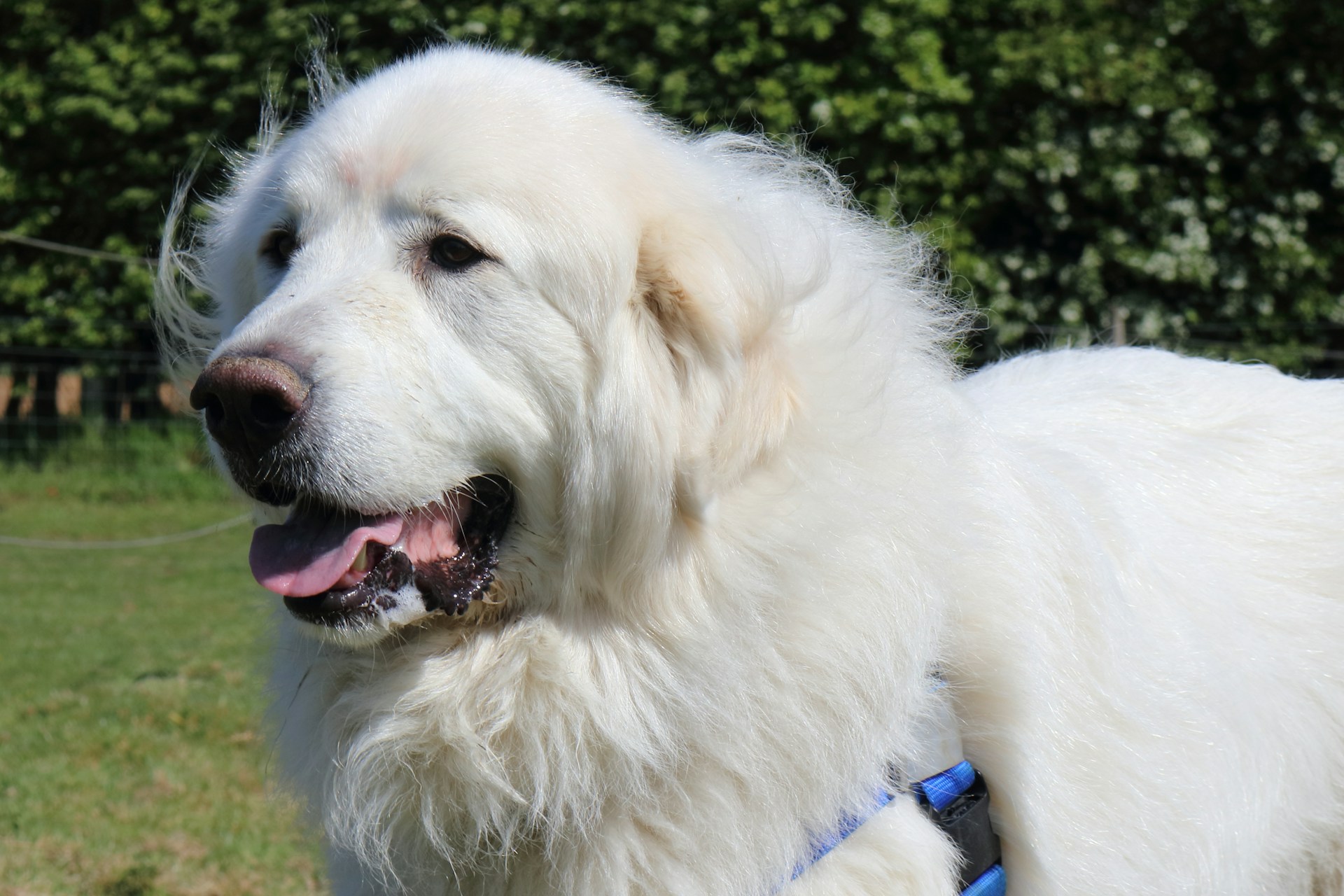
Standing tall at 25 to 32 inches and weighing between 85 to 115 pounds (the average human would be very intimidated), the Great Pyrenee is undeniably a gentle giant. Their thick, double coat is typically white, although some may have a splash of color here and there. This fur isn’t just for show; it keeps them warm in chilly mountain nights and cool in the heat of the day. Just think of them as a walking blanket who wouldn’t want that?
Temperament and Behavior
If you’re looking for a soft-hearted giant, the Great Pyrenees checks all the boxes. With a laid-back demeanor and a natural inclination towards calmness, these dogs are known for their gentle and loving nature. They’re not just massive couch potatoes, though; they have a protective streak and take their guardianship duties very seriously (cue the heroic music). While they may take their sweet time getting to know new friends, once they do, brace yourself for an avalanche of love.
Characteristics of a Great Pyrenee Service Dog
Gentle Nature and Patience
With a talent for being both a gentle giant and a patient listener, the Great Pyrenee makes an excellent service dog. Their calm presence can provide solace in stress-inducing situations, and their patience helps them thrive in various environments, whether they’re at a bustling market or just chilling in a quiet living room. They have an uncanny ability to sense when you need a soft nuzzle or a comforting paw on your knee.
Intelligence and Trainability
While they might not be the fastest learners in the room, Great Pyrenee are surprisingly intelligent. They have an independent streak that can make training a challenge (cue the “I can’t hear you” face), but with consistent, positive reinforcement, they can master essential commands and social skills. After all, teaching a Pyr is like herding cats frustrating but oh-so-rewarding when you finally succeed.
Protective Instincts
One of the standout features of the Great Pyrenee is their protective nature. They take their roles as guardians seriously, whether they’re watching over you at home or accompanying you in public. This instinct can be a double-edged sword, as they may bark at strangers or unusual situations, but it also means they have your back at all times. Just imagine having a furry sentinel by your side, ready to leap into action if the mailman dares to encroach on your territory.
Benefits of Choosing a Great Pyrenee as a Service Dog
Calm Demeanor in Various Situations
With their zen-like calmness, Great Pyrenee are often unfazed by the hustle and bustle of life. Whether you’re at a crowded event or just taking a stroll through the park, their easy-going temperament helps maintain a soothing atmosphere, providing comfort to their human companions. They’re the kind of dog that can turn a chaotic day into a blissful sanctuary just by being there.
Strong Bonding with Owners
Great Pyrenee are known for forming deep, meaningful bonds with their humans. They thrive on companionship and affection, making them feel like a family member rather than just a pet. When they’re not busy protecting or providing comfort, expect them to be your biggest cheerleader, ready to follow you everywhere (even into the bathroom). It’s a love affair like no other.
Versatility in Service Roles
The Great Pyrenee is not just a pretty face and a warm hug; they can excel in various service roles, from providing emotional support to assisting individuals with mobility challenges. Their vast size can even come in handy imagine a four-legged friend helping to steady you as you navigate tricky terrain. They can adapt to different environments and tasks, proving that these gentle giants can be as versatile as they are affectionate.
Potential Challenges and Considerations
Size and Space Requirements
Before welcoming a Great Pyrenee into your life, consider whether you have enough space for this massive cuddle buddy. Their size might look great on Instagram, but living with a Pyr requires room for them to stretch out (and take up half your bed). A home with a yard will be ideal, and if you live in an apartment, be prepared for lots of creative space management.
Grooming and Maintenance Needs
The fluffy coat of the Great Pyrenee may look glamorous, but it comes with a commitment. Regular grooming is essential to keep their fur looking fabulous and to minimize shedding. Think of it as a weekly rendezvous with a brush and some doggie spa time. And let’s not forget their love for mud if you think your dog will stay clean, you must have misunderstood the assignment.
Socialization Needs
While Great Pyrenees are affectionate, early socialization is critical to help them become well-rounded adults. They can be wary of strangers and other pets, so introducing them to various environments, people, and animals is crucial. his approach is especially important when comparing them with more socially outgoing breeds, such as the black golden retriever, which is often known for its ease around new people and settings. Think of it as sending your dog to charm school only with more drool and fur. The more socialized a Great Pyrenees is, the easier it’ll be for them to adapt in public spaces and shine as a service dog.
Training Requirements for Great Pyrenees Service Dog
Basic Obedience Training
Before jumping into the world of service dog training, your Great Pyrenees needs to master basic obedience. Think of this as the “doggy boot camp.” Commands like sit, stay, come, and heel aren’t just for impressing your friends at the park; they lay the groundwork for more advanced training. Consistency and positive reinforcement are key. This gentle giant can sometimes be as stubborn as a mule, so patience and treats go a long way.
Service-Specific Training Techniques
Once your pup has the basics down, it’s time to focus on service-specific skills. Depending on the tasks you need assistance with, training can range from retrieving objects to providing emotional support during anxiety attacks. Remember, every Great Pyrenees is unique; some may take to training like fish to water, while others might treat it like a casual stroll in the park. Customizing training techniques based on your dog’s personality will turn this giant into a service superstar.
Ongoing Training and Reinforcement
Just because your Great Pyrenees has mastered the art of being a service dog doesn’t mean the training stops. Continual reinforcement is crucial to maintain those skills and behaviors. Set aside time for regular practice sessions, and don’t forget to celebrate their successes with lots of praise (and maybe a snack). After all, who wouldn’t want to be the proud owner of a well-trained gentle giant?
Ideal Environments for Great Pyrenees Service Dog
Home Environment Considerations
When choosing to welcome a Great Pyrenees service dog into your life, consider whether your home is a good fit. These fluffy giants need space to breathe and thrive think of them as furry clouds that need ample room to float around. A house with a yard is ideal, but if you’re in an apartment, regular outdoor outings to stretch their legs will do the trick. Also, make sure your home is safe, as their curious nature might lead them to investigate every nook and cranny.
Social Interaction and Community Engagement
Great Pyrenees are social creatures at heart. They thrive when they can interact with family, friends, and community members. Engaging in activities such as group training sessions, dog-friendly cafes, or community events can keep your dog happy and well-socialized. Plus, it’s a perfect excuse for you to meet other dog lovers and swap stories about your adorable (and sometimes mischievous) gentle giant.
Suitable Living Conditions
These majestic dogs are well equipped for various living conditions, but there are some must-haves. A climate-controlled environment is essential, particularly since they have thick coats that might turn them into a fluffy furnace on hot days. Access to outdoor space where they can romp and play is a bonus. If you happen to have a doggy pool for them to splash in, consider yourself the luckiest dog parent around.

Success Stories: Great Pyrenees in Service Roles
Case Studies of Great Pyrenees Service Dog
Don’t just take our word for it; let’s dive into some heartwarming case studies. From assisting individuals with mobility challenges to providing companionship for anxiety sufferers, Great Pyrenees service dog have proven their mettle time and again. We’ve heard tales of these dogs expertly opening doors, retrieving medication, or simply providing a comforting presence during tough times. Their success in service roles is a testament to their intelligence and gentle nature.
Positive Impacts on Owners’ Lives
The ripple effect of a Great Pyrenees service dog on their owners’ lives is nothing short of magical. Many owners report increased independence, enhanced social interactions, and a general uplift in their emotional well-being. The furry presence of a Great Pyrenees can turn a lonely day into a pawsitive one. It’s not just about the tasks they perform; it’s about the bond and unconditional love they bring, making the world feel a little less overwhelming.
Community Recognition and Support
Great Pyrenees service dog have earned a special place in the hearts of communities. Their gentle nature often leads to local recognition for their contributions think of them as the canine celebrities of the service dog world. Many communities have embraced the presence of these dogs with support through events, training programs, and advocacy efforts, showing that good boys and girls can indeed make a big impact.
Making the Decision: Is a Great Pyrenees Right for You?
Assessing Your Lifestyle and Needs
Before rushing into adopting a Great Pyrenees service dog, take a moment to assess your lifestyle and needs. Do you have the time and energy to commit to training and exercising this gentle giant? Consider your living arrangements, activity levels, and any specific assistance you might require. A Great Pyrenees can provide support, but they also need plenty of love, attention, and room to roam.
Finding a Reputable Breeder or Rescue
Once you’re convinced a Great Pyrenees is the right fit, the next step is hunting down a reputable breeder or rescue. Look for organizations that prioritize health and temperament, ensuring that your pup comes from a good background. Don’t be afraid to ask questions, and consider meeting the dog and its parents if possible. After all, getting a service dog is a long-term commitment, and you’ll want to start on the right paw.
Preparing for Your New Service Dog
Congratulations on taking the leap. Now it’s time to prepare for your new fluffy companion. Stock up on supplies like a comfortable bed, food, toys, and all the training essentials. Familiarize yourself with service dog etiquette and legal rights to help navigate public spaces confidently. Remember, this is the beginning of a beautiful partnership your Great Pyrenees will be by your side through thick and thin (and maybe some drool).
In conclusion, the Great Pyrenees can be a wonderful choice for those in need of a service dog, thanks to their gentle nature, intelligence, and strong bond with their handlers. However, it’s crucial to consider your lifestyle, living situation, and the specific needs of this breed before making a commitment. By understanding both the benefits and challenges associated with Great Pyrenees service dog, you can ensure that you make the best decision for yourself and your future four-legged companion. With the right preparation and care, a Great Pyrenees can truly enhance your life and provide the support you need.
Frequently Asked Questions
1. Are Great Pyrenee suitable as service dog for individuals with disabilities?
Yes, Great Pyrenees can be suitable service dog for individuals with disabilities, particularly for those needing emotional support, mobility assistance, or companionship. Their calm demeanor and protective nature make them valuable partners in various situations.
2. How much training do Great Pyrenee require to become service dog?
Great Pyrenees require extensive training to become effective service dog, including basic obedience training and specialized service tasks. Consistent reinforcement and socialization are essential components of their training.
3. What are the grooming needs of a Great Pyrenee service dog?
Great Pyrenees have a thick double coat that requires regular grooming to prevent matting and reduce shedding. Weekly brushing and occasional baths are necessary to maintain their coat and overall hygiene.
4. Can a Great Pyrenee adapt to apartment living?
While Great Pyrenees are large dogs that typically thrive in spacious environments, they can adapt to apartment living if provided with sufficient daily exercise and mental stimulation. It’s important to ensure they have enough space to move and feel comfortable.
Photo by Ethan Hasenfratz on Unsplash
Photo by Bruce Williamson on Unsplash
Zingi is a digital content creator and pet enthusiast with a passion for helping animal lovers make smarter, more informed decisions. With hands-on experience researching dog breeds, pet care routines, and tech products, Zingi writes guides that cut through the noise and focus on what actually matters for everyday pet owners and tech users.