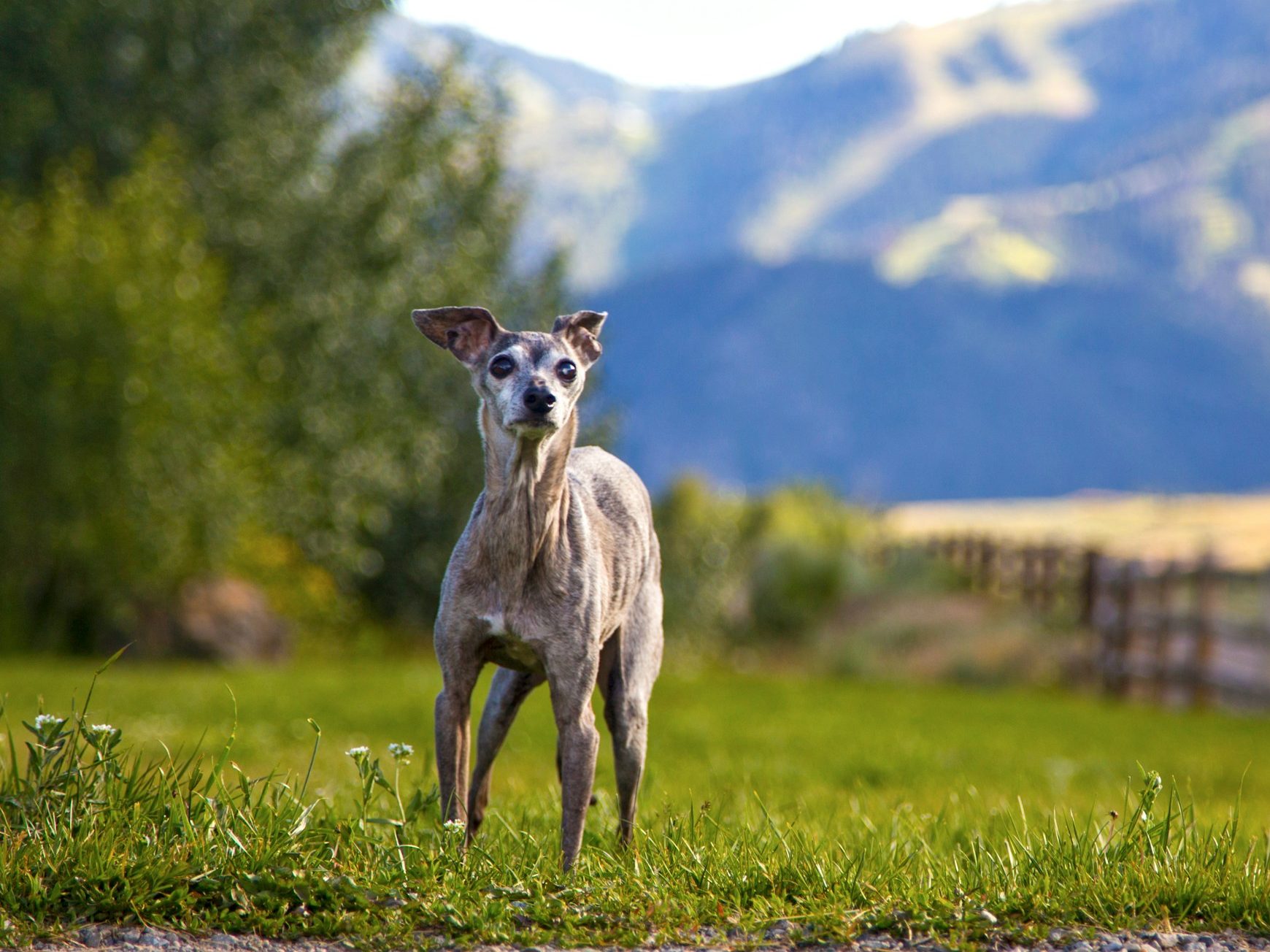
Italian Greyhounds are small, graceful dogs known for their elegant appearance, affectionate nature, and quiet charm. Often described as miniature versions of the Greyhound, they combine athletic ability with a deep love for comfort and companionship. Despite their delicate look, Greyhounds have a rich history, a playful personality, and a strong bond with their owners.
This guide explores everything you need to know about Greyhounds, from temperament and care to health, training, and whether they are the right fit for your lifestyle.
Understanding Greyhounds
Greyhounds are one of the oldest dog breeds, admired for centuries for their refined beauty and loyal nature. They are classified as a toy breed but retain the speed and agility of sighthounds.
Unlike many small dogs, Greyhounds are calm, sensitive, and deeply people-oriented. They thrive on companionship and prefer being close to their humans rather than acting independently.
Greyhounds Temperament and Personality
Gentle and Affectionate by Nature
Greyhounds are incredibly loving. They often form a strong attachment to one person but remain affectionate toward the entire household. Many owners describe them as “velcro dogs” because they love staying close.
Quiet and Emotionally Sensitive
Greyhounds are naturally quiet dogs and are not known for excessive barking. They are emotionally intuitive and tend to pick up quickly on the moods and energy of their surroundings. Calm, positive environments help them feel secure and confident. Harsh training methods, raised voices, or noisy households can easily make them anxious or withdrawn. Because of their sensitivity, Greyhounds thrive with gentle communication, consistent routines, and patient handling that builds trust rather than fear.
Playful Yet Relaxed
Greyhounds have a balanced personality that combines playful energy with a strong love for relaxation. They enjoy short bursts of play and quick sprints that allow them to stretch their legs and release energy. After these active moments, they are content to spend long periods lounging indoors, often seeking soft, warm places to rest. Italian Greyhounds are happiest when they can safely run in controlled spaces and then return to a calm, comfortable environment where they can unwind beside their owners.
Greyhounds Size and Physical Traits
Greyhounds have a slim, athletic build with long legs and a narrow chest. Their appearance reflects speed and elegance rather than bulk.
- Height: Small and delicate
- Weight: Lightweight and slender
- Coat: Short, smooth, and low-shedding
Their thin coat makes them sensitive to cold weather, which is an important consideration for owners.
Living With Italian Greyhounds
Ideal Home Environment
Greyhounds adapt well to apartments and small homes as long as they receive daily exercise and mental stimulation. They are indoor-oriented dogs that prefer warm, cozy spaces and are often found resting on blankets, sofas, or curled up in a lap. Because of their strong attachment to people, Italian Greyhounds do best in homes where someone is present for most of the day. Extended periods of loneliness can lead to separation anxiety, so a calm, attentive household suits them best.
Compatibility With Families
Italian Greyhounds are affectionate and gentle companions for adults and older children who understand the importance of calm, careful handling. Their delicate bones make them less suitable for homes with very young children who may play roughly without realizing it. In family settings, they thrive in quiet, respectful environments. Greyhounds can live peacefully with other dogs, particularly calm or similar-sized breeds, but supervision is important around larger or overly energetic animals to prevent accidental injuries.
Exercise Needs of Greyhounds
Despite their calm and relaxed behavior indoors, Italian Greyhounds still require regular exercise to stay healthy and balanced. They benefit from daily walks that provide routine and mental stimulation, along with occasional opportunities to run freely in safe, enclosed areas. While they enjoy short bursts of speed, they do not need long or intense workouts and can become tired quickly. Consistent, moderate exercise helps maintain muscle tone, supports joint health, and prevents restlessness, ensuring Greyhounds remain both physically fit and emotionally content.
Daily Activity
Daily activity is essential for Greyhounds, even though they are calm indoors. Short walks help maintain routine and mental balance, while safe, off-leash sprinting in enclosed areas allows them to release energy naturally. Greyhounds love running and can reach impressive speeds, but they tire quickly and do not require long exercise sessions. A few short bursts of activity each day are usually enough. Balancing gentle walks with controlled running keeps them fit, content, and relaxed at home.
Mental Stimulation
Mental stimulation is just as important as physical exercise for Greyhounds. Puzzle toys, gentle training sessions, and interactive play help keep their minds engaged and prevent boredom. Without enough mental activity, Greyhounds may develop unwanted behaviors such as chewing, digging, or restlessness. Short, varied activities throughout the day work better than long, repetitive sessions. Teaching simple commands, introducing new toys, or playing calm games indoors can provide healthy stimulation while strengthening the bond between dog and owner.
Training Greyhounds Effectively
Positive Reinforcement Works Best
Greyhounds respond poorly to punishment and harsh training methods, as they are sensitive and emotionally aware dogs. Negative approaches can cause fear, anxiety, and loss of trust. Training is most effective when it relies on positive reinforcement, such as treats, praise, and gentle encouragement. Consistency and patience help them understand expectations without stress. Short, calm training sessions work better than long or intense ones, keeping learning enjoyable. When trained with kindness and clear guidance, Italian Greyhounds become responsive, confident, and eager to please.
House Training Challenges
House training Greyhounds can take time and patience. Their sensitivity to cold weather and dislike of rain or wet ground can make them reluctant to go outside, especially during early training. This hesitation may slow progress if not managed carefully. Establishing a consistent routine, using positive reinforcement, and offering frequent bathroom breaks can make training easier. In colder or rainy climates, indoor potty solutions such as pads or designated areas can be helpful. With consistency and understanding, most Greyhounds learn good house habits over time.
Socialization Is Essential
Early socialization plays a vital role in helping Greyhounds grow into confident, well-adjusted adults. Introducing them to different people, environments, sounds, and gentle animals at a young age helps reduce fear and anxiety later in life. Calm, positive experiences build trust and encourage relaxed behavior in new situations. Because Greyhounds can be sensitive by nature, gradual exposure works better than overwhelming encounters. Regular walks, controlled interactions with other dogs, and positive reinforcement during new experiences all support healthy emotional development and help Greyhounds adapt comfortably to everyday life.
Grooming and Maintenance
Italian Greyhounds are low-maintenance when it comes to grooming.
- Brushing: Minimal, once a week
- Bathing: Only when needed
- Shedding: Very low
However, dental care is crucial. Greyhounds are prone to dental issues, so regular tooth brushing and vet checkups are important.
Health Considerations for Greyhounds
Greyhounds are generally healthy dogs, but they do have a few breed-specific health concerns that owners should be aware of. Their slender build and fine bones make them more prone to leg fractures and injuries, especially during puppyhood or rough play. Dental issues are also common, so regular teeth cleaning and veterinary checkups are essential. Due to their thin coat and low body fat, Italian Greyhounds can be sensitive to cold weather and anesthesia. With proper care, gentle handling, and routine vet visits, most Greyhounds live long, healthy, and comfortable lives.
Common Health Issues
- Fragile bones and leg injuries
- Dental disease
- Sensitivity to anesthesia
- Skin injuries due to thin coat
Regular veterinary visits, proper nutrition, and safe environments reduce health risks significantly.
Feeding Greyhounds
Greyhounds benefit from a high-quality, balanced diet that supports their lean build and active metabolism. Protein-rich food helps maintain muscle tone, while healthy fats provide sustained energy without unnecessary weight gain. Because Greyhounds have sensitive digestion, easily digestible ingredients are important. Feeding smaller, well-timed meals can help reduce the risk of bloating and keep energy levels stable throughout the day. Fresh water should always be available, and treats should be given in moderation. A consistent feeding routine, combined with advice from a veterinarian, helps ensure Greyhounds stay healthy, active, and comfortable at every stage of life.
Nutrition Tips
- Small, frequent meals
- Protein-rich food
- Avoid overfeeding
Because of their fast metabolism, maintaining a healthy weight is essential for bone and joint health.
Greyhounds and Cold Weather
Greyhounds are highly sensitive to cold temperatures.
Cold-Weather Care
- Use sweaters or jackets
- Limit outdoor exposure in winter
- Provide warm sleeping areas
Comfort plays a major role in their happiness.
Are Greyhounds Good for First-Time Owners?
Greyhounds can be a good choice for first-time owners who are patient, gentle, and willing to learn their dog’s needs. They are calm, affectionate, and generally easygoing, which makes daily care manageable for beginners. However, they are not ideal for people looking for highly independent or rugged dogs, as Greyhounds are emotionally sensitive and thrive on routine and reassurance. They do best with owners who value a strong emotional connection, prefer a quieter home environment, and are comfortable with indoor living. With the right expectations and care, Greyhounds can make loyal and rewarding companions for new dog owners. Greyhounds vs Other Small Breeds
Compared to other toy breeds, Greyhounds are:
- Quieter
- More sensitive
- Less demanding in grooming
- More dependent emotionally
They stand out for their elegance and emotional depth rather than boldness or alertness.
Long-Term Commitment and Lifestyle Fit
Greyhounds often live long, healthy lives when properly cared for. Adopting one means committing to warmth, patience, and companionship.
They reward attentive owners with loyalty, affection, and gentle charm that few breeds can match.
Final Thoughts on Greyhounds
Greyhounds are graceful, loving companions that thrive in calm, attentive homes. Their unique blend of elegance, sensitivity, and affection makes them special among small dog breeds. While they require gentle handling and emotional care, they give back deep loyalty and companionship. If you’re looking for a refined, affectionate dog that fits well into modern living, Greyhounds may be the perfect match.
Photo by Brian Gerry on Unsplash

Zingi is a digital content creator and pet enthusiast with a passion for helping animal lovers make smarter, more informed decisions. With hands-on experience researching dog breeds, pet care routines, and tech products, Zingi writes guides that cut through the noise and focus on what actually matters for everyday pet owners and tech users.