Introduction
Blue lotus has gained renewed attention in recent years due to its calming, mildly euphoric properties and its growing popularity in teas, extracts, and even vapes. But many people still ask a basic question: what is blue lotus? Historically revered in ancient civilizations and now embraced by modern wellness enthusiasts, this lotus sits at the crossroads of tradition, relaxation, and curiosity-driven use. This article explores what blue lotus is, where it comes from, how it is used today, and how it compares to pink lotus. We will also discuss lotus effects, smoking lotus effects, and how long blue lotus effects last, while keeping a balanced and informational tone.
What Is Blue Lotus?
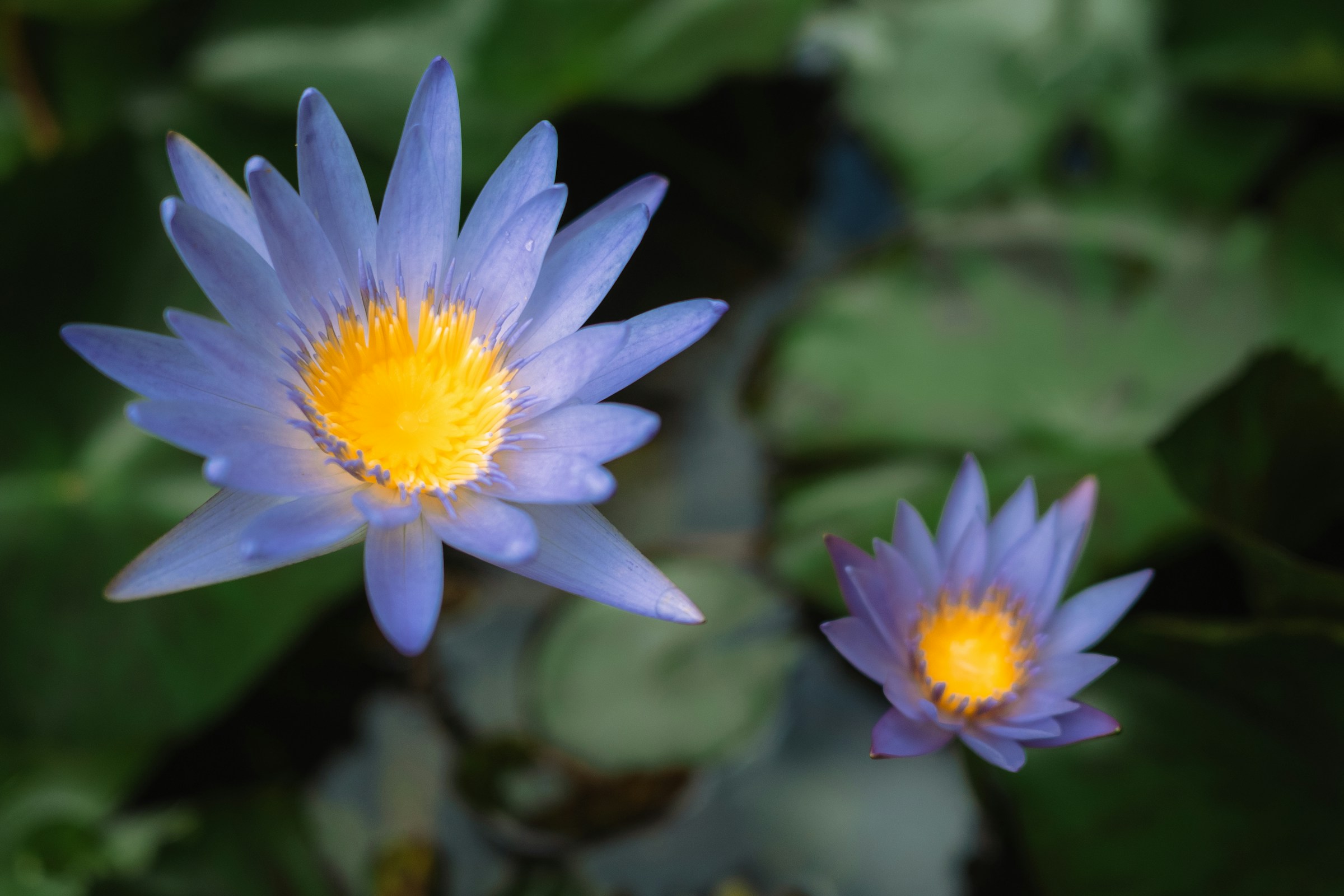
To understand what is blue lotus, we must look at its botanical and historical roots. This lotus, scientifically known as Nymphaea caerulea, is a water lily native to parts of Africa, especially Egypt. Despite often being called a lotus, it is technically a water lily rather than a true lotus plant. In ancient Egypt, this lotus was associated with spirituality, relaxation, and ceremo nial rituals. Artifacts and wall carvings frequently depict the flower being held, inhaled, or infused into drinks. This historical context helps explain why lotus is still associated with calmness, introspection, and subtle mood enhancement.
Historical and Cultural Significance
Blue lotus was deeply embedded in Egyptian culture, often symbolizing rebirth and divine connection. It was commonly used in religious ceremonies and social gatherings. Some historians believe it was infused into wine to enhance relaxation during rituals. The plant later spread to other regions, where it became part of traditional herbal practices. Today, the renewed interest in ancient wellness traditions has brought blue lotus back into the spotlight.
Lotus Extract
Blue lotus extract is a concentrated form derived from the petals of the flower. This extract is commonly used for its relaxing and mood-supporting properties. It is typically prepared using alcohol or glycerin to draw out the active compounds. Many users prefer blue lotus extract because it allows precise dosing and faster ab sorption compared to teas. It is often added to drinks or taken directly in small amounts. While not considered a pharmaceutical substance, it is valued in herbal circles for its gentle effects.
Lotus Shelton
The term blue lotus shelton often appears in discussions related to traditional herbal references. Shelton-style herbal documentation emphasizes natural usage, minimal pro cessing, and respect for plant-based remedies. In this context, This is described as a calming botanical rather than a stimulant or sedative. Although not a standardized scientific classification, This shelton references gen erally focus on whole-plant use and historical herbal traditions rather than modern syn thetic interpretations.
Lotus Tea
This tea is one of the most traditional and widely used forms of consumption. The dried petals are steeped in hot water, producing a mildly floral aroma and subtle taste. This tea is commonly consumed in the evening due to its relaxing nature. Users often report a gentle calming sensation, making it popular among those seeking a natural way to unwind. Unlike strong herbal sedatives, This tea is known for its mild and balanced profile. Many people explore calming rituals like blue lotus tea as part of a relaxed home routine, often shared with companion pets such as dogs who naturally respond to peaceful environments.
Lotus Vape
In recent years, blue lotus vape products have entered the market. These products typically use blue lotus extract infused into vape liquids. Vaping allows faster onset of effects compared to tea or oral extracts. However, vaping any botanical substance raises questions about safety and long-term effects. While some users report immediate relaxation, it is important to approach blue lotus vape products cautiously and choose reputable sources.
Lotus Effects
Understanding this lotus effects is key for anyone exploring this plant. The effects are often described as subtle rather than intense. Commonly reported effects include:
- Mild relaxation
- Enhanced mood
- Light sense of euphoria
- Increased introspection
These effects are generally short-lived and depend on the method of consumption, dosage, and individual sensitivity.
Smoking This Lotus Effects
Smoking blue lotus effects differ slightly from drinking tea or using extracts. When smoked, blue lotus may produce faster but shorter-lasting effects. Some users describe a light head change or calming sensation. Because smoking involves combustion, it may alter the chemical composition of the plant. As a result, smoking blue lotus effects are often considered less predictable than other methods.
Lotus Effects When Smoked
Closely related to smoking this lotus effects, blue lotus effects when smoked typically include quicker onset and a more noticeable but brief relaxation. The experience varies significantly between individuals. It is worth noting that smoking any plant material carries inherent risks. Many herbal practitioners recommend teas or extracts instead of smoking.
How Long Does Blue Lotus Effects Last
In most cases:
- Tea effects may last 1 to 2 hours
- Extract effects may last up to 2 hours
- Smoked or vaped effects may last 30 to 60 minutes
- The duration depends on dosage, method, and personal tolerance.
- Blue lotus is generally known for its short and gentle effect profile.
Pink Lotus vs Blue Effects
When comparing pink lotus vs blue effects, the main difference lies in inten sity and traditional usage. Pink lotus, often associated with Nelumbo nucifera, is more symbolic in spiritual traditions and less commonly used for relaxation. Lotus is more frequently linked with mild psychoactive and calming effects, while pink lotus is often associated with meditation, symbolism, and non-intoxicating uses.
Pink Lotus vs Blue
The broader comparison of pink vs blue includes botanical, cultural, and practical differences. Pink lotus is considered sacred in many Asian cultures and is primarily symbolic. Blue one lotus, on the other hand, has a more documented history of experiential use. In modern wellness discussions, this is more commonly referenced for teas, extracts, and relaxation-focused products.
Conclusion
Now that we have explored what is blue lotus, its uses, effects, and comparisons, it becomes clear why this ancient flower continues to attract interest. From blue lotus tea to lotus extract and even modern vape forms, its appeal lies in subtle relaxation rather than overpowering effects. Understanding lotus effects, smoking blue lotus effects, and how long blue lo tus effects last helps users make informed decisions. When compared thoughtfully with pink lotus and blue stands out for its unique blend of history, tradition, and gentle experiential qualities.